May 29, 2025
Delhi to Jaipur Road Trip: Route, Stops, Itinerary and Luxury Resort Stay
A road journey from Delhi to Jaipur connects two historically important capitals while taking travellers from the modern landscape of Delhi-NCR towards Rajasthan’s forts, hills, markets and royal architecture. It can work well as a short family holiday, a couple’s escape or a long-weekend journey, provided the route and schedule are planned realistically.
The road distance generally falls between approximately 270 and 310 kilometres, depending on your starting point in Delhi, the selected highway and your final destination in Jaipur. Driving time can also vary significantly because of traffic around Delhi, Gurugram and Jaipur, roadworks, weather and rest stops.
Instead of treating the journey as a race, travellers should allow enough time for breakfast, fuel and safe breaks. The holiday can then end with a relaxed stay at Lohagarh Fort Resort, where accommodation, dining and resort experiences provide a welcome change from a busy highway journey.
Delhi to Jaipur Road Trip: Essential Information
The established road route between Delhi and Jaipur is National Highway 48. A typical journey follows Delhi, Gurugram, Manesar, Dharuhera, Behror, Kotputli, Shahpura and Jaipur.
The exact distance cannot be represented by one universal number. A person starting from South Delhi or Gurugram will travel a different distance from someone beginning in Noida, East Delhi or North Delhi. Similarly, a resort outside Jaipur’s central area may require a different approach than a hotel in the walled city.
Travellers should generally keep the following estimates in mind:
| Travel detail | Practical estimate |
|---|---|
| Approximate road distance | 270–310 kilometres |
| Driving time without an extended stop | Around 5–7 hours |
| Journey with meals and comfortable breaks | Around 7–9 hours |
| Most established route | NH 48 |
| Recommended departure | Early morning |
| Best season for comfortable driving | October to March |
These are planning estimates rather than guaranteed journey times. Check live navigation, traffic, weather, toll information and road advisories immediately before departure.
Which Is the Best Route from Delhi to Jaipur?
Route 1: Delhi–Gurugram–Jaipur via NH 48
NH 48 remains the most familiar route for a Delhi to Jaipur road trip. It passes through Gurugram and Manesar before continuing towards Dharuhera, Behror, Kotputli, Shahpura and Jaipur.
This route is useful for travellers who prefer an established highway with regular access to fuel stations, restaurants and rest facilities. However, congestion can develop around Delhi-NCR, commercial areas, toll points and construction zones. Heavy-vehicle movement may also affect the average speed.
Families should avoid calculating the travel time only by dividing the distance by the highway speed. Entry and exit traffic, meal breaks and local roads near the final destination can add considerable time.
Route 2: Delhi–Mumbai Expressway and Jaipur Connector
Another option uses the Delhi–Mumbai Expressway towards the Bandikui side and the newer connector leading towards Jaipur. This access-controlled route may be convenient for some starting locations, but it may not be the best choice for every traveller.
The total distance, toll cost, entry point and final approach depend on where the journey starts and where the traveller needs to reach in Jaipur. Expressway access and traffic arrangements can also change.
Compare both routes on a reliable live-navigation application on the morning of departure. Do not select an expressway route only because an old article promises a fixed three-hour journey.
What Is the Best Time to Leave Delhi?
For most travellers, an early-morning departure is the most practical. Leaving between approximately 5:00 and 6:30 a.m. can help reduce exposure to peak traffic within Delhi and Gurugram, although conditions are never guaranteed.
Early departure also allows families to take a proper breakfast break and reach Jaipur with enough time to check in and rest. Travelling later in the morning may lead to increased city traffic and stronger afternoon heat, particularly during summer.
Before leaving, drivers should check:
 Tyre pressure and spare tyre condition
- Fuel or charging requirements
- FASTag balance
- Vehicle documents and insurance
- Coolant and engine-oil levels
- Live traffic and weather
- Drinking water and essential medicines
- Emergency contact and roadside-assistance information
The driver should be properly rested. If fatigue develops during the journey, stop at a safe and established facility instead of attempting to maintain an unrealistic arrival time.
Where Can Travellers Stop Between Delhi and Jaipur?
A useful stop should provide clean washrooms, safe parking and suitable refreshments. Large fuel stations and established highway restaurants are generally better choices than isolated roadside points.
Manesar or Dharuhera
Travellers who leave Delhi very early can consider the Manesar or Dharuhera area for breakfast. However, this may be too early for people beginning their journey from Gurugram. The stop should be selected according to the starting location rather than copied from a fixed itinerary.
Neemrana or Behror
Neemrana and Behror are convenient mid-route areas for food, fuel and rest. Travellers interested in adding sightseeing around Neemrana should allow extra time and verify entry conditions, timings and parking directly with the selected attraction.
A sightseeing stop can significantly extend the journey, so it is better suited to a relaxed itinerary than a two-day weekend plan.
Kotputli or Shahpura
Kotputli and Shahpura can provide another opportunity for a short rest before approaching Jaipur. A 15–20-minute break may help the driver remain attentive during the final part of the journey.
Avoid stopping repeatedly without a reason. One proper meal break and one short rest stop are usually more efficient than several unplanned pauses.
Is Jaipur Suitable for a Weekend Road Trip from Delhi?
Jaipur is a practical road-trip destination because it combines historic monuments, traditional markets, museums, food and resort stays. However, a two-day holiday is not enough to explore everything properly.
A successful weekend trip from Delhi to Jaipur should focus on selected experiences. Attempting to visit Amer Palace, Jaigarh Fort, Nahargarh Fort, City Palace, Jantar Mantar, Hawa Mahal and multiple markets in one day will make the journey exhausting.
Rajasthan Tourism identifies Amer Palace as a major example of Rajasthani architecture, with separate courtyards and attractions such as Diwan-e-Aam and Sheesh Mahal. Jantar Mantar is a UNESCO World Heritage Site containing historic astronomical instruments, while Hawa Mahal is Jaipur’s well-known five-storey landmark with its distinctive jharokhas. Visitors should select two or three principal attractions instead of rushing through all of them.
A Practical Three-Day Road Trip Itinerary
Day 1: Delhi to Jaipur and Resort Check-In
Leave Delhi early and use NH 48 or the currently suitable expressway route according to live navigation. Stop for breakfast around Manesar, Dharuhera, Neemrana or Behror, depending on your progress.
Continue towards Jaipur and take another short break if required. After reaching Lohagarh Fort Resort, check in and keep the remainder of the day relaxed.
Explore the resort, spend time with family and allow the driver to recover. Avoid adding a tightly scheduled city tour immediately after a long journey.
Day 2: Explore Jaipur’s Heritage
Start early and select attractions according to location and interest. One practical combination can include Amer Palace, a view of Jal Mahal and selected attractions inside Jaipur’s historic centre.
Rajasthan Tourism states that Amer Palace is approximately 11 kilometres from Jaipur’s main city and contains four principal sections with their own courtyards. Jal Mahal stands in Man Sagar Lake and is admired mainly from the lakeside because the palace itself is not a conventional walk-in sightseeing attraction.
Travellers interested in astronomy and architecture can include Jantar Mantar. Those more interested in local shopping can reserve time for established markets, but parking and city traffic should be considered.
Return to the resort before the day becomes unnecessarily tiring.
Day 3: Relaxed Morning and Return to Delhi
Do not begin the final day with an overloaded sightseeing plan. Enjoy breakfast, spend some time at the resort and complete check-out formalities without rushing.
Start the return journey early enough to reach Delhi before late-night fatigue becomes a concern. Traffic can increase near Gurugram and Delhi, particularly around peak hours, so live navigation should guide the departure time.
This itinerary gives the holiday an appropriate balance between driving, sightseeing and relaxation.
Lohagarh Fort Resort: A Luxury Resort in Jaipur for the End of Your Road Trip
After several hours on the highway, travellers generally need more than a room for the night. They need comfortable accommodation, open surroundings and enough time to recover before exploring the city.
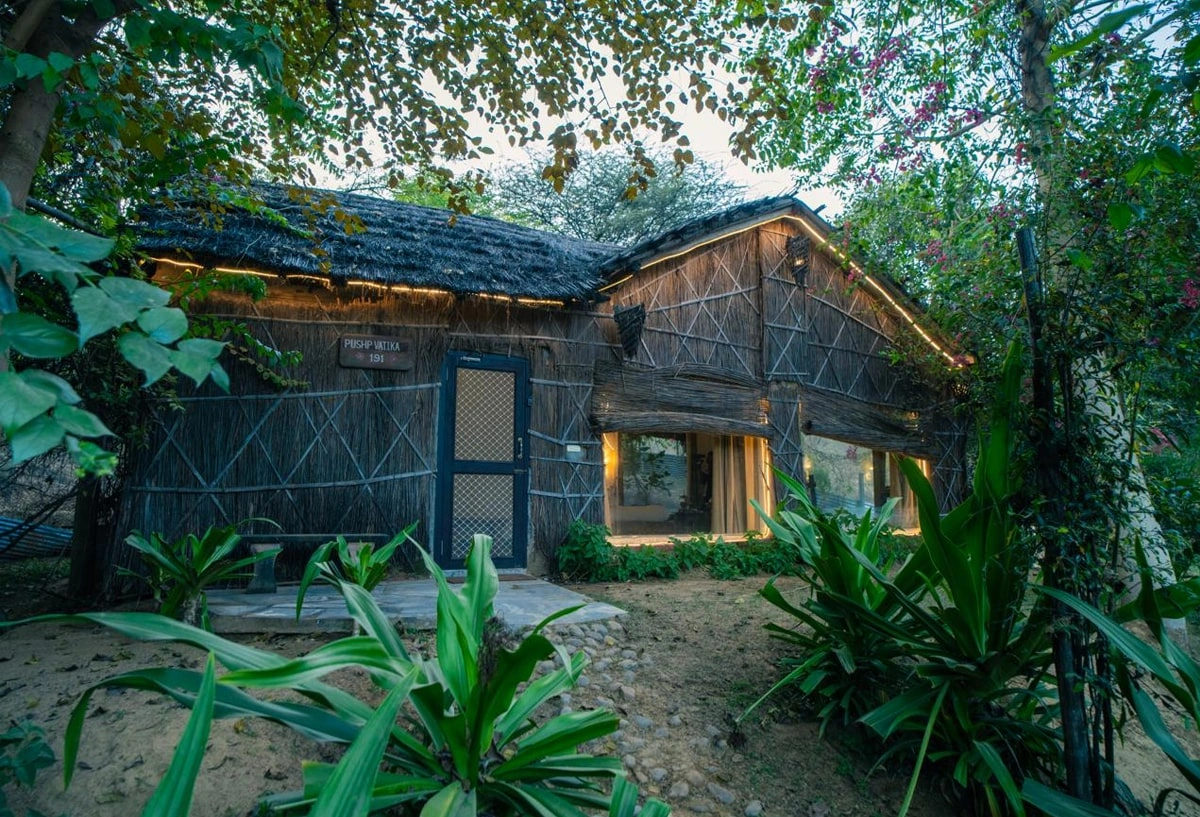
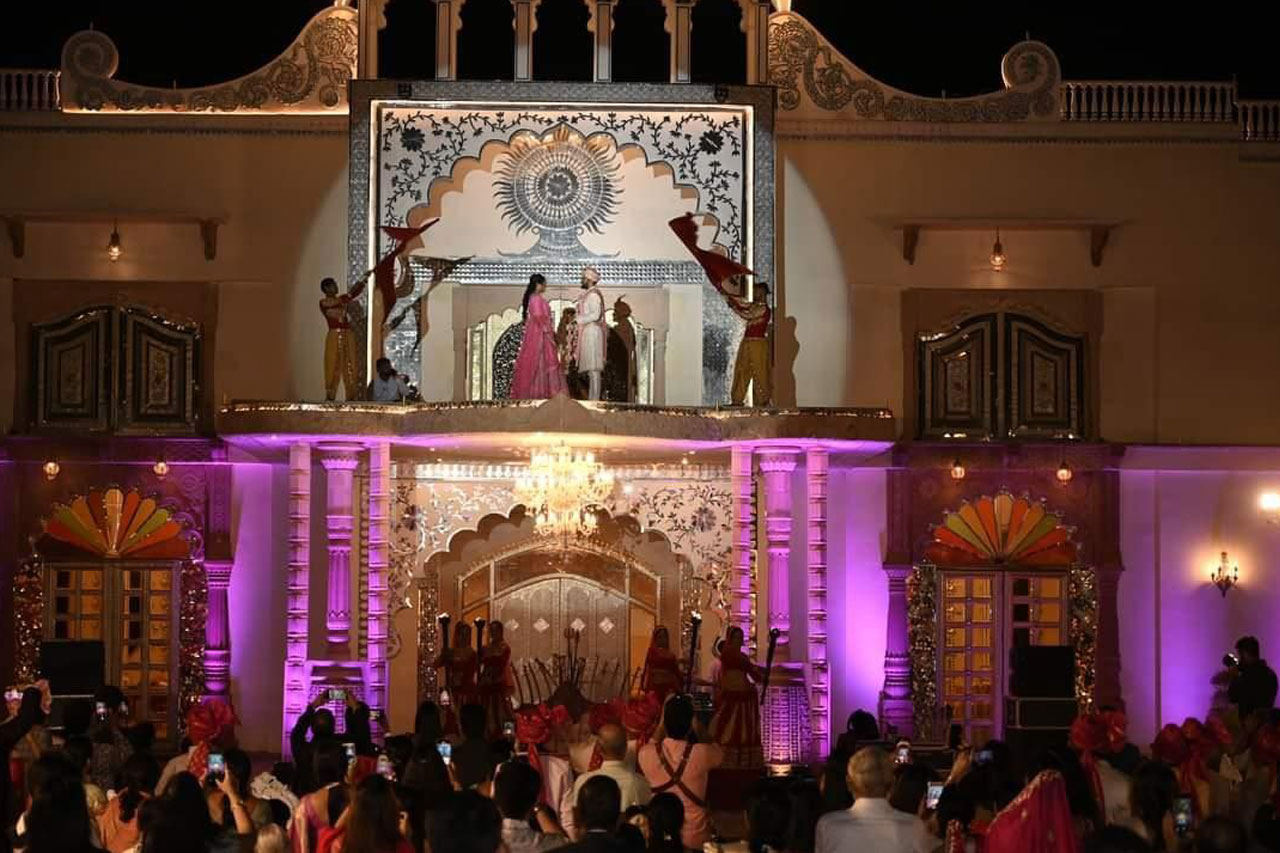
Lohagarh Fort Resort offers a resort-based experience for families, couples and groups travelling to Jaipur. Its heritage-inspired architecture and large campus create an atmosphere that feels different from a conventional city hotel.
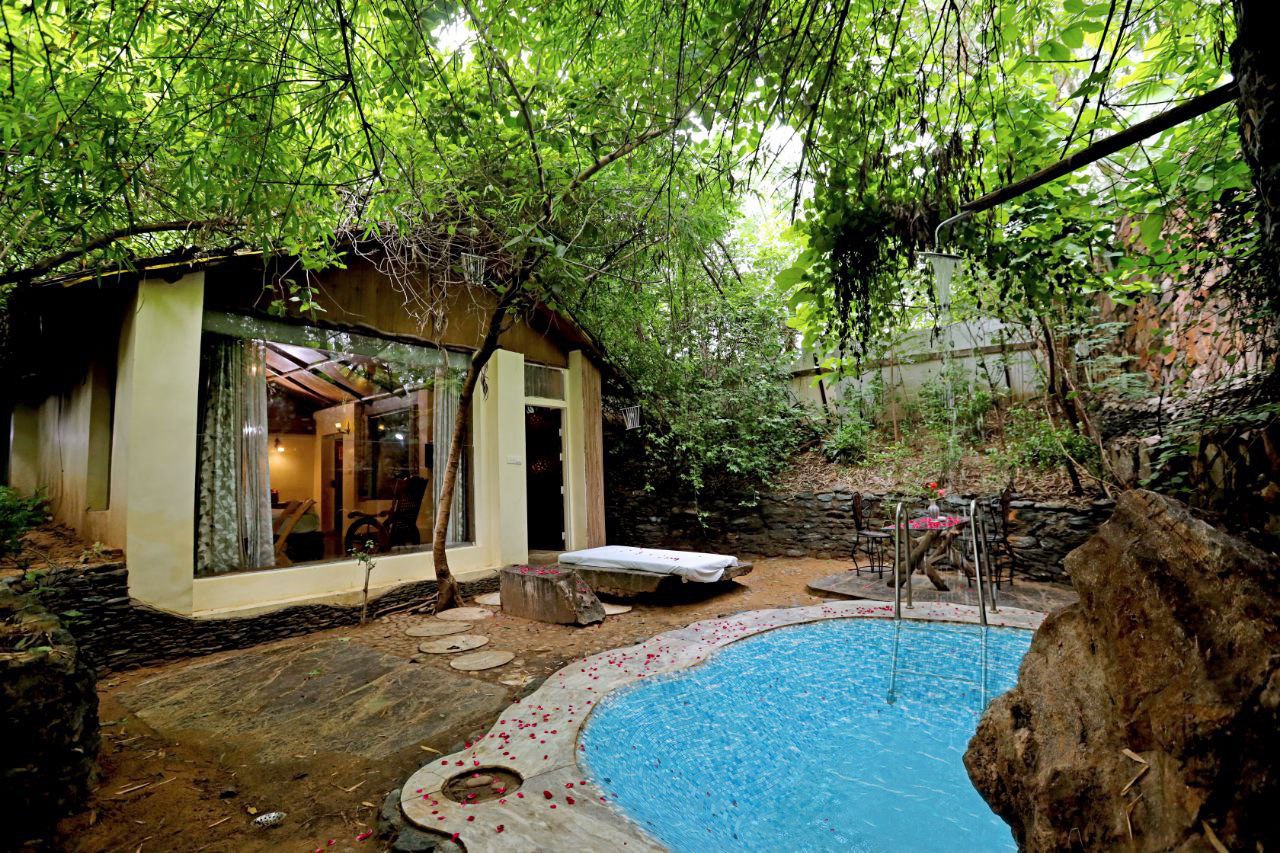
As a Luxury Resort in Jaipur, the property offers varied accommodation experiences, including cottages, luxury tents, suites, theme-based stays and selected categories with a Jacuzzi, mini pool or private pool. Travellers should check the exact features of an individual room category before booking because amenities are not identical across every accommodation type.
The resort also lists activities such as archery, badminton, carrom, table tennis, billiards, cycling, horse riding, camel riding, a kids’ play area and seasonal experiences. Activity availability may depend on timing, weather, maintenance and operational conditions, so guests should confirm their preferred experiences with the resort.
Why a Resort Stay Works Better Than a Rushed City Stop
A road trip already involves several hours of sitting, navigation and traffic. Booking accommodation only to arrive late, sleep and leave early may not create a satisfying weekend experience.
A resort stay allows travellers to slow down after the drive. Families can spend time together without immediately returning to city traffic. Children can have access to selected recreational activities, while couples may prefer a quieter schedule and distinctive accommodation.
This does not mean travellers should avoid Jaipur’s monuments. The better approach is to divide the holiday between the city and the resort. A focused sightseeing day can be combined with a relaxed arrival evening and an unhurried final morning.
Choosing the Right Room for the Journey
Different road travellers need different accommodation arrangements. Couples may prefer a cottage, themed suite or private-pool category, while families should prioritise practical sleeping arrangements, privacy and proximity.
Before confirming a room, ask the resort about:
- Maximum permitted occupancy
- Extra-bed arrangements
- Pool or Jacuzzi features
- Meal-plan inclusions
- Check-in and check-out times
- Activity schedules
- Accessibility for senior citizens
- Child-related policies
- Cancellation and modification conditions
Reviewing these details helps prevent expectations created from photographs of a room category that was not actually booked.
Is Lohagarh Fort Resort Suitable for Couples Driving from Delhi?
Couples can combine the journey with heritage sightseeing, resort relaxation and time away from a crowded city schedule. The property’s different accommodation styles and heritage-inspired surroundings can make it suitable for anniversaries, short breaks and leisure stays.
However, couples should confirm any special arrangement—such as decoration, private dining or celebration inclusions—before booking. These services should not be assumed to be automatically included with every reservation.
A good romantic itinerary does not require continuous activities. An early drive, selected sightseeing and sufficient time to enjoy the resort can create a more comfortable experience.
Is the Resort Suitable for a Family Road Trip?
A family road trip should provide something for children, parents and senior travellers. Lohagarh Fort Resort’s varied accommodation and recreational options can support a multigenerational stay, but families should build enough rest into the itinerary.
Children should not be expected to remain interested during an entire day of monument visits, and senior citizens may not be comfortable with repeated stairs or long walks. Combining one focused sightseeing session with resort time creates a more balanced holiday.
Parents should verify current activity availability, meal options and room occupancy before travelling.
Best Season for a Delhi to Jaipur Drive
October to March generally provides the most comfortable weather for sightseeing and outdoor resort experiences. These months are also popular, so room rates and availability may change around weekends, festivals and wedding dates.
April to June can be extremely hot. Summer travellers should avoid unnecessary afternoon sightseeing, carry sufficient water and prioritise indoor or shaded experiences.
The monsoon can make the landscape more attractive, but heavy rain may affect visibility, driving time and outdoor activities. Check the weather forecast and avoid travelling through waterlogged sections.
Common Road-Trip Mistakes to Avoid
Do not build the trip around a promised fixed driving time. Delhi–Jaipur traffic can change significantly because of congestion, diversions, roadworks or weather.
Avoid combining a long drive with a complete sightseeing day immediately after arrival. The driver may be tired even when the passengers feel ready to explore.
Do not book a room based only on one photograph. Confirm the exact category and included features.
Most importantly, do not schedule the return journey so late that the driver must continue when fatigued. A safe journey is more important than completing every item on an itinerary.
Conclusion
A Delhi to Jaipur road trip can combine highway travel, Rajasthan’s architecture, local food, heritage sightseeing and a comfortable resort stay. NH 48 remains the established route, while newer expressway connections may provide an alternative depending on the starting point, final destination and current traffic conditions.
The most enjoyable journey is not necessarily the fastest one. Leaving early, taking sensible breaks and limiting the sightseeing schedule can make the holiday safer and more memorable.
Ending the journey at Lohagarh Fort Resort gives families and couples an opportunity to relax after the drive while experiencing distinctive accommodation, recreational options and heritage-inspired surroundings. With a realistic itinerary, a Delhi–Jaipur journey can become a complete weekend experience rather than simply a long drive followed by hurried sightseeing.