November 18, 2026
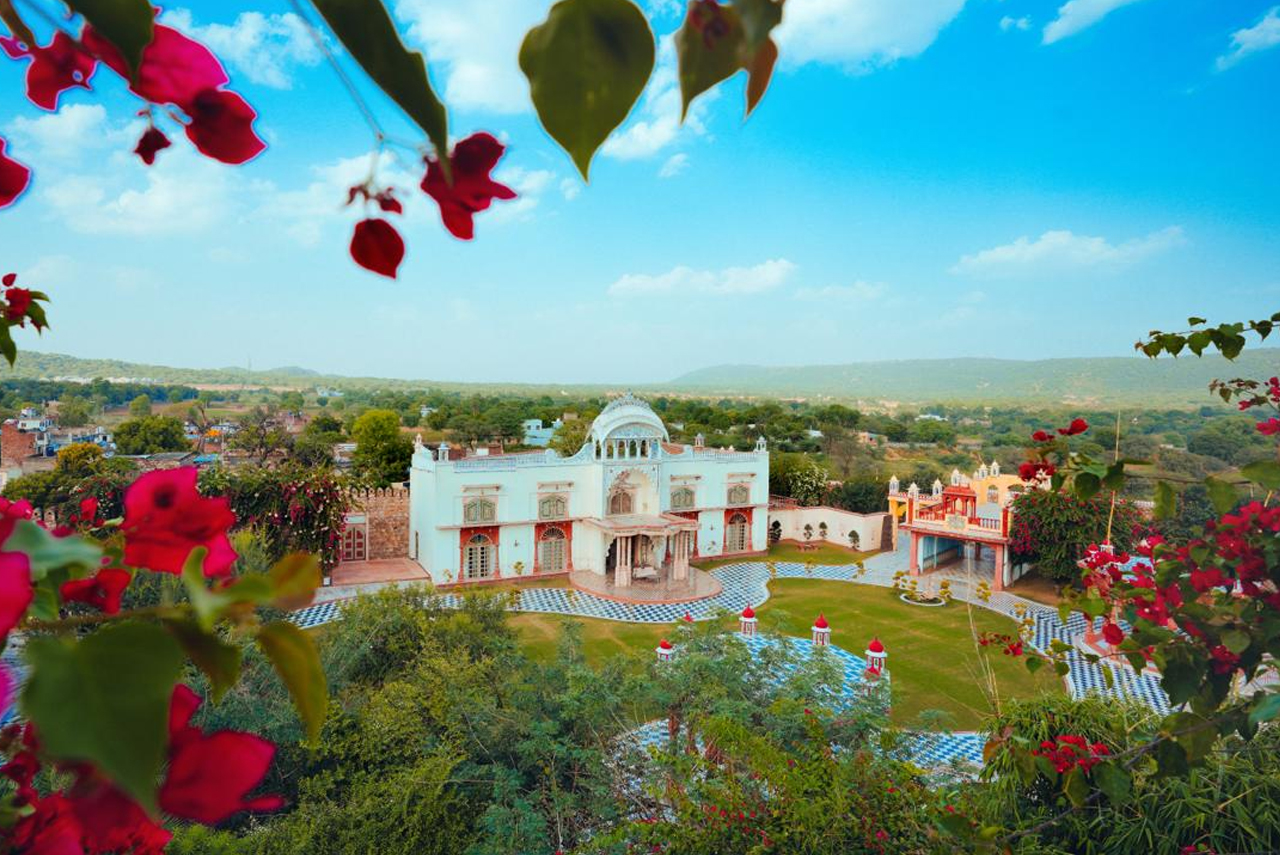
A wedding celebration is made up of many different moods. The warmth of welcoming relatives, the colour of a haldi ceremony, the excitement of sangeet and the quiet emotion of the pheras each deserve their own atmosphere. When every function happens in the same kind of space, the events can begin to feel alike. Thoughtful venue choices give each part of the celebration its own identity.
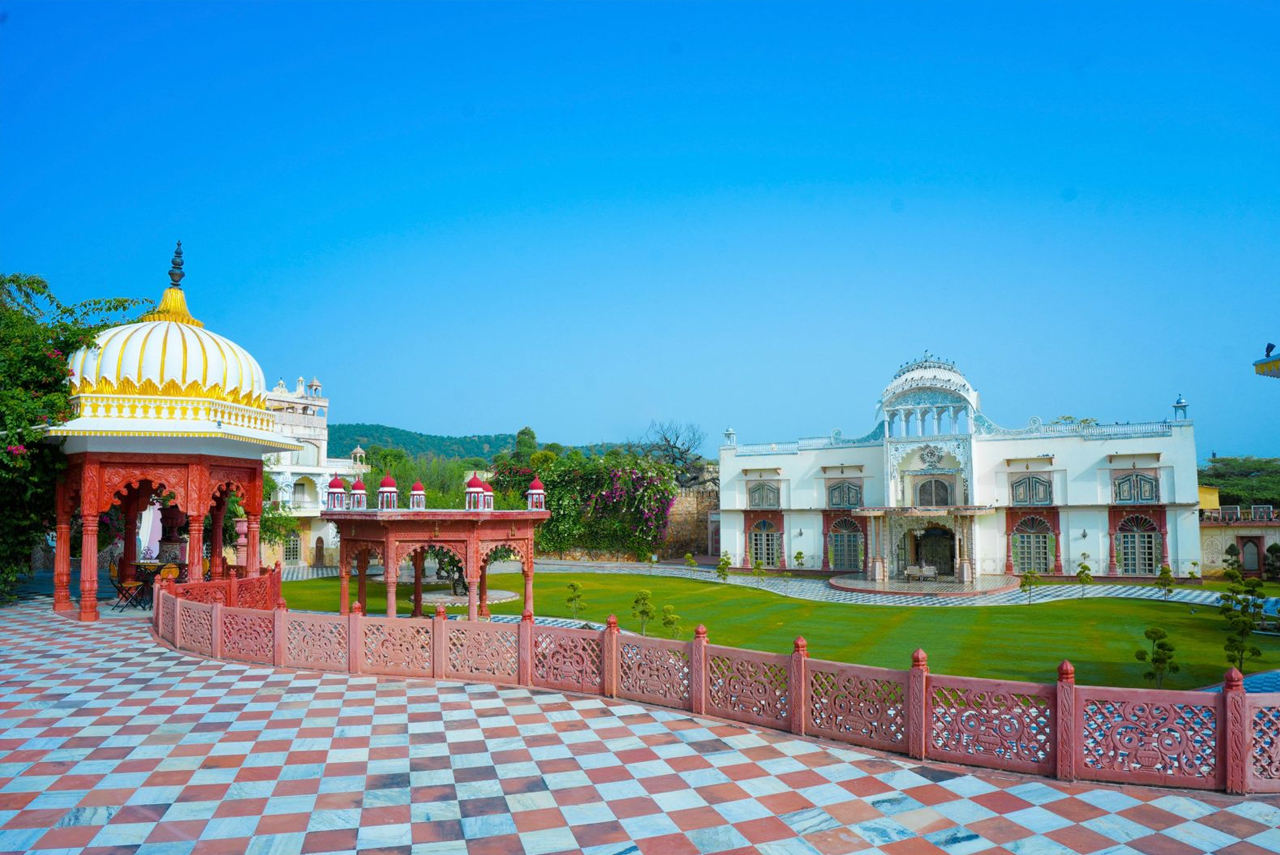
At Lohagarh Fort Resort, couples can plan a wedding as a series of settings and experiences. Instead of asking only, “Which venue is the biggest?” families can consider a more personal question: “What should our guests feel during this function?” The answer can guide the choice of space, from an intimate welcome area to an expansive lawn or a dedicated setting for the wedding ritual.
Think of the celebration as a sequence
A multi-function wedding has a natural flow. Guests arrive, reconnect with family, take part in relaxed daytime events, enjoy an evening of music and celebration, and gather for the central ceremony. Each moment has a different pace.
This makes venue planning more interesting than simply assigning one function to each available space. A garden can make a daytime ceremony feel relaxed and close-knit. A large lawn can give a reception room to build energy. An indoor hall can create a more contained setting for a performance-led evening. The venue becomes part of the experience, helping each function feel distinct.
Couples can explore Lohagarh Fort Resort’s wedding spaces while thinking about the atmosphere they want to create at each stage.
Begin with the feeling of arrival
The first function sets the tone for the wedding. Guests may be travelling from different cities, meeting relatives they have not seen for some time, or arriving with children and older family members. A welcome should feel easy to follow and comfortable, rather than like another large-scale event.
Swaagat Kaksh, an indoor venue with a capacity of up to 40 guests, is suited to a more intimate welcome or family gathering. Its scale can help the first interaction feel personal. Families can use the arrival function to share the schedule, greet close relatives and give guests a calm beginning before the pace of the celebrations picks up.
The welcome does not have to compete with the wedding ceremony for grandeur. Its role is to help people settle into the celebration.
Give daytime ceremonies room to feel relaxed
Haldi and mehendi often bring a different kind of energy: informal, colourful and full of family participation. A landscaped outdoor setting can suit this mood, giving guests a chance to move around, talk and enjoy the function without the formality of a large reception.
Maharani Bagh, with a stated capacity of up to 150 guests, can suit a gathering that feels substantial while remaining personal. Flower Valley Garden, with a capacity of up to 100 guests, offers another option for a smaller celebration. Families can shape the setting around their traditions, guest list and preferred style of ceremony.
The aim is not to make every function elaborate. A daytime event can be memorable because it gives relatives room to participate, take photographs and enjoy time together.
Let the evening change the pace
Sangeet and cocktail evenings usually bring more movement, music and performance. These functions may need space for a stage, guest seating, dining and dancing, so the layout should support the energy of the programme.
For a more intimate gathering, Sheesh Mahal has a stated capacity of up to 40 guests. For a larger indoor celebration, Maharaja Surajmal Banquet Hall can accommodate up to 500 guests, subject to the final event layout. Families can consider the indoor format when they want a more defined stage-and-audience arrangement or a setting protected from the weather.
An outdoor lawn may suit an evening where the programme is designed around open space and a larger gathering. The choice depends on the guest count and the experience the couple wants—not simply on which venue looks most impressive in a photograph.
Make the main ceremony feel like its own moment
The wedding ceremony is the emotional centre of the celebration. It can benefit from a setting chosen specifically for the ritual, rather than being treated as just another item on the schedule.
Jal Mandap is a dedicated outdoor setting for wedding pheras. Its stated ceremonial capacity is up to 20 people, making it suited to the couple and a close group participating in the ritual. Families should plan how the wider gathering will be arranged around the ceremony, based on their traditions and the final event setup.
Separating the ritual from the reception can help both moments have their own character: one centred on vows and close family, the other on celebrating with a larger group.
Choose scale for the reception you imagine
A reception may be the largest gathering in the wedding programme. Some couples picture a grand evening with a large guest list; others prefer a smaller celebration focused on conversation and family. The space should fit the intended experience.
For larger outdoor functions, Maharaja Bagh has a stated capacity of up to 500 guests, Aravalli View Garden up to 800, and Krishna Angan up to 1,000. The resort also lists Maharaja Surajmal Banquet Hall for up to 500 guests indoors. These figures are starting points for discussion: stage size, dining arrangements, décor and seating can affect the final layout.
When comparing venue settings at the resort, discuss the planned guest count and production requirements with the wedding team before confirming a space.
Create contrast without making the day feel disconnected
Using different settings can give each function a distinct mood, but the overall celebration should still feel connected. Families can carry a visual thread through the events—perhaps a colour, floral detail, musical motif or family tradition—while allowing the décor and layout to suit each venue.
The schedule matters too. Allow enough time for guests to move between functions, freshen up and enjoy meals. A good transition can make a wedding feel considered; a rushed one can make even a beautiful setting feel difficult to experience.
The most successful venue plan is not necessarily the one that uses the most spaces. It is the one that gives each important moment the right amount of room and attention.
Plan with the real guest experience in mind
Before finalising the sequence, think through the celebration from a guest’s point of view. Where will older relatives feel comfortable? How will guests understand where to go next? Will the timing give families a chance to participate without feeling hurried? Are the indoor and outdoor choices appropriate for the season and event schedule?
These practical details shape how the celebration feels. Lohagarh Fort Resort’s wedding celebration spaces provide families with different settings to consider, but final arrangements should be confirmed with the wedding team according to the dates, guest list and event requirements.
A wedding venue is more than a backdrop. It influences how people gather, where they pause, how they move through the day and which moments stay with them. When each function is matched to a setting that suits its mood, the celebration can feel varied yet cohesive—from the first welcome to the final farewell.
Frequently Asked Questions
How should couples match wedding functions to venues in Jaipur?
Start by identifying the mood and practical needs of each function. A welcome may work best in a smaller, comfortable setting, while a sangeet may need room for a stage, dining and dancing. For pheras, consider whether the couple wants a dedicated ceremonial space. At Lohagarh Fort Resort, families can discuss the guest count, event layout and preferred atmosphere for each function with the wedding team before making a final plan.
Which venue is suitable for a small wedding function at Lohagarh Fort Resort in Jaipur?
The right choice depends on the function and the number of guests. Lohagarh Fort Resort lists spaces such as Swaagat Kaksh and Sheesh Mahal for gatherings of up to 40 guests, and Flower Valley Garden for up to 100. These stated capacities may vary with the stage, seating, décor and dining arrangements, so families should confirm the practical layout for their specific event.
Can couples plan different wedding functions in different spaces at Lohagarh Fort Resort in Jaipur?
Yes. Lohagarh Fort Resort lists multiple indoor and outdoor settings, so couples can discuss using different spaces for functions such as a welcome, haldi, mehendi, sangeet, pheras and reception. The final schedule depends on availability, guest movement and event requirements. Families should confirm how much time is needed between functions and whether the proposed venue sequence works for their guests.
How can couples make each wedding function feel different at a Jaipur resort?
Give each function a clear purpose and atmosphere. A daytime ceremony might feel relaxed and family-focused, while an evening celebration may centre on music and performances. A dedicated space for the main ritual can make it feel especially meaningful. At Lohagarh Fort Resort, couples can discuss how venue choice, décor and event timing can create contrast while keeping the celebration connected.
What should families confirm before choosing a wedding venue in Jaipur?
Families should confirm the guest count the layout can comfortably support, what arrangements are possible for seating and dining, and how guests will move between functions. They should also discuss the event schedule, indoor or outdoor requirements, seasonal considerations and any production needs. Lohagarh Fort Resort can confirm the current availability and practical setup for each space once it has the dates and event details.