Jaipur, the Pink City, offers a rich blend of royal heritage, culture, and architectural marvels. Whether you are exploring centuries-old palaces or savoring the local cuisine, there is no shortage of things to do in Jaipur.
Here is a guide to the top places you should visit during your weekend trip to Jaipur.
Amber Fort is among the best places to visit in Jaipur, famous for its huge palace that has been built with pale yellow and pink sandstone for large areas and white marble in some part of the fort complex. This fort is divided into four major parts where each part has its private courtyard and the tourists get an idea of the lavishness of Rajputana architecture and heritage. It is a good horse-riding place or one can roam around the fort either on foot or hire a jeep to avoid any kind of harm to animals and to capture the scenic beauty of Amber Fort.
Hawa Mahal is a must-visit when exploring one of the best things to do in Jaipur; Hawa Mahal is situated at Badi Choupad in the center of Jaipur. This palace was constructed in 1799 by Maharaja Sawai Pratap Singh and it is a five storied monument which has 953 windows which are adorned with exquisite carvings: Each window was built to allow air to pass through and hence the palace was an ideal summer palace. Due to its honeycomb design, it was meant to help royal ladies watch the streets and royal carriage processions while still practicing Purdah. Nevertheless, the best time when one can go to Hawa Mahal is early morning, when the golden brilliance paints the many latticed-windows of this beautiful palace and the scenic beauty of Jaipur City can be best captured.
Situated within the walled area on the banks of the lake, the touching line of the City Palace is a must go place when you are in for a Jaipur weekend trip. This beautiful palace was also designed and constructed by Maharaja Sawai Jai Singh II to house his new capital, Jaipur; This magnificent palace still belongs to the royal family; there is a part of the palace designated for the living of the members of the royal family on rent. Some of the important buildings are the Mubarak Mahal where the Maharaja Sawai Man Singh II Museum is located in which there are royal costumes, Pashmina shawls, Banarasi silk sarees etc. Maharani’s Palace has a well illustrated collection of Rajput armoury of the 15th century and masterfully painted ceilings giving glimpse of regal past.
Located near City Palace and Hawa Mahal, Jantar Mantar is one of the most historically and scientifically important places to visit in Jaipur. The open-air astronomical observatory was developed in the early 18th century under Maharaja Sawai Jai Singh II, a ruler known for his interest in astronomy, mathematics and the accurate measurement of time.
Jantar Mantar contains a collection of large masonry instruments designed to observe astronomical positions with the naked eye. These instruments were used to measure time, follow the movement of celestial bodies, determine planetary positions and study other astronomical phenomena. The Samrat Yantra is particularly notable for its monumental scale and its function as a sundial.
The site demonstrates how architecture, geometry and astronomy were combined centuries before modern digital instruments became available. Its scientific design and well-preserved monumental instruments have earned Jantar Mantar recognition as a UNESCO World Heritage Site.
Jal Mahal is one of the most beautiful places to visit in Jaipur for a weekend which lies in the middle of the Mann Sagar Lake. This palace was constructed by Maharaja Madho Singh I for his hunting trip this architectural delight is built fully with pink sandstone reflecting the Rajputana style of architecture. In contrast to its automatically attached and single exterior with what seems to look like merely one floor, there exists four subterranean stories underwater, anchored to the lake through engineering and engineering only. While the palace itself is closed for visitors, people arrive to the shore of the lake to get a glimpse at the palace – it is especially mesmerizing to visit during the evening, as the area is filled with various food stalls, so while it is peaceful and great for sightseeing and photography, it is also very lively.
Nahargarh Fort which is situated on the edge of a ridge at the north-eastern side of Jaipur is one of the popular cultural places to visit in Jaipur. There is Wind Fort; it was constructed in 1734 in the regime of Jai Singh to afford protection to the city. Accommodation here is spectacular and captivating, and within its premises; there is a summer palace named Madhavendra Bhawan built by Sawai Madho Singh for himself and the royal house where royal rooms, 12 splendid bedrooms for the queens and one king’s suite are interconnected through galleries that depict marvelous murals. At present the Nahargarh Fort is famous for having picnics, the fort especially at night has a picturesque view over Jaipur and is one famous cultural destination.
The Albert Hall Museum also known as the Government Central Museum is one of the finest museums and popular tourist places in Jaipur that shows a true example of the skilled work of the Royals of Rajasthan. This building was constructed in 1876 and to celebrate the visit of Prince Albert Edward and was designed by Sir Samuel Swinton Jacob has a blend of Indo Saracenic and European architecture. It comprises a wide range of collections such as the Rajasthani miniature paintings and traditional weapons, textile and sculptures. Of course, it even has an Egyptian mummy. The museum which occupies a total area of 16 acres also offers display of cultural activities, rites, workshops, and exhibitions hence appealing to artistic and historical enthusiasts.
Laxmi Narayan Temple or Birla Mandir is one of the Jaipur best places to visit that attracts a large number of visitors. Situated at the feet of Moti Dungari this beautiful and fully functional modern temple was constructed in 1988 by the Birla family out of pure white marble. Mandir is constructed in the Hindu style of architecture with architectural wonders, marvelous carvings and sculptures mainly with mythological themes and it is dedicated to Lord Vishnu and Goddess Lakshmi. The three domes of the temple represent the three major religions of India pointing towards the presence of secularism in the country. The temple is lovely, especially when, during the night, it is lighted, and there is also a museum in the premises, which contains relics of the Birla family.
Ajmer is one of the favorite tourist places to visit near Jaipur which is at a distance of 130 km in the south western direction from Jaipur and only 14 km from Pushkar. Famous for its multicultural form, there is the famous Ajmer Shariff Dargah, the tomb of a Sufi saint, Khwaja Moinuddin Chisti and the city is famous for its pilgrims from around the world. It also has the beautiful and calm water lake known as the Ana Sagar Lake and the ancient Taragarh Fort. Also, it is an important place of Jain cult with the marvelous Golden Jain Temple as its part. This one is located close to Pushkar, which has Brahma Temple and holy water kund or sarovar, which makes this hotel a great place for tourists who travel across Rajasthan.
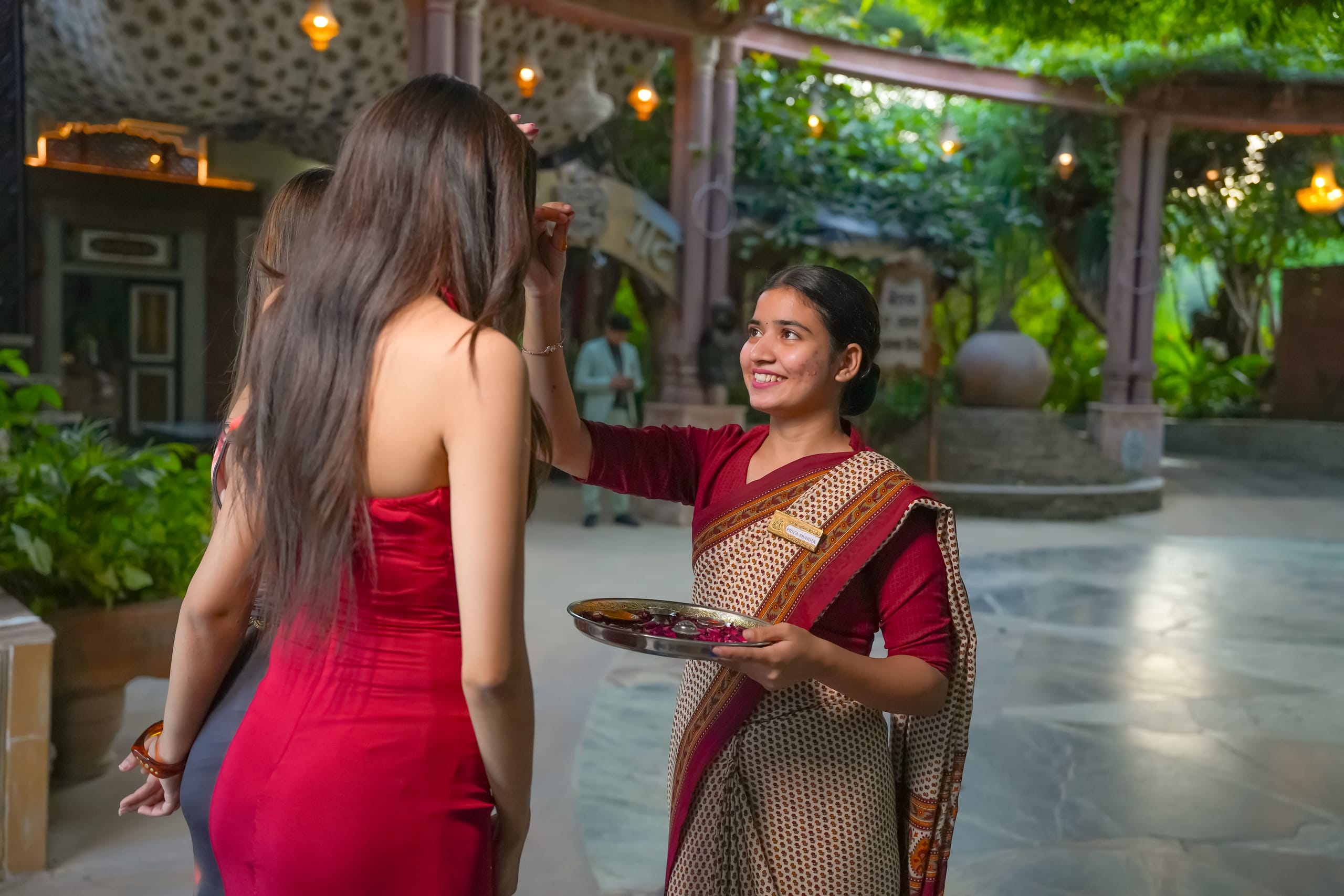
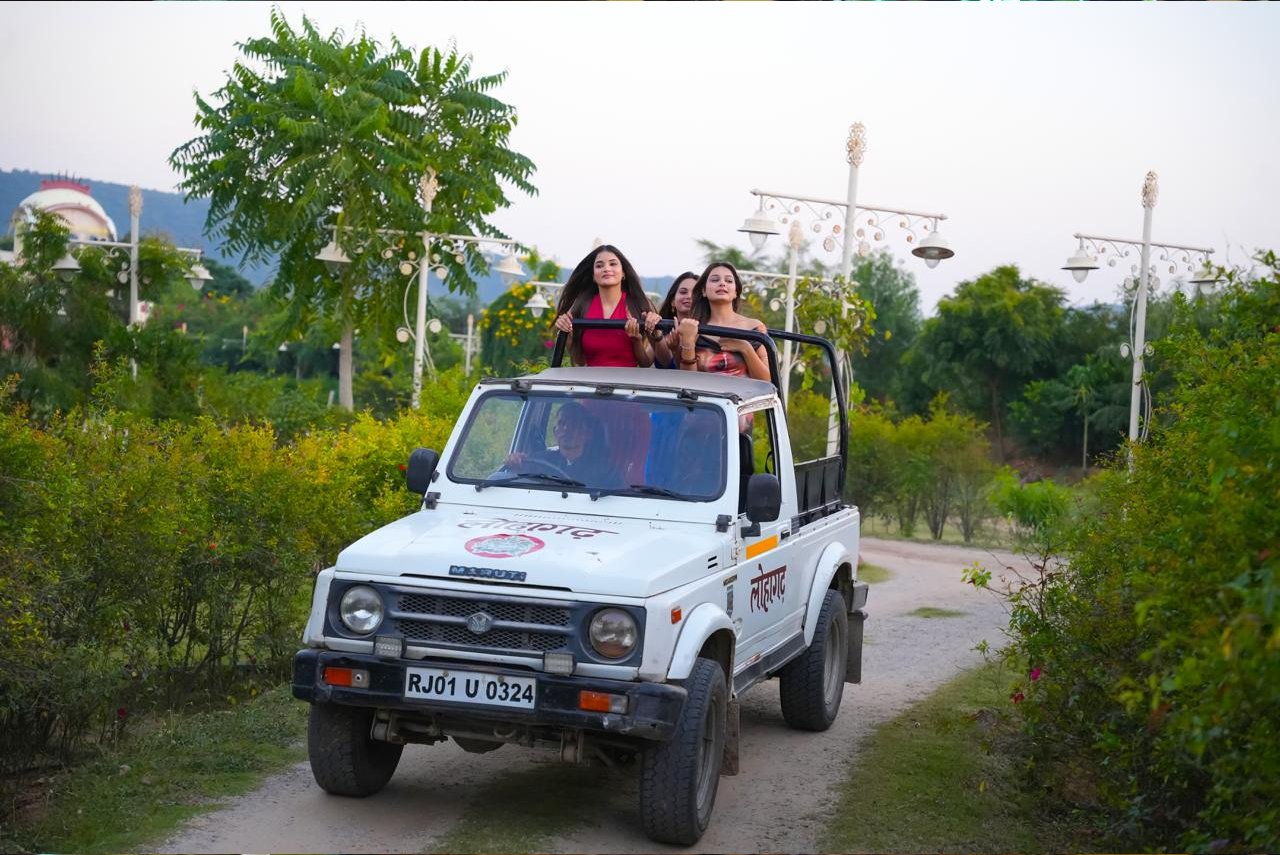
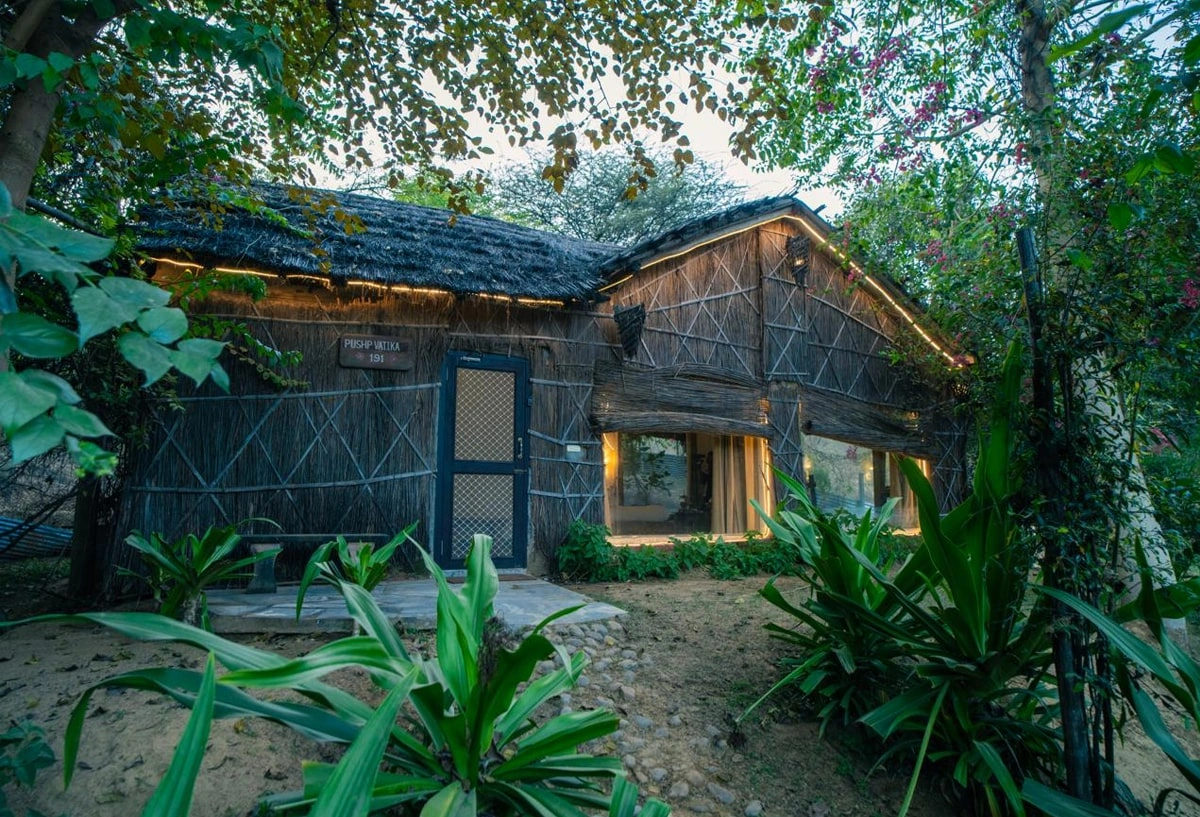
Lohagarh Fort Resort is located in close proximity to the most popular sites that you may wish to explore in Jaipur, making it the most convenient weekend break destination. Whether it is the history of Amer Fort, the building structure of Hawa Mahal or the number system of Jantar Mantar all are located quite near to Lohagarh Fort Resort with the distances varying from 13 kms to 21 kms. Lohagarh Fort Resort presents an amazing combination of luxury, serenity of nature and rich history as it lies at the foothills of the Aravalli hills. It provides a royal touch of Rajasthan’s heritage with all modern amenities. Loghagarh fort resort is one of the best resorts in Jaipur, Rajasthan, with its natural environment, and special designs of the building with a beautiful environment and fulfilling experience. Regardless of whether you are planning a vacation with an aim of relaxation, diving into the local color and traditions or when planning your honeymoon trip to Rajasthan, Lohagarh Fort Resort guarantees you a holiday of a royal Rajasthan.
First-time visitors should prioritise Amber Fort, City Palace, Jantar Mantar, Hawa Mahal, Jal Mahal and Nahargarh Fort. Together, these attractions cover Jaipur’s royal architecture, scientific heritage, historic city planning and Aravalli views. Albert Hall Museum and Birla Mandir can be added when time permits. The final selection should depend on available days, interests, mobility and the location of the accommodation.
Yes, Jaipur’s principal attractions can be covered in two days when the route is planned geographically. On the first day, visitors can explore Amber Fort, Jal Mahal and Nahargarh Fort. The second day can cover Hawa Mahal, City Palace, Jantar Mantar and the markets of the Walled City. Start early, avoid backtracking and verify current entry timings before travelling because schedules may change.
On Day 1, begin with Amber Fort and then visit Jal Mahal, Jaigarh or Nahargarh, depending on available time. On Day 2, explore Hawa Mahal, City Palace and Jantar Mantar because they are situated comparatively close to one another. End with Albert Hall Museum, Birla Mandir or a market visit. Keep sufficient time for meals, traffic, ticket queues and walking within large monuments.
October to March generally offers the most comfortable weather for forts, palaces, markets and outdoor sightseeing. April to June can be extremely hot, so summer visitors should begin early, rest during the afternoon and resume in the evening. Monsoon months may provide greener surroundings but can also bring humidity and unexpected rain. Travellers should check the weather forecast and current attraction information before finalising daily plans.
Two days are sufficient for a focused visit to Jaipur’s principal monuments, while three or four days provide a more relaxed experience. Additional time allows visitors to explore Jaigarh Fort, Gaitore, museums, temples, markets, craft centres and nearby attractions without rushing. Travellers planning Ajmer and Pushkar should reserve a separate day because they are outside Jaipur and require considerable road travel.
Amber Fort, Jantar Mantar, City Palace and Albert Hall Museum can be engaging for children when adults explain their stories and scientific importance. Jantar Mantar is particularly interesting because its monumental instruments demonstrate historic astronomical observation. Families should consider walking distances, stairs, weather and meal breaks. An experienced local guide can make architectural and historical sites easier for children to understand and enjoy.
A reserved taxi or app-based cab is convenient when covering several attractions in one day. Auto-rickshaws can be useful for shorter journeys, while buses and organised city tours may suit budget-conscious travellers. Attractions within the Walled City can sometimes be combined on foot, but traffic and parking require planning. Confirm the full-day fare, waiting charges, parking costs and route with the driver before departure.
Most major forts, palaces, observatories and museums require entry tickets, while roadside viewing points such as Jal Mahal can generally be experienced from designated public areas. Prices, opening hours, camera policies and visitor access can change. Travellers should verify current information through official Rajasthan Tourism or attraction websites rather than relying on old blogs. Keep government identification available if a ticket category requires it.
A one-day Jaipur trip is possible, but visitors should choose a limited route instead of attempting every attraction. A practical plan might include Amber Fort in the morning, a short Jal Mahal stop, and Hawa Mahal, City Palace and Jantar Mantar later. This will still be a full schedule. Travellers seeking a slower experience should skip one attraction and reserve time for lunch, local streets or shopping.
The right location depends on the planned itinerary. A city-centre hotel can be convenient for the Walled City, markets and central monuments. Travellers prioritising Amber Fort, Kukas and a quieter resort experience may prefer the Amer–Kukas corridor. Lohagarh Fort Resort offers accommodation, dining, wellness and activities for visitors who want to combine Jaipur sightseeing with time to relax within the resort instead of spending the entire weekend in city traffic.