September 2, 2026
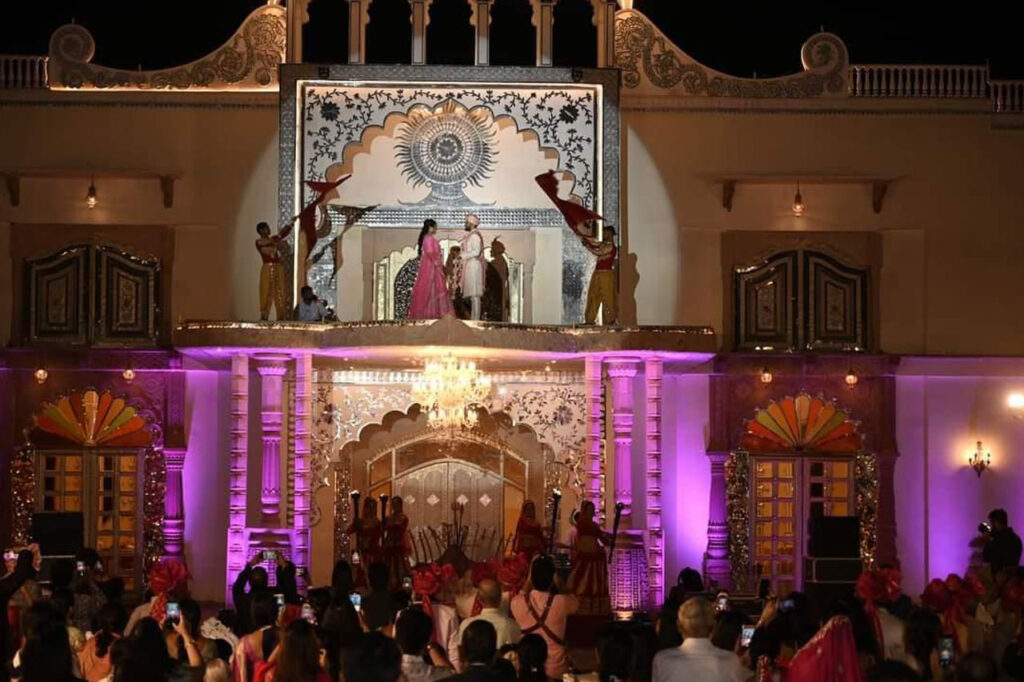
An Indian wedding is not simply a collection of colourful functions arranged across several days. Every ceremony contributes to a gradual emotional and cultural journey—from joyful family participation and public celebration to sacred promises shared by the couple. Understanding the Indian Wedding Ceremony Sequence helps families plan each function with greater purpose instead of treating haldi, mehendi, sangeet, varmala and pheras as unrelated events.
The exact ceremonies, their order and their interpretation may differ according to region, community and family tradition. Yet one idea remains consistent across many Indian weddings: the festivities gradually guide two individuals and their families towards commitment, responsibility and a new shared life.
Why Do Indian Wedding Rituals Follow a Meaningful Order?
Indian wedding ceremonies often begin with blessings and preparations, progress through family gatherings and celebrations, and culminate in the principal marriage rituals.
This progression serves an emotional purpose. It gives relatives time to meet, allows both families to become comfortable with one another and prepares the couple for the seriousness of their vows.
A carefully planned sequence can also make a multi-day wedding easier for guests to understand. Each function receives its own atmosphere, while the entire celebration continues to feel connected.
Because traditions vary, couples should consult their parents, elders and family priest before finalising the ceremonial schedule.
Haldi: Beginning the Journey With Blessings
Haldi is commonly one of the earliest pre-wedding ceremonies. Family members apply a turmeric-based preparation to the bride and groom while offering blessings, affection and good wishes.
Modern haldi functions may include bright décor, music and photography, but their deeper value lies in family participation. Relatives do not merely watch the ceremony; they become part of the couple’s preparation for marriage.
The function often creates an informal atmosphere where laughter and emotion exist together. It marks the beginning of the visible wedding journey while reminding the couple that they are supported by their families.
Mehendi: Creativity, Patience and Family Connection
Mehendi creates a slower and more intimate environment. While intricate designs are applied, relatives gather, share stories, sing traditional songs and spend time with the bride and one another.
The ceremony represents more than decoration. It creates space for intergenerational connection, particularly when mothers, aunts, sisters, cousins and friends participate together.
A thoughtful mehendi plan should provide comfortable seating, suitable lighting, refreshments and sufficient time. Families should avoid overcrowding the schedule because detailed application and meaningful interaction cannot be rushed.
Sangeet: When Two Families Celebrate Together
The sangeet changes the energy of the wedding. Music, dance and family performances allow both sides to interact in a relaxed setting before the more formal rituals begin.
Performances may recall childhood memories, introduce relatives or present the couple’s story through music. Although contemporary sangeet functions can involve large stages and professional production, the emotional centre should remain the participation of family and friends.
Rajasthani folk music and traditional performances can also connect the occasion with local culture. When local artists are included, they should be introduced and treated respectfully rather than used only as decorative entertainment.
Baraat and Milni: The Ceremonial Meeting of Families
The baraat represents the groom’s ceremonial arrival with relatives and friends. Its music, movement and excitement create one of the most public moments of the wedding.
The energy of the procession is followed by milni, during which representatives from both families welcome and greet one another. This transition is meaningful: a celebratory arrival becomes a respectful meeting between families.
Good coordination is essential. The hosts should plan the arrival route, welcome area, refreshments and introductions so elderly relatives and important family members can participate comfortably.
Varmala: A Moment of Mutual Acceptance
During varmala, the couple exchanges garlands in the presence of their families and guests. It is visually prominent, but its importance is not limited to photography or stage presentation.
The exchange can be understood as a public expression of mutual acceptance and respect. It creates a bridge between the energetic arrival celebrations and the sacred rituals that follow.
Couples should allow enough time for the moment to occur naturally. Excessive staging, repeated poses or long interruptions can reduce the emotional value of the ceremony.
Why Does the Atmosphere Change Before the Pheras?
As the wedding approaches the pheras, the mood generally becomes more reflective. Loud public celebrations give way to mantras, family blessings and the couple’s commitments.
This change in atmosphere is intentional. The earlier functions create joy and connection; the principal ceremony brings attention back to the responsibilities of marriage.
The mandap should therefore support concentration and participation. Sound, photography, seating and guest movement should be managed so that the rituals remain central.
International guests or younger family members may benefit from a short written explanation of the ceremony. This helps them understand the moment without interrupting it with questions.
Understanding the Significance of the Seven Pheras
The Cultural Significance of Seven Pheras is associated with promises that guide the couple towards a shared life. Depending on the family and tradition, these may relate to mutual support, wellbeing, prosperity, companionship, respect and lifelong commitment.
The couple moves around the sacred fire while the priest recites mantras and explains the vows. Fire is regarded in many traditions as a sacred witness to the marriage.
No single simplified interpretation should be presented as universal. The wording, number, order and meaning of individual vows may vary. Couples should follow the guidance of their priest and respect the customs observed by both families.
Why Are Natural Elements Important in Wedding Rituals?
Indian ceremonies frequently use natural elements symbolically. Fire may represent purity and sacred witness, water may suggest continuity and renewal, flowers express beauty and impermanence, while the earth provides stability.
A tree can introduce another powerful idea: a marriage should grow while remaining firmly rooted. Its branches may evoke expansion and future generations, while its roots suggest values, family history and continuity.
When these natural elements are present within a ceremonial setting, they should not be treated merely as decoration. Their inclusion should encourage reflection and responsible use of the environment.
What Does the Pipal Tree Represent?
The Meaning of Pipal Tree in Indian Traditions is connected with life, longevity, wisdom, shelter and continuity across generations. It is respected in several Indian cultural and spiritual traditions and has long been associated with sacred natural spaces.
This does not mean that every Indian marriage must take place beneath a Pipal tree. Wedding practices differ greatly, and families should follow their own customs. However, when such a tree forms part of the surroundings, it can give the ceremony an atmosphere of rootedness, endurance and connection with nature.
The tree should be respected as a living part of the setting—not used as a surface for nails, heavy fixtures or damaging decorations.
Pheras Beneath Lohagarh’s 300-Year-Old Pipal Tree
At Lohagarh Fort Resort, Jal Mandap provides a distinctive setting for traditional wedding pheras. The waterside ceremonial space is positioned beneath an approximately 300-year-old Pipal tree, bringing together the calmness of water, the sacred presence of fire and the living character of nature.
Jal Mandap is designed for the couple, priest and close family members during the principal rituals, while other guests can witness the ceremony from the surrounding celebration area.
The setting does not replace the importance of the rituals. Instead, it gives families a peaceful environment in which the vows can remain the centre of attention.
Couples should discuss seating, photography, lighting, fire safety, priest requirements and guest viewing arrangements before the wedding.
How Can Modern Weddings Preserve Cultural Meaning?
Modern production and traditional customs can exist together when planning remains respectful.
Couples and families can:
- Ask elders to explain family-specific traditions.
- Consult the priest before finalising the schedule.
- Allow sufficient time for every important ceremony.
- Explain rituals to guests unfamiliar with them.
- Reduce unnecessary photography interruptions.
- Keep sound controlled during mantras and vows.
- Provide comfortable seating for senior relatives.
- Use décor that complements rather than overwhelms nature.
- Protect trees, water features and surrounding landscapes.
- Remove floral, plastic and production waste responsibly.
A culturally meaningful wedding does not need to reject modern design. It simply needs to ensure that décor and entertainment support the ceremony rather than dominate it.
Wrap-Up: Where Celebration Becomes Commitment
An Indian wedding gradually moves from family blessings and joyful participation towards promises that define a shared future. Haldi represents preparation, mehendi creates emotional connection, sangeet brings families together, milni encourages mutual respect, varmala expresses acceptance, and pheras place responsibility and companionship at the centre of marriage.
When the principal rituals take place in a peaceful natural environment, their meaning can become even more visible. Fire represents sacred witness, water can reflect continuity, and an old tree can symbolise stability, growth and the relationship between past and future generations.
At Lohagarh Fort Resort, Jal Mandap brings these elements together beside water and beneath an approximately 300-year-old Pipal tree. The setting provides a quiet, intimate environment for the couple, priest and close family members during the principal marriage rituals.
The tree should not be treated merely as a wedding backdrop. Its age and living presence represent continuity through changing generations—the same quality families hope to see in a marriage. Thoughtful décor, controlled photography, responsible fire management and protection of the natural surroundings allow the ceremony to remain respectful.
The real beauty of an Indian wedding is not determined only by its scale, stage or decoration. It comes from understanding why each ceremony is performed and allowing every ritual to guide the couple from celebration towards lifelong commitment.
Frequently Asked Questions About Indian Wedding Rituals and Sacred Natural Settings
Why do Indian wedding functions take place in a particular order?
Indian wedding functions often follow an emotional and ceremonial progression. Early events such as haldi and mehendi involve blessings and family participation, while sangeet brings both families together socially. Baraat, milni and varmala lead towards the principal marriage ceremony, where the couple undertakes sacred vows. The exact order varies according to community and family customs.
Do all Indian weddings follow the same rituals?
No. India has diverse regional, religious and community traditions, so wedding ceremonies can differ significantly. The names, number, order and interpretation of rituals may also vary between families. Couples should consult their elders and family priest instead of assuming that one commonly published sequence applies universally.
Why is haldi performed before the principal wedding ceremony?
Haldi is generally associated with preparation, blessings and family participation. Relatives apply a turmeric-based preparation to the bride or groom while expressing affection and good wishes. Its precise customs differ across communities, but the function often marks the beginning of the visible ceremonial journey.
What is the cultural purpose of mehendi and sangeet?
Mehendi creates time for relatives and friends to gather while traditional designs are applied. Sangeet uses music, dance and family performances to bring both sides together in a more relaxed environment. These functions strengthen relationships before the formal marriage rituals begin.
What do the seven pheras generally represent?
The pheras are associated with promises concerning shared responsibilities, mutual support, respect, wellbeing, companionship and commitment. Their wording and interpretation can vary across traditions. The family priest should explain the vows according to the customs being followed during the ceremony.
Why is a sacred fire used during many Hindu wedding ceremonies?
In many Hindu traditions, the sacred fire is regarded as a witness to the marriage. The couple completes important rituals in its presence while the priest recites mantras and explains the vows. Fire arrangements should be managed carefully with appropriate safety precautions, particularly at outdoor venues.
Is it necessary to conduct wedding pheras beneath a Pipal tree?
No. A Pipal tree is not a compulsory element of every Indian wedding. Marriage traditions differ between communities and families. When an old Pipal tree forms part of a ceremonial setting, however, its associations with life, longevity, shelter and continuity can complement the values represented by marriage.
What makes Jal Mandap at Lohagarh Fort Resort distinctive?
Jal Mandap is a dedicated waterside ceremonial space positioned beneath an approximately 300-year-old Pipal tree. It provides an intimate setting for the couple, priest and close family members during traditional marriage rituals, while other guests can witness the ceremony from the surrounding celebration area.
How can couples protect an old tree during wedding decoration?
Decorators should avoid nails, screws, heavy fixtures, harmful adhesives and excessive lighting attached directly to the tree. Its roots should remain unobstructed, and open flames must be managed safely. Temporary installations should be removed carefully, and the surrounding area should be cleared of plastic, floral wire and other waste.
How can modern weddings preserve the meaning of traditional rituals?
Couples can consult elders and priests, allocate sufficient time for ceremonies, explain rituals to unfamiliar guests and prevent photography from repeatedly interrupting sacred moments. Modern décor and entertainment can remain part of the celebration, but they should support the traditions rather than overpower them.
Can international guests understand and participate in Indian wedding rituals?
Yes. Families can provide a short printed or digital guide explaining the purpose, approximate timing and expected guest participation for each ceremony. Announcements or a knowledgeable family representative can also help international guests observe and participate respectfully without disrupting the rituals.
Why should couples consider nature when planning a wedding ceremony?
Natural surroundings can create calmness and symbolic depth. Trees may represent growth and continuity, water can suggest renewal, and open landscapes can provide a reflective atmosphere. Couples should use these surroundings responsibly by protecting vegetation, managing waste and ensuring that décor does not damage the environment.