July 20, 2026

A single day in Jaipur can hold far more than hurried sightseeing. With thoughtful preparation, a family can experience an impressive fort, admire the architecture of the Pink City, enjoy local food, spend time in a traditional market and still find opportunities to relax together. The secret is not attempting to visit every famous attraction. It is choosing experiences that match the family’s interests, available time and energy.
Planning one day in Jaipur with family requires a different approach from travelling alone or exploring the city with friends. Children may lose interest during long historical tours, elderly parents may need comfortable transport and shorter walks, while other family members may be interested in photography, shopping or regional food. A successful day must therefore accommodate different expectations without making anyone feel that the journey has become a race.
Jaipur rewards travellers who make deliberate choices. Its forts, palaces, astronomical heritage, markets, crafts, cuisine and cultural character cannot be appreciated by simply moving quickly from one location to another. When the day is planned from home, families can spend less time making decisions on the road and more time experiencing the destination together.
Begin Planning Before You Leave Home
A comfortable day in Jaipur begins several days before the family travels. Waiting until arrival to choose attractions, reserve accommodation or arrange transport can consume valuable time and create unnecessary confusion. Advance preparation does not mean creating an inflexible hour-by-hour schedule. It means resolving the essential questions beforehand so that the actual day remains relaxed.
Begin by selecting a date that works for the entire family. Saturday, Sunday and public holidays are often convenient because working adults and school-going children are more likely to be available. However, weekends and long holidays may also bring larger crowds, heavier traffic and greater demand for accommodation. Families should therefore balance convenience with expected visitor volume and make reservations accordingly.
The season is equally important. Jaipur’s summer heat can make extended outdoor sightseeing uncomfortable during the afternoon, while monsoon weather may occasionally affect road conditions and outdoor plans. Winter generally provides more comfortable sightseeing conditions but also attracts higher tourist volumes. Checking the forecast before travelling helps families select appropriate clothing, plan outdoor visits sensibly and keep an alternative experience ready if conditions change.
Travel tickets, local transport and accommodation should be confirmed before departure. If the family is arriving by train or flight, pickup can be coordinated with the selected hotel, resort or taxi provider. Travellers arriving by road should decide who will drive, where the family will stop and whether the vehicle will remain available for local sightseeing. These small decisions determine how smoothly the day progresses.
One-Day Jaipur Trip Planning Table
| Planning decision | What to arrange from home | Why it matters |
|---|---|---|
| Select the date | Choose a weekend, holiday or convenient family day | It allows the family to travel without work or school pressure |
| Check the season | Review the weather forecast and expected conditions | Weather affects clothing, walking comfort and outdoor sightseeing |
| Book transportation | Reserve train, flight or bus tickets in advance | Early booking reduces uncertainty and last-minute complications |
| Select accommodation | Compare and book a suitable hotel or resort online | The right accommodation can simplify arrival, meals and relaxation |
| Arrange local travel | Reserve a taxi, private car or pickup service | Families avoid spending their limited time arranging transport after arrival |
| Coordinate with the property | Confirm pickup, check-in, meals and special requirements | Advance coordination creates a smoother arrival experience |
| Select one major fort | Compare Amber, Jaigarh and Nahargarh before choosing | Attempting several forts can consume most of the day |
| Choose supporting experiences | Select a palace, market, museum or cultural activity | A varied day is more enjoyable than visiting similar attractions repeatedly |
| Review entry information | Check official opening information and ticket availability | It reduces the risk of reaching an attraction when access is limited |
| Plan the family meal | Identify a dining option near the selected route | Travelling across the city only for food can waste valuable time |
| Pack essential items | Carry water, medicines, identification, snacks and comfortable footwear | Children and elderly family members may require additional support |
| Prepare an alternative | Select an indoor or relaxing backup experience | It helps when weather, traffic or fatigue affects the original plan |
Decide What Kind of Jaipur Experience Your Family Wants
Before creating a list of attractions, ask what the family actually wants from the day. Some families are deeply interested in royal history and architecture. Others may prefer local food, colourful markets, photography or recreational activities. A family travelling with young children will make different choices from one travelling with teenagers or elderly parents.
A heritage-focused family might choose one important fort and one palace. Families with school-age children may combine a historical attraction with Jantar Mantar, where Jaipur’s astronomical legacy can make the visit more educational. Travellers interested in crafts and regional culture may prefer a shorter monument visit followed by time in a traditional market. Those arriving after a long journey may find one significant attraction, a relaxed meal and a nature-led resort experience more enjoyable than an overloaded sightseeing list.
These preferences should be discussed at home. Even a simple family conversation can prevent disappointment. If one person expects shopping, another wants to photograph forts and the children expect activities, those priorities should be understood before the journey begins. The final plan does not have to satisfy every request completely, but it should include something meaningful for every generation.
Jaipur Is a Heritage and Cultural Hub—Choose Rather Than Rush
Jaipur’s identity cannot be reduced to one monument. The city brings together hilltop forts, royal residences, historic observatories, traditional markets, temples, museums, regional food and centuries-old craft traditions. This richness creates a common planning mistake: families attempt to include too many experiences because everything appears important.
One day is enough to experience Jaipur meaningfully, but it is not necessary to treat every famous attraction as compulsory. A better approach is to choose one substantial heritage experience, one shorter architectural stop, one food or cultural experience and sufficient time for the family to rest.
This distinction matters. Visiting six attractions quickly may produce more photographs, but it often leaves little opportunity to understand what the family has seen. Children become tired, senior members struggle to keep pace, meals are delayed and conversations are replaced by instructions to hurry. Selecting fewer experiences creates space for observation, questions, stories and spontaneous moments—the elements families are more likely to remember after returning home.
Select One Fort That Your Family Has Not Experienced Before
Amber Fort, Jaigarh Fort and Nahargarh Fort each present a different side of Jaipur. Attempting to explore all three properly during a short family visit can occupy a large part of the day and introduce considerable walking and travel. Families should compare their interests and select the fort that offers the most relevant experience.
If the family has visited Jaipur previously, choosing a fort they have not explored before can make the return trip feel fresh. First-time visitors may prioritise the attraction that best represents what they hope to experience—grand architecture, military history or panoramic surroundings.
| Fort | Why a family may select it | What to consider |
|---|---|---|
| Amber Fort | Monumental architecture, royal history, courtyards and an iconic introduction to Jaipur’s heritage | The visit requires sufficient time and involves walking through an expansive complex |
| Jaigarh Fort | Fortifications, military history and commanding views of the surrounding landscape | It is most rewarding for families interested in defence architecture and historical interpretation |
| Nahargarh Fort | Elevated views and a memorable perspective over Jaipur | Travel time, weather and the family’s interest in scenic experiences should guide the decision |
The correct choice depends on the family, not on which attraction appears most frequently in online lists. Parents travelling with small children may value convenience and visual variety. Teenagers interested in photography may prefer viewpoints and architectural details. Elderly travellers may require a more carefully paced visit with accessible transport and regular seating breaks.
Before finalising the fort, families should check current entry information through an official or dependable source. Attraction policies, access conditions and operating arrangements can change, so an older travel article should not be the only reference used for practical planning.
Choose Supporting Attractions That Add Variety
After selecting one major fort, the remaining experiences should add contrast rather than repeat the same type of sightseeing. Jaipur offers several possibilities, but the family should choose according to location, interest and available energy.
Hawa Mahal can introduce the distinctive architectural identity of the Pink City, while City Palace offers another perspective on Jaipur’s royal history. Jantar Mantar can be particularly engaging when its instruments are explained clearly rather than viewed only as unusual structures. Jal Mahal provides a convenient scenic stop for families travelling between the Amber area and central Jaipur. Albert Hall Museum may appeal to travellers interested in art, objects and museum-based exploration, while Jaipur’s traditional markets offer colour, craftsmanship and direct engagement with the city’s commercial culture.
Each attraction should earn its place in the day. Families can ask three questions before adding it:
- ✅ Does it offer something different from the fort we selected?
- ✅ Is it conveniently located along our route?
- ✅ Will the family still have enough energy to enjoy it?
If the answer to these questions is no, the attraction can be saved for a future visit.
Understand the Difference Between Visiting and Stopping
Not every Jaipur landmark requires a long visit. Some locations can be meaningfully experienced through a shorter, well-planned stop. Jal Mahal, for example, can be appreciated from its permitted viewing area without turning it into an extended activity. The exterior of Hawa Mahal can provide an immediate sense of Jaipur’s architectural character, although families with deeper interest may choose to explore the surrounding area more thoroughly.
Short stops work well when they are placed naturally along the selected route. They should not require a long detour, difficult parking or excessive walking simply to capture a photograph. A ten- or fifteen-minute stop that gives everyone a pleasant view can add more value than an hour spent reaching an attraction that no one has the energy to explore.
This approach is especially helpful for families travelling with young children or elderly parents. It creates visual variety while preserving time for meals, conversations and relaxation.
What to Skip Without Feeling That You Missed Jaipur
Choosing what to skip is not a sign of poor planning. It is one of the most important parts of intelligent family travel. Jaipur’s attractions will remain available for another visit, while an exhausting day cannot be recovered once the family becomes tired.
During a one-day visit, consider skipping multiple forts, attractions located on opposite sides of the city and places included only because they appear on every tourist checklist. Avoid combining several large museums or palaces unless the family has a particular interest in them. Unplanned shopping trips should also be controlled because browsing, comparing products and negotiating prices can easily consume more time than expected.
Outdoor attractions may need to be reconsidered during uncomfortable afternoon weather. Similarly, steep paths, uneven surfaces and extended walking may not suit every senior traveller. Skipping an unsuitable location does not diminish its historical or cultural value. It simply recognises that a good destination must be experienced in a way that respects the people undertaking the journey.
The objective is not to return home saying, “We visited everything.” It is to return saying, “We enjoyed our day together.”
Group Attractions by Location Instead of Crossing Jaipur Repeatedly
Jaipur’s major attractions are distributed across several areas, and the distance shown on a map does not always represent the time a family will spend travelling. Traffic, parking, entrance queues and crowded streets can make repeated journeys across the city tiring. Families should therefore organise their choices geographically instead of selecting isolated attractions from different corners of Jaipur.
Amber Fort, Jaigarh Fort, Nahargarh Fort and Jal Mahal belong broadly to Jaipur’s northern heritage zone. Hawa Mahal, City Palace, Jantar Mantar and the traditional bazaars are concentrated around the historic walled city. Albert Hall Museum and several prominent urban landmarks are located closer to central Jaipur, while Kukas and the Aravalli surroundings present a quieter, more nature-oriented side of the destination.
A family that chooses Amber Fort can naturally consider Jal Mahal and one Pink City attraction without making unnecessary detours. Those focusing on City Palace and Jantar Mantar may combine them with Hawa Mahal and a nearby market because these experiences are geographically compatible. Grouping locations in this way protects the family’s time and creates a smoother transition between history, food, shopping and relaxation.
Give Children a Role in the Experience
Children are more likely to enjoy Jaipur when they are invited to participate rather than expected to follow adults silently. Parents can introduce a fort through a story, ask children to identify architectural details, allow them to take photographs or encourage them to understand how people lived and travelled in earlier periods. Jantar Mantar can become more interesting when its scientific purpose is explained in age-appropriate language instead of being treated as another compulsory stop.
Long historical explanations, extended queues and repeated palace visits may reduce a child’s attention. A better approach combines learning with moments of freedom. A cold drink, a comfortable meal, a short market visit or recreational time later in the day can help children remain engaged. Families should also carry water, light snacks, sun protection and any items younger children may need unexpectedly.
The aim is not to make the entire day child-centred. It is to prevent children from feeling that the trip has been designed entirely for adults. When children are given one or two choices, they develop a stronger connection with the destination and often remember the journey more clearly.
Travel at a Pace That Includes Parents and Grandparents
A family trip becomes meaningful when elderly members can participate comfortably instead of constantly trying to keep up. Jaipur’s forts and historic areas may include stairs, slopes, uneven surfaces and stretches without convenient seating. Before choosing an attraction, families should consider walking ability, joint discomfort, medication schedules and the amount of time senior members can remain outdoors.
Comfortable transport is particularly important. The vehicle should be easy to enter and exit, remain available when required and provide sufficient space for the family. Medicines, drinking water and essential health information should remain accessible rather than packed deep inside the luggage. Meal timings should also be respected, especially when a family member has dietary or medical requirements.
Senior travellers often bring valuable curiosity and perspective to heritage experiences. A slower visit to one carefully selected fort may be more rewarding than moving rapidly through several monuments. The objective should be shared participation, not simply physical presence.
Make Food Part of the Jaipur Experience
Food can become one of the most enjoyable parts of a family day, but only when it is planned with the same care as sightseeing. Travelling across the city solely to visit a famous food outlet may consume time that could have been spent more comfortably. A better choice is to identify a clean, dependable dining option close to the selected sightseeing route or accommodation.
Families should consider different preferences before selecting the meal. Children may want familiar options, elderly members may prefer lighter or less spicy food and some travellers may have allergies or dietary restrictions. During warmer weather, an excessively heavy lunch can make the afternoon uncomfortable, while skipping meals to visit another attraction can affect everyone’s mood and energy.
Regional dishes can still be explored thoughtfully. The purpose is not to order every speciality at once, but to allow the family to experience Jaipur’s food culture without turning lunch into another hurried checkpoint. A comfortable table, sufficient time and food that everyone can enjoy often become as memorable as the monuments visited earlier.
Shop with a Purpose and a Time Limit
Jaipur’s markets are filled with textiles, handicrafts, jewellery, traditional footwear, blue pottery and souvenirs. Their colours and activity can add cultural richness to the day, but unplanned shopping can quickly occupy several hours. Families should decide before travelling what they are genuinely interested in purchasing and select one suitable market rather than moving between multiple shopping areas.
A reasonable time limit helps prevent fatigue and disagreement. Family members purchasing valuable products should ask appropriate questions about materials, authenticity, pricing and return conditions. Children should remain close to adults in crowded areas, while wallets, phones and shopping bags should be handled carefully.
Shopping should complement the Jaipur experience rather than dominate it. Even families that do not intend to buy much can enjoy observing traditional products and local craftsmanship. The visit becomes more meaningful when travellers understand what they are seeing instead of treating the market only as a place to collect souvenirs.
Choose Transport for Comfort, Not Only for Price
Local transportation can determine whether the day feels coordinated or fragmented. App-based cabs may be suitable for individual journeys, but families should consider whether they want to search for a new vehicle after every attraction. A pre-booked taxi or private car with a driver can offer continuity, luggage convenience and greater flexibility, particularly when travelling with children or senior citizens.
Before confirming transportation, discuss pickup location, approximate duration, waiting arrangements, parking costs and any additional charges. Families arriving by train or flight can ask their accommodation whether pickup coordination is available. Clear communication before departure reduces the possibility of misunderstandings after arrival.
Auto-rickshaws may be convenient for shorter urban movements, while guided vehicles can help families who want historical explanations and route assistance. There is no universally correct option; the best choice depends on family size, luggage, comfort expectations and the places selected.
Adjust the Day According to the Season
Jaipur presents a different experience in every season, and the family’s plan should respond to the conditions rather than ignore them. During summer, major outdoor attractions are better experienced earlier, while the warmer part of the day can be reserved for dining, indoor exploration or resort relaxation. Light clothing, hydration and sun protection become essential.
Monsoon can bring greener surroundings and a refreshing change in the landscape, but the family should keep the plan flexible. Rain may affect traffic, walking conditions and outdoor photography. An indoor attraction or a relaxed property-based experience provides a useful alternative when the weather changes.
Winter generally supports longer periods of outdoor exploration, although popular attractions may receive larger crowds. Families should carry suitable clothing for cooler mornings and evenings and allow extra time for entrances, parking and movement through busy areas. Seasonal planning does not require a completely different trip; it simply requires realistic expectations.
Use a Flexible Family-Day Formula
A helpful plan should guide the family without controlling every minute. Instead of allocating a strict time to each activity, build the day around a simple combination:
- ✅ One carefully selected fort, palace or major heritage attraction
- ✅ One short architectural or scenic stop
- ✅ One comfortable family meal
- ✅ One cultural, educational or shopping experience
- ✅ One period of genuine relaxation
- ✅ One optional experience if everyone still has energy
This framework allows families to adjust naturally. If the fort visit takes longer because everyone is enjoying it, the optional market stop can be shortened. If children become tired, recreation and relaxation can begin earlier. If the weather changes, an outdoor stop can be exchanged for dining or an indoor experience.
The most successful plan is not the one followed perfectly. It is the one that continues to serve the family when circumstances change.
Why Relaxation Belongs in a One-Day Jaipur Experience
Sightseeing is only one way to experience a destination. After travelling, walking through monuments and moving through busy market areas, families often need an environment where they can sit together without watching the clock. This is not wasted time. Relaxation allows people to discuss what they saw, recover their energy and enjoy each other’s company.
A quieter setting can be especially valuable for children who need space to play and senior members who want to rest. Green surroundings, open air, food, comfortable seating and recreational activities create a contrast to the movement of the city. When a family balances exploration with relaxation, the day feels complete rather than merely busy.
This is also where the choice of accommodation becomes important. A room provides privacy and rest, but a well-chosen resort can add experiences that continue after the sightseeing ends. Families should evaluate accommodation by looking beyond the room itself. Green surroundings, dining, recreational choices, comfortable shared spaces and convenient access to Jaipur can all influence the quality of a short holiday. Lohagarh Fort Resort brings these elements together for travellers searching for a Best Resort in Jaipur where sightseeing can be balanced with nature, luxury and meaningful time together. Instead of returning to accommodation with nothing to do, families can enjoy nature, recreation, dining and unstructured time together.
Discover Jaipur’s Greener Side at Lohagarh Fort Resort
Beyond Jaipur’s busy roads and densely visited monuments, Lohagarh Fort Resort introduces families to a greener and more spacious side of the destination. Located in Kukas amid the Aravalli landscape, the resort is characterised by abundant greenery, landscaped surroundings and an atmosphere shaped by nature. After spending part of the day exploring Jaipur’s heritage, families can return to an environment that feels calmer, fresher and removed from the intensity of urban sightseeing.
The greenery is not merely a visual background. It changes the rhythm of the stay. Shaded areas, natural surroundings and open spaces encourage guests to slow down, walk without urgency and spend time outdoors. The Aravalli setting adds a sense of separation from the crowded city while keeping Jaipur’s heritage experiences within the broader travel plan.
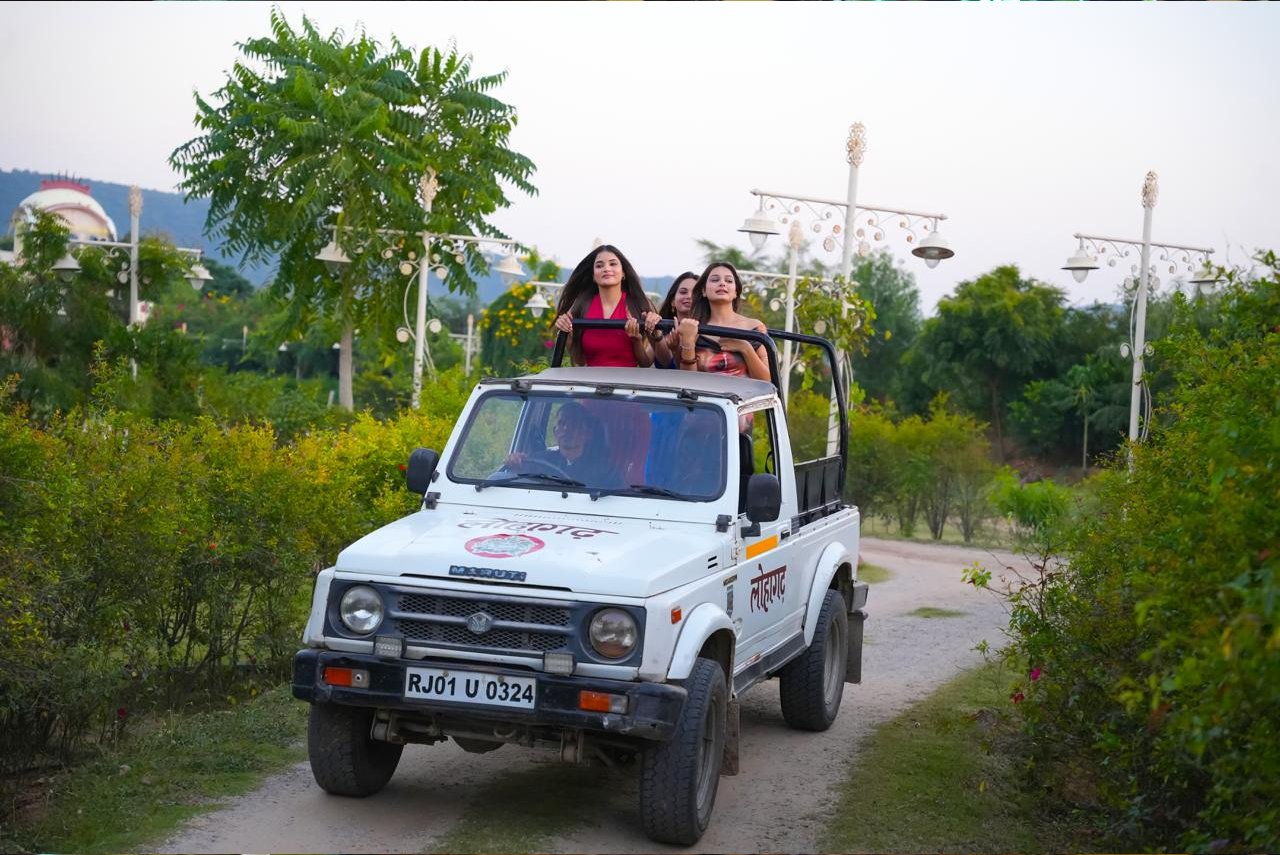
Families can combine this natural environment with luxury accommodation and recreational choices. Depending on availability and operational schedules, guests may explore activities such as swimming, cycling, indoor games, outdoor sports, archery, bird watching, camel riding, horse riding and open-jeep experiences. Children can remain engaged while parents relax, and different generations can select activities according to their interests and comfort.
This flexibility becomes especially valuable when children, parents and grandparents are travelling together. A thoughtfully selected Family Resort in Jaipur should provide more than family-sized accommodation; it should offer suitable activities, comfortable dining, natural surroundings and enough variety for every generation to enjoy the stay differently without losing the feeling of travelling together.
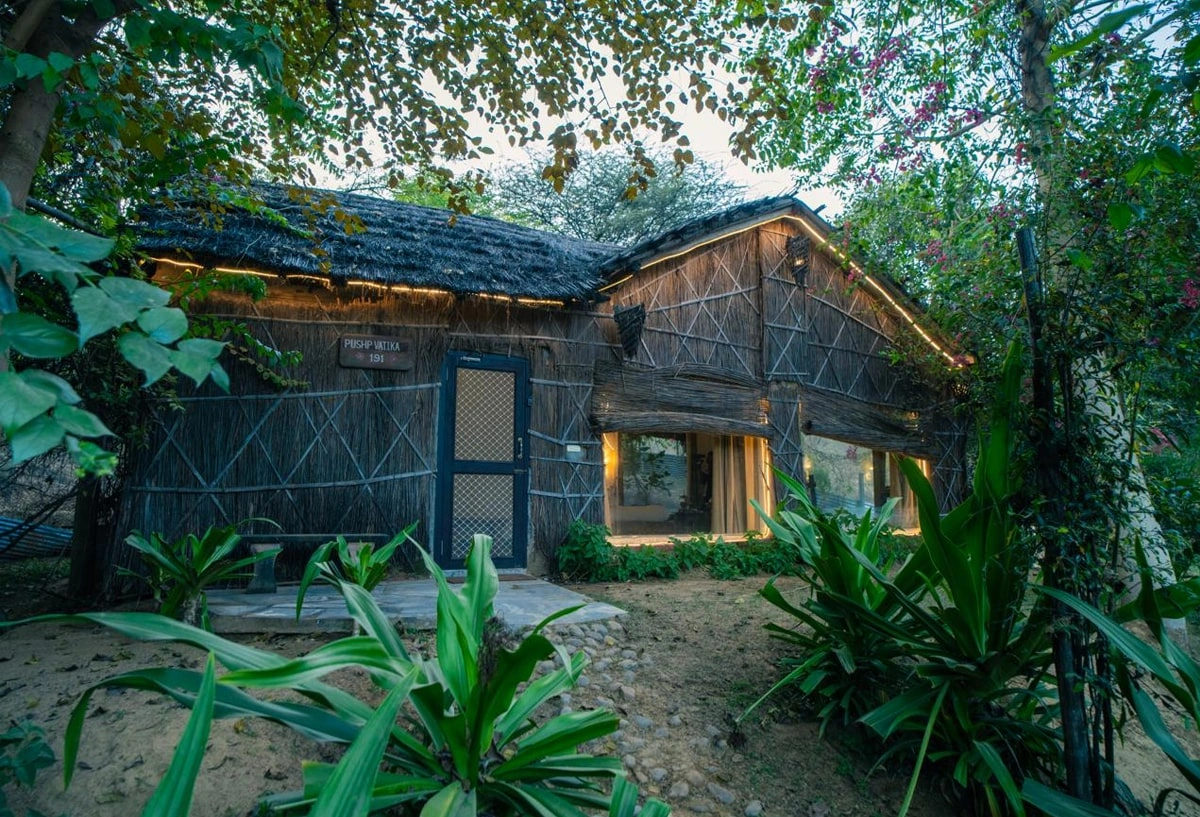
Lohagarh Fort Resort also offers varied accommodation experiences, including rooms, suites, cottages, villas and luxury tents. Selected categories include private pools, mini pools or jacuzzis, allowing families and couples to choose a stay based on privacy, group size and occasion. This variety makes the property suitable not only as a place to sleep after sightseeing, but as an active part of the Jaipur experience.
Food, Activities and Time Together
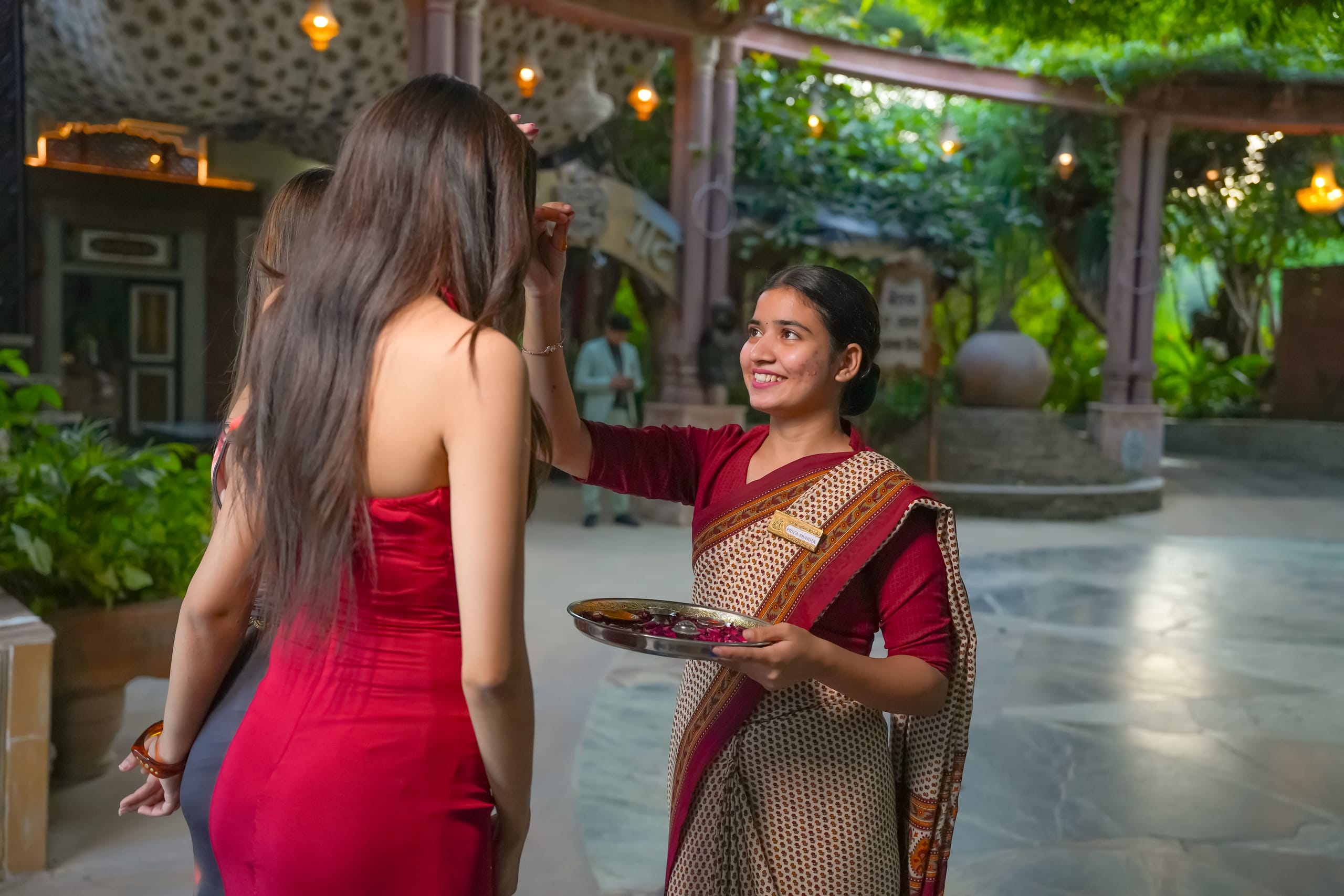
Dining becomes particularly important after a day of travel and sightseeing. A family should not have to begin another journey simply to find a comfortable meal. At Lohagarh Fort Resort, food and hospitality can become part of the slower evening experience, allowing family members to sit together, share impressions from the day and enjoy the transition from Jaipur’s heritage attractions to the peaceful surroundings of Kukas.
The combination of food, activities and nature gives every generation options. A child may be more excited about swimming or outdoor games than another palace visit. Parents may prefer a walk through the greenery or time beside the pool, while grandparents may simply want a comfortable setting for conversation. A complete family experience does not require everyone to participate in the same activity at every moment. It requires an environment where different preferences can exist without separating the family entirely.
This balance is particularly useful during a short visit. When time is limited, changing locations repeatedly can reduce enjoyment. A resort that brings accommodation, recreation, food and nature together allows the family to experience more without continuing to travel across the city.
When Should a Family Choose a Resort-Based Finish?
A resort-based conclusion to the day may be especially suitable when:
- ✅ The family has arrived after a long train, flight or road journey.
- ✅ Young children need recreation after monument visits.
- ✅ Parents or grandparents require a quieter afternoon.
- ✅ Summer weather makes extended outdoor sightseeing uncomfortable.
- ✅ The family wants to combine Jaipur’s heritage with nature.
- ✅ Travellers prefer a relaxed meal instead of another crowded attraction.
- ✅ The trip is intended to create family time rather than only cover landmarks.
- ✅ The family plans to stay overnight and continue travelling the following day.
This does not mean families should replace Jaipur’s heritage with a resort stay. The two experiences can complement one another. A thoughtfully selected fort or palace provides history and cultural understanding, while the resort offers nature, comfort and the time required to absorb the day.
The transition from Jaipur’s historic monuments to a property influenced by Rajasthan’s architectural and cultural character can make the journey feel more connected. Choosing a Heritage Resort in Jaipur allows travellers to continue experiencing a sense of place through design, hospitality, food and atmosphere, even after the formal sightseeing portion of the day has ended.
Before Leaving Home: Final Family Checklist
A short trip leaves little room for avoidable confusion. Before departure, confirm that the following arrangements are complete:
- ✅ Travel tickets and identification
- ✅ Hotel or resort reservation
- ✅ Taxi, private vehicle or pickup arrangement
- ✅ Current weather forecast
- ✅ Attraction opening information
- ✅ Online tickets, where appropriate
- ✅ Medicines and basic first-aid items
- ✅ Water and light snacks
- ✅ Comfortable footwear
- ✅ Sun or rain protection
- ✅ Phone chargers and power banks
- ✅ Children’s essentials
- ✅ Meal and dietary requirements
- ✅ Return tickets or onward travel
- ✅ One alternative activity
Families should also share important booking details with more than one adult. If all tickets, addresses and contact information remain on a single phone, a discharged battery or connectivity problem can create unnecessary difficulty.
Conclusion: Enjoy Jaipur Instead of Counting Attractions
A memorable Jaipur day is not measured by the number of monuments appearing in the family’s photographs. It is shaped by good preparation, thoughtful choices, comfortable travel, engaging heritage, enjoyable food and sufficient time to slow down. When tickets, accommodation, transportation and priorities are arranged from home, the family can arrive with clarity rather than confusion.
Jaipur offers enough history and culture for many return visits, so there is no need to force every fort, palace and market into a single day. Choose the experiences that feel most relevant, leave behind those that do not suit the family and allow relaxation to remain part of the journey. With this approach, one day can feel complete—not because the family has seen everything, but because everyone has genuinely enjoyed what they chose to experience.
Frequently Asked Questions
Is one day enough to enjoy Jaipur with family?
Yes, one day can provide a meaningful introduction to Jaipur when the family selects experiences carefully. Instead of attempting every fort, palace and market, choose one major heritage attraction, one shorter landmark stop, a comfortable meal and one cultural or recreational experience. This approach allows children, adults and senior family members to enjoy the destination without excessive rushing.
Which fort should a family choose in Jaipur?
The appropriate fort depends on the family’s interests and physical comfort. Amber Fort is widely valued for its architecture and royal history, Jaigarh Fort appeals to visitors interested in military heritage, and Nahargarh Fort offers elevated views over Jaipur. Families should consider walking requirements, available time, weather and whether they have visited any of these forts previously.
What should families skip during a short Jaipur visit?
Families should consider skipping multiple forts, distant attractions and repeated experiences that require travelling across the city. An attraction should also be reconsidered if it involves more walking than senior members can comfortably manage or if outdoor conditions are unsuitable. Skipping a place does not mean it lacks value; it simply allows the family to protect the quality of the overall day.
How should families plan Jaipur sightseeing with children?
Parents should choose a limited number of attractions, explain heritage through simple stories and include food, rest and recreational breaks. Children can be encouraged to take photographs, observe architectural details or choose one activity. Water, snacks, sun protection and essential child-care items should remain easily accessible throughout the day.
Can elderly parents comfortably participate in a Jaipur day trip?
Yes, provided the day is planned around their mobility, medication, meals and comfort. Families should arrange dependable transportation, avoid excessive stairs and walking, keep water and medicines available and allow sufficient rest. One thoughtfully experienced attraction is usually more enjoyable than several rushed visits.
Is it better to stay in a Jaipur city hotel or a resort near the city?
The right choice depends on the purpose of the trip. A central hotel may suit travellers focused almost entirely on urban sightseeing, while a resort can provide greenery, activities, open surroundings and more opportunities to relax. Families seeking a balance between Jaipur’s heritage and shared leisure time may find a resort near the city more suitable.
How can Lohagarh Fort Resort complement a short Jaipur visit?
Lohagarh Fort Resort allows families to combine heritage sightseeing with greenery, Aravalli surroundings, luxury accommodation, recreational activities and relaxed dining. Instead of spending the complete day moving through crowded locations, guests can explore a carefully selected part of Jaipur and then enjoy nature, food and family time within the resort environment.