May 23, 2026
Travel has changed dramatically in recent years. Across the world, people are moving beyond traditional vacations and searching for experiences that feel authentic, immersive, and emotionally memorable. Modern travelers no longer want to simply visit a destination; they want to feel connected to its culture, history, architecture, and lifestyle. This shift has transformed the global tourism industry and created growing demand for destinations that offer meaningful luxury rather than standardized hospitality.
In India, Rajasthan has emerged as one of the strongest examples of this transformation. Known for its royal history, majestic forts, colorful traditions, and timeless hospitality, the state continues attracting travelers from every corner of the world. Among Rajasthan’s many historic cities, Jaipur has become one of the most influential centers for luxury tourism, destination weddings, wellness retreats, and heritage hospitality.
Today, Jaipur represents far more than a tourist city. It has become a destination where heritage experiences blend naturally with modern comfort, creating an atmosphere that appeals to international tourists, wedding planners, families, cultural explorers, and luxury travelers alike. The increasing popularity of the Premium Resort in Jaipur category reflects how travelers now prioritize experience-driven hospitality over ordinary accommodation.
The Evolution of Luxury Tourism in Modern Travel
Luxury travel was once associated mainly with expensive hotels, premium dining, and exclusive amenities. While comfort remains important, travelers today increasingly define luxury through experiences that feel personal and emotionally engaging.
People now seek destinations that offer:
- Cultural authenticity
- Peaceful natural surroundings
- Architectural beauty
- Wellness-focused experiences
- Local cuisine and traditions
- Personalized hospitality
- Privacy and open spaces
This evolution has encouraged travelers to choose heritage-inspired resorts over conventional urban hotels. In places like Jaipur, hospitality becomes deeply connected to local identity, giving visitors an experience that feels unique rather than generic.
Rajasthan’s royal legacy naturally supports this type of tourism because its architecture, traditions, and cultural atmosphere already provide a strong emotional connection for travelers.
Why Jaipur Continues to Attract Global Travelers
Jaipur has steadily grown into one of India’s most internationally recognized travel destinations. Its inclusion in the famous Golden Triangle circuit with Delhi and Agra makes it highly accessible for global tourists visiting India for the first time.
However, accessibility alone does not explain Jaipur’s popularity. The city offers an atmosphere that few destinations can replicate. Historic forts rise above the landscape, traditional markets remain active with artisans and craftsmen, and heritage-inspired hospitality creates an environment where visitors can experience Rajasthan’s royal traditions in a contemporary setting.
International travelers are particularly drawn to Jaipur because the city combines historical richness with modern infrastructure. Visitors can enjoy cultural sightseeing during the day and return to peaceful luxury resorts that provide comfort, wellness, and immersive experiences.
This combination makes Jaipur attractive to:
- Luxury family travelers
- International wedding groups
- Cultural tourists
- Long-stay visitors
- Travel photographers
- Wellness seekers
- Experiential travelers
The city’s ability to cater to multiple travel segments simultaneously has strengthened its position as one of India’s most versatile tourism destinations.
Heritage Hospitality and the Search for Authentic Experiences
One of the strongest global tourism trends today is the growing demand for authentic hospitality experiences. Travelers increasingly prefer accommodations that reflect the culture and identity of the destination rather than generic luxury environments that look identical worldwide.
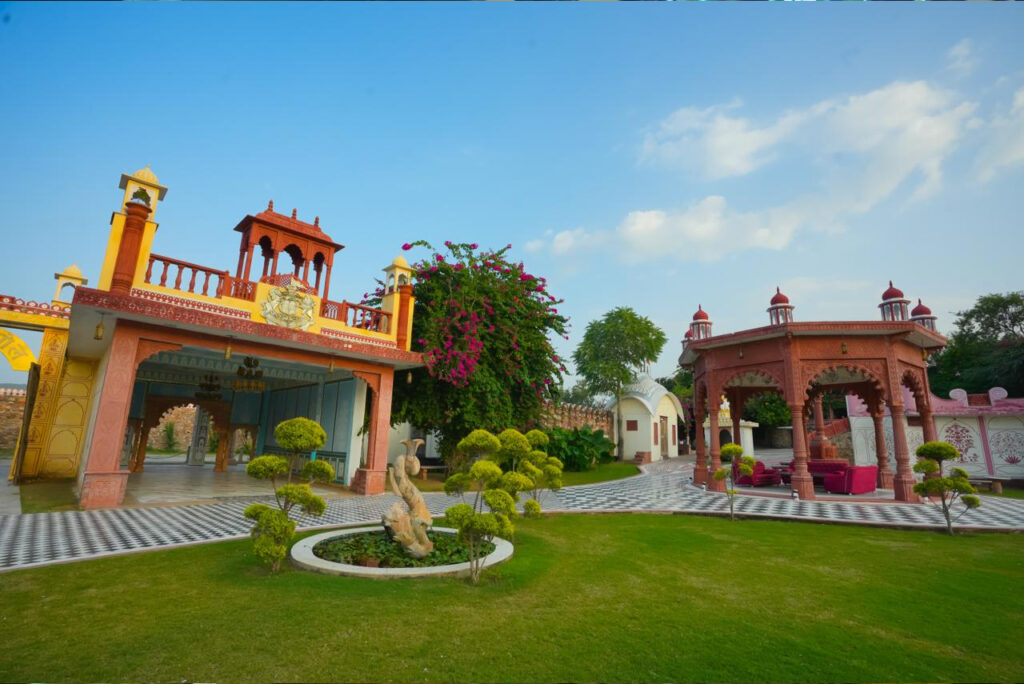
Heritage-inspired resorts in Rajasthan offer something emotionally distinctive. Traditional courtyards, carved stone architecture, decorative arches, royal-style interiors, and handcrafted design elements help guests feel immersed in local history and culture.
For many travelers, this sense of atmosphere becomes more memorable than luxury itself. A stay in Jaipur is no longer only about comfort; it becomes an opportunity to experience Rajasthan’s royal lifestyle through architecture, hospitality, cuisine, and cultural traditions.
This is one of the reasons heritage resorts have become increasingly popular among international tourists seeking experiential travel rather than ordinary vacations.
Destination Weddings and Jaipur’s Royal Atmosphere
The destination wedding industry in India has experienced remarkable growth over the past decade. Modern couples increasingly want celebrations that feel immersive, visually memorable, and emotionally unique.
Rajasthan naturally supports this trend because its architecture and cultural heritage already create a grand ceremonial atmosphere. Jaipur, in particular, has become one of the most preferred wedding destinations in the country.
The rise of the Grand Wedding Resort Jaipur experience reflects how weddings today are no longer limited to a single ceremony. Instead, they have evolved into multi-day cultural celebrations where guests enjoy hospitality, entertainment, wellness experiences, regional cuisine, and heritage-inspired settings.
Destination weddings in Jaipur often feature outdoor ceremonies, traditional folk performances, royal-style receptions, curated dining experiences, and immersive guest activities. For international guests attending Indian weddings, these events often become cultural travel experiences in themselves.
The city’s heritage-inspired hospitality allows weddings to feel deeply connected to Rajasthan’s traditions while still maintaining modern luxury standards.
The Growing Importance of Nature and Open Spaces
Another major shift in modern tourism is the increasing preference for peaceful environments surrounded by nature. Travelers today prioritize privacy, greenery, and open landscapes far more than before.
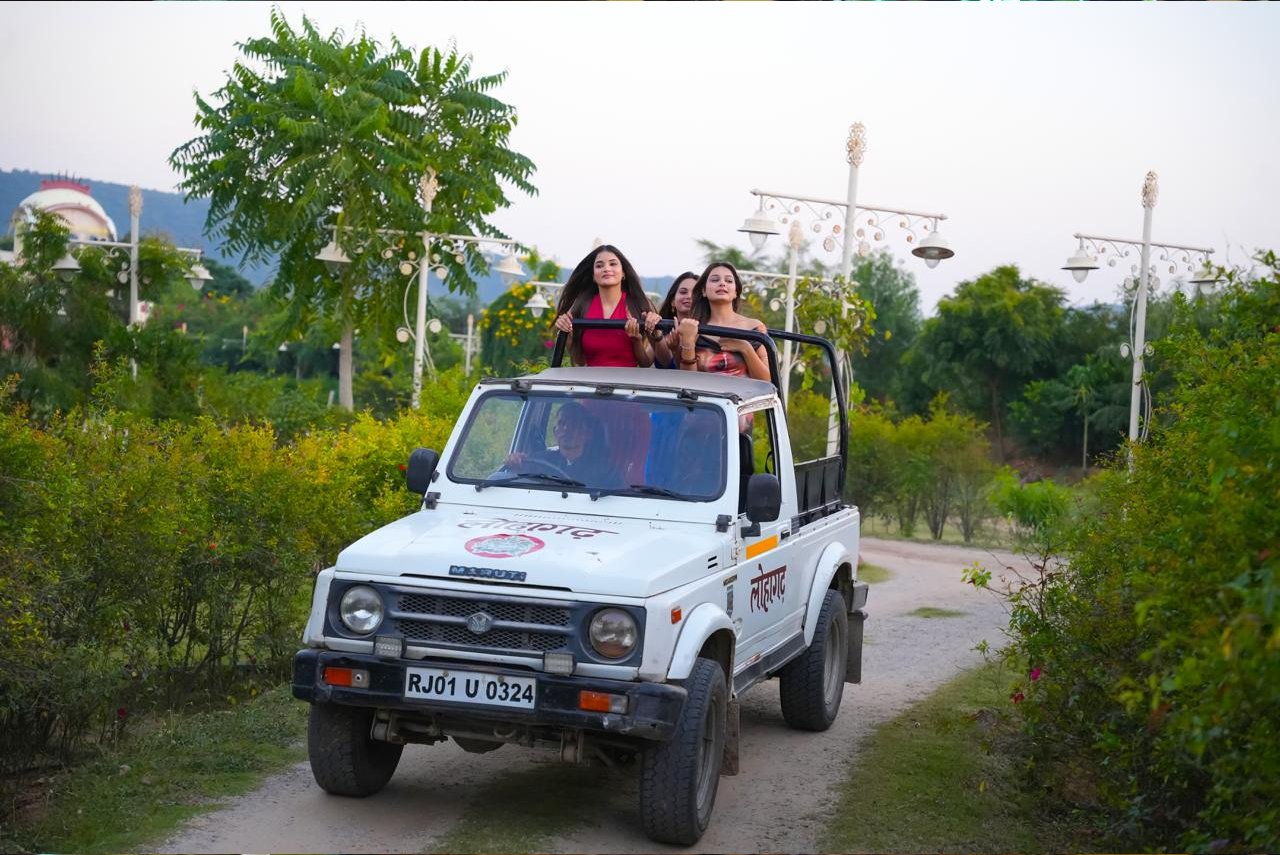
Many visitors now prefer resorts located slightly away from crowded city centers because they provide relaxation alongside premium hospitality. Heritage resorts in Jaipur’s surrounding regions often combine natural landscapes with traditional architecture, creating environments ideal for luxury vacations, family gatherings, and wellness-focused stays.
This trend accelerated further after global travel patterns shifted toward wellness and mindful tourism. Travelers increasingly look for destinations where they can disconnect from fast-paced urban life and reconnect with slower, more meaningful experiences.
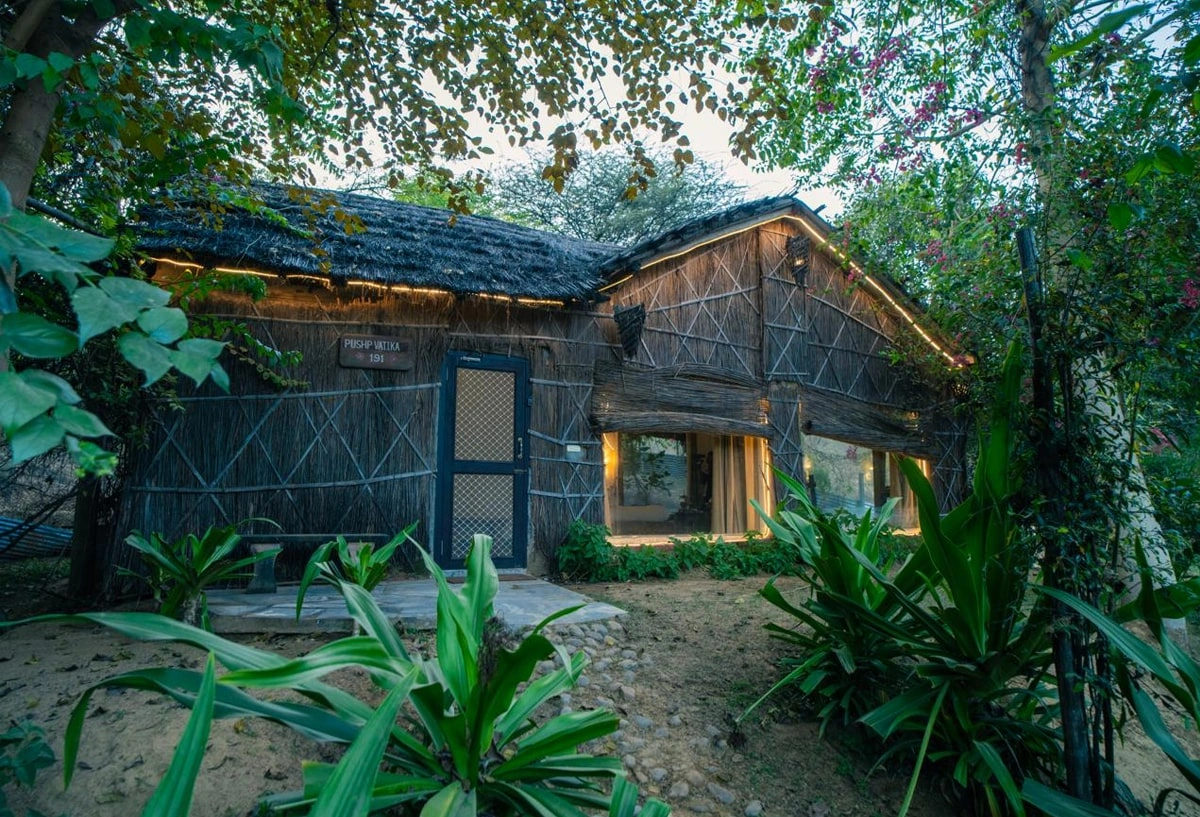
As a result, resorts designed around open courtyards, gardens, natural landscapes, and outdoor experiences have become especially attractive to modern travelers.
Cultural Immersion as a Core Travel Experience
One of Rajasthan’s greatest strengths is its ability to integrate culture into everyday hospitality. Travelers no longer want to experience culture only through monuments or museums. Instead, they seek destinations where local traditions remain visible and active.
Heritage hospitality in Jaipur often includes experiences connected to:
- Traditional folk music and dance
- Regional culinary traditions
- Local handicrafts and textiles
- Village-inspired cultural activities
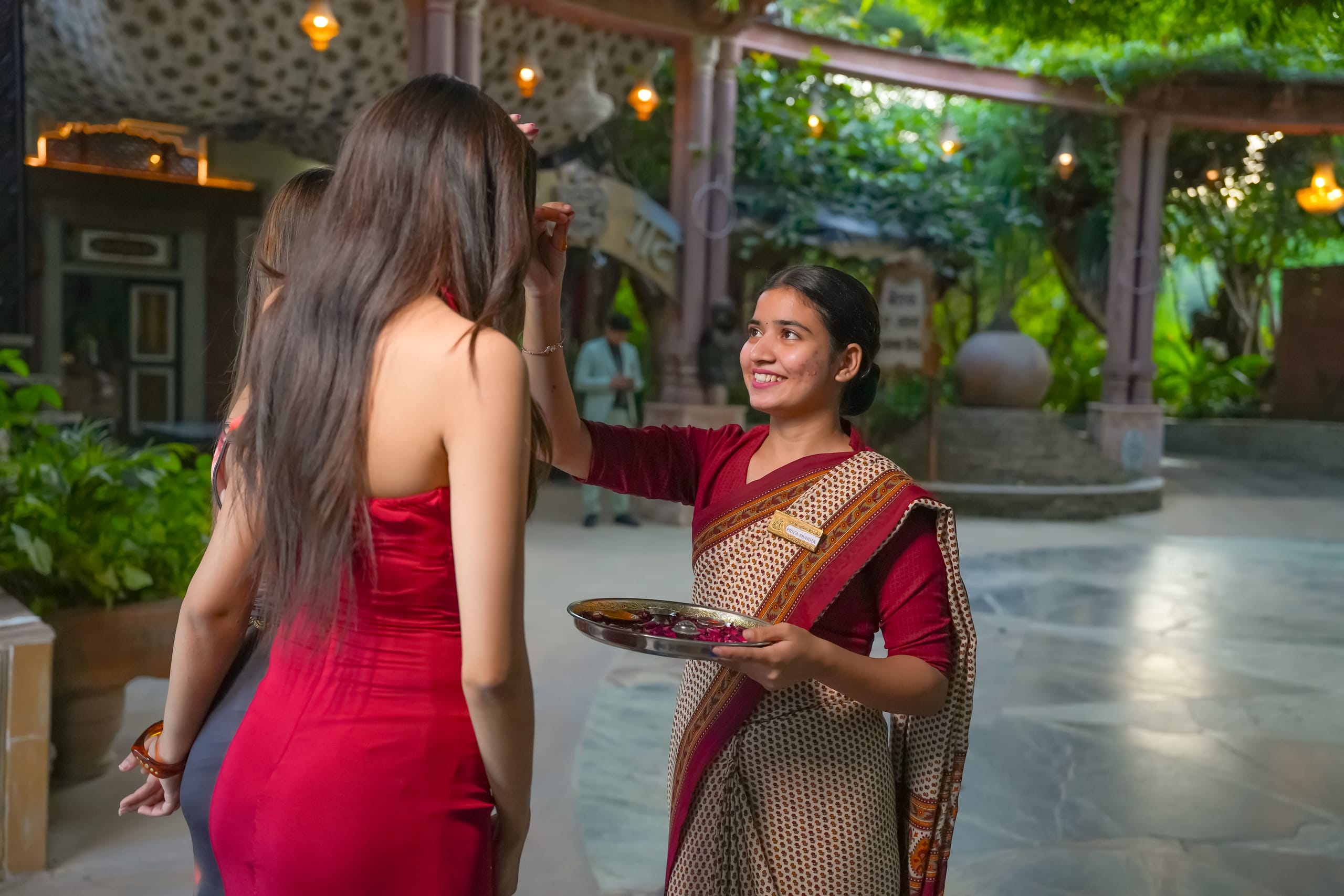
- Traditional welcome ceremonies
- Rajasthani storytelling and performances
These experiences create emotional memories that travelers often value more than luxury amenities themselves.
The rise of social media and visual storytelling has also increased interest in culturally immersive travel. Travelers increasingly choose destinations that offer meaningful experiences alongside visually distinctive environments.
Jaipur’s heritage resorts naturally align with this trend because they provide both atmosphere and authenticity.
Wellness Tourism and Emotional Travel
Global tourism trends increasingly show that travelers are seeking emotional well-being and relaxation alongside sightseeing. Wellness tourism has therefore become one of the fastest-growing sectors within luxury travel.
Jaipur’s calm landscapes, heritage-inspired environments, and slower pace make it highly suitable for wellness-focused vacations. Many resorts now integrate wellness experiences such as yoga, meditation, Ayurvedic therapies, spa treatments, and nature-based relaxation programs.
International tourists particularly appreciate destinations where wellness feels connected to local traditions rather than purely commercialized experiences.
This shift has positioned Rajasthan as not only a heritage tourism destination but also a place for mental relaxation and holistic travel experiences.
Architecture and the Emotional Power of Heritage Design
Architecture plays a powerful role in shaping travel memories. Unlike standardized modern hotels, heritage-inspired resorts in Rajasthan create environments that feel timeless and visually distinctive.
Traditional Rajput architecture, handcrafted details, stone facades, decorative balconies, and courtyard-centered layouts help guests feel connected to Rajasthan’s historical identity.
For many travelers, architecture becomes part of the emotional experience of the destination itself. This is especially important in today’s digital travel culture, where visual storytelling heavily influences tourism decisions.
Travel photography, wedding cinematography, and social media content have further increased interest in destinations that offer unique architectural beauty and cultural atmosphere.
Sustainable Tourism and Cultural Preservation
Modern travelers are becoming increasingly aware of sustainability and responsible tourism practices. Many now prefer destinations that preserve local culture while supporting communities and traditional craftsmanship.
Heritage hospitality often contributes positively to sustainable tourism by preserving architectural traditions, supporting local artisans, promoting regional cuisine, and creating employment opportunities connected to cultural tourism.
This approach helps maintain Rajasthan’s identity while also strengthening its tourism economy for the future.
Travelers today are more likely to appreciate destinations where luxury exists alongside authenticity, sustainability, and cultural preservation.
Rajasthan’s Timeless Place in Global Tourism
Rajasthan continues to attract travelers because it offers something emotionally powerful that many destinations cannot replicate. The state combines history, architecture, hospitality, culture, and atmosphere in a way that feels immersive rather than commercialized.
For global visitors, the idea of a Royal Heritage Stay Rajasthan experience represents more than accommodation. It symbolizes an opportunity to experience royal traditions, artistic heritage, cultural richness, and timeless hospitality within one journey.
This emotional depth is one of the biggest reasons Rajasthan remains highly relevant in the evolving global tourism industry.
The Future of Heritage Tourism in Jaipur
The future of Jaipur’s hospitality and tourism industry appears exceptionally strong because the city aligns closely with emerging global travel preferences. Travelers increasingly prioritize experiences that feel authentic, culturally rich, visually memorable, and emotionally meaningful.
As experiential tourism, wellness travel, and destination celebrations continue growing worldwide, Jaipur’s heritage hospitality sector is expected to remain one of India’s most influential luxury tourism segments.
For travelers seeking history, culture, comfort, and immersive experiences within one destination, Jaipur continues offering a rare combination that modern tourism increasingly values — authenticity blended with timeless elegance.