July 13, 2026
Planning a vacation for one person is relatively simple. Planning one that satisfies three generations travelling together is an entirely different challenge. A child dreams of endless play, a teenager hopes for freedom and excitement, parents often look for convenience and opportunities to relax, while grandparents usually appreciate comfort, accessibility, and peaceful surroundings. Although these expectations may seem different, the most memorable family holidays somehow manage to satisfy everyone without making the experience feel like a compromise.
What many travelers never realize is that this harmony rarely happens by accident. Long before the first suitcase reaches the reception desk, hospitality professionals have already begun thinking about how every stage of the guest journey will unfold. They consider movement across the property, meal timings, activity planning, room allocation, guest safety, maintenance schedules, and dozens of operational details that remain invisible throughout the stay. The result is an experience that feels effortless precisely because so much thoughtful planning happens behind the scenes.
For anyone searching for the Best Family Resort in Jaipur, understanding these hidden aspects offers a far better way to evaluate a destination than simply comparing room categories or swimming pools. The true quality of a family resort lies not only in what guests can see, but also in the countless decisions that quietly make every generation feel comfortable, welcomed, and cared for.
A Family Vacation Is Actually Many Different Vacations Happening at the Same Time
Hospitality professionals rarely think about a family as a single group with identical expectations. Instead, they understand that every family holiday consists of several individual journeys happening simultaneously. Young children are naturally curious and energetic. They want open spaces to explore, games to play, and activities that keep them engaged. Teenagers often seek independence, opportunities for adventure, and experiences worth sharing with friends. Parents usually balance everyone else’s expectations while hoping to enjoy meaningful moments together without constantly solving logistical problems. Grandparents may prioritize peaceful environments, comfortable seating, shorter walking distances, and opportunities to spend quality time with younger family members.
Creating a vacation that genuinely satisfies every generation therefore requires much more than simply adding more facilities. Hospitality teams must understand how different age groups experience the same environment in completely different ways. A beautifully landscaped garden, for example, may become a playground for children, a photography spot for teenagers, a quiet walking path for grandparents, and a peaceful conversation space for parents. Great resorts recognise these different perspectives and intentionally create environments where multiple experiences can coexist naturally instead of competing with one another.
This philosophy has become increasingly important as family travel continues to evolve. Multi-generational vacations are no longer occasional celebrations but a growing travel preference, making thoughtful hospitality design more valuable than ever before.
Great Family Resorts Are Designed Around Human Behaviour, Not Just Buildings
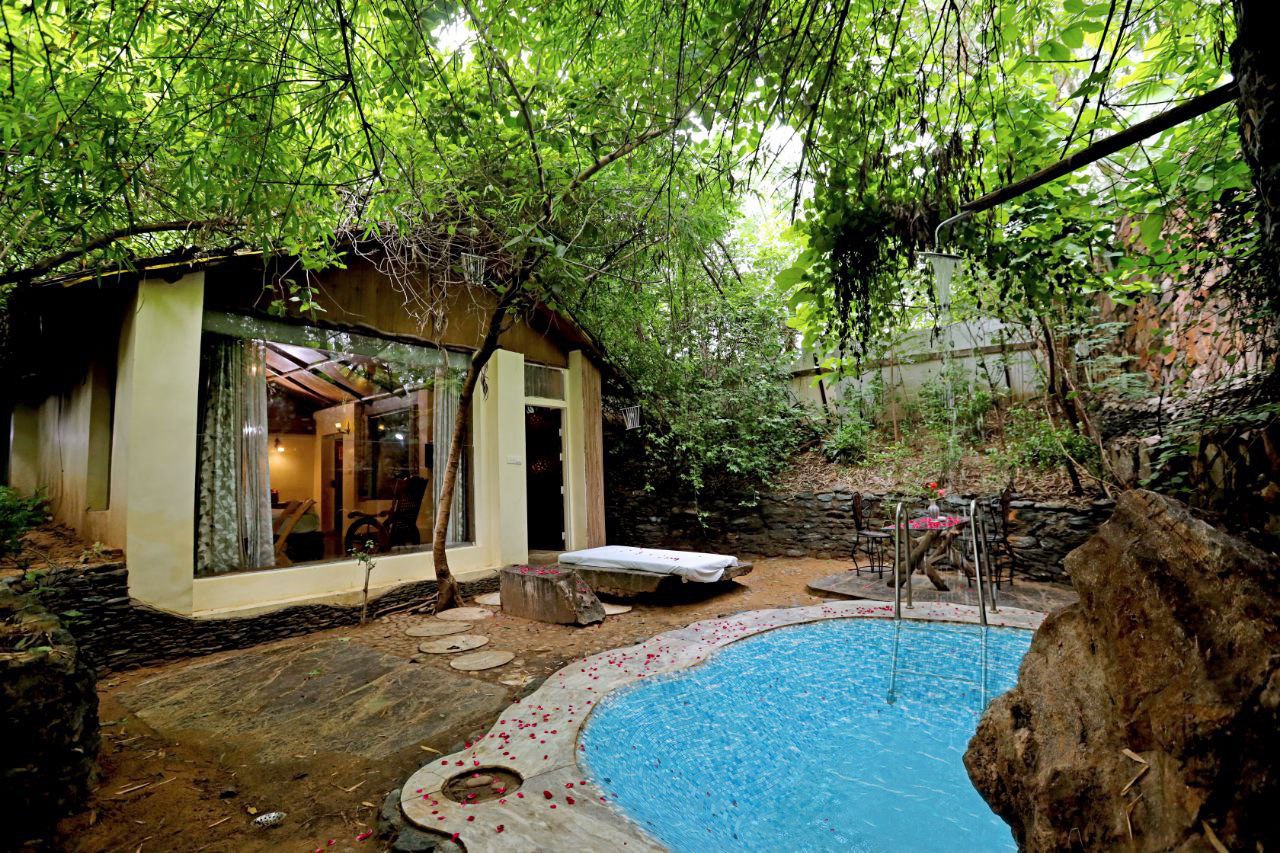
When travelers admire a beautiful resort, they often notice architecture, landscaping, luxurious rooms, or attractive recreational facilities. These visible features certainly contribute to the overall experience, but they represent only one part of a much larger design philosophy. Hospitality teams spend considerable time understanding how guests move, interact, rest, dine, and create memories throughout their stay.
This process involves observing patterns rather than simply constructing spaces. Families naturally gather in some locations while seeking privacy in others. Children instinctively gravitate toward open lawns, activity areas, and places that encourage exploration. Adults often appreciate shaded seating, scenic viewpoints, and convenient access to dining facilities. Elderly guests benefit from clear pathways, comfortable resting areas, and environments where they can participate without feeling physically challenged.
Rather than forcing every guest into the same experience, thoughtful resort planning allows each generation to enjoy the property differently while still remaining connected as a family. This subtle balance is one of the defining characteristics of a well-designed Luxury Family Resort in Jaipur, where hospitality extends far beyond aesthetics into the careful orchestration of guest comfort and shared experiences.
Hospitality Begins Long Before Check-In
To many travelers, a vacation officially begins the moment they step into the resort lobby. For hospitality professionals, however, the journey often starts days—or sometimes weeks—before arrival. Reservations are reviewed, room preferences are verified, special requests are communicated to different departments, and operational teams begin preparing for guests they have not yet met.
Consider a family travelling with grandparents, young children, and parents. Their requirements are naturally different from those of a honeymoon couple or a corporate group. Hospitality teams evaluate how the stay can become smoother for everyone involved. They may consider the practicality of room locations, identify mobility requirements, note dietary preferences, prepare for celebrations such as birthdays or anniversaries, and ensure that relevant information reaches the departments responsible for delivering each part of the guest experience.
This preparation is not about creating luxury through extravagance; it is about reducing uncertainty. Every question answered before arrival becomes one less interruption during the holiday. Every detail shared internally allows the family to spend more time enjoying one another instead of solving logistical challenges. Guests often describe such vacations as “effortless,” rarely realizing how much thoughtful planning made that feeling possible.
Hospitality teams understand that memorable vacations are created not only through grand experiences but also through the quiet elimination of everyday inconveniences. When these invisible preparations come together successfully, families can focus on what they travelled for in the first place—being together.
The Invisible Coordination That Guests Rarely Notice
One of the most remarkable aspects of hospitality is that its greatest successes often go unnoticed. Guests remember the comfort of a clean room, the ease of finding a dining table, or the welcoming atmosphere throughout the property, but they seldom witness the coordination required to make those experiences appear seamless.
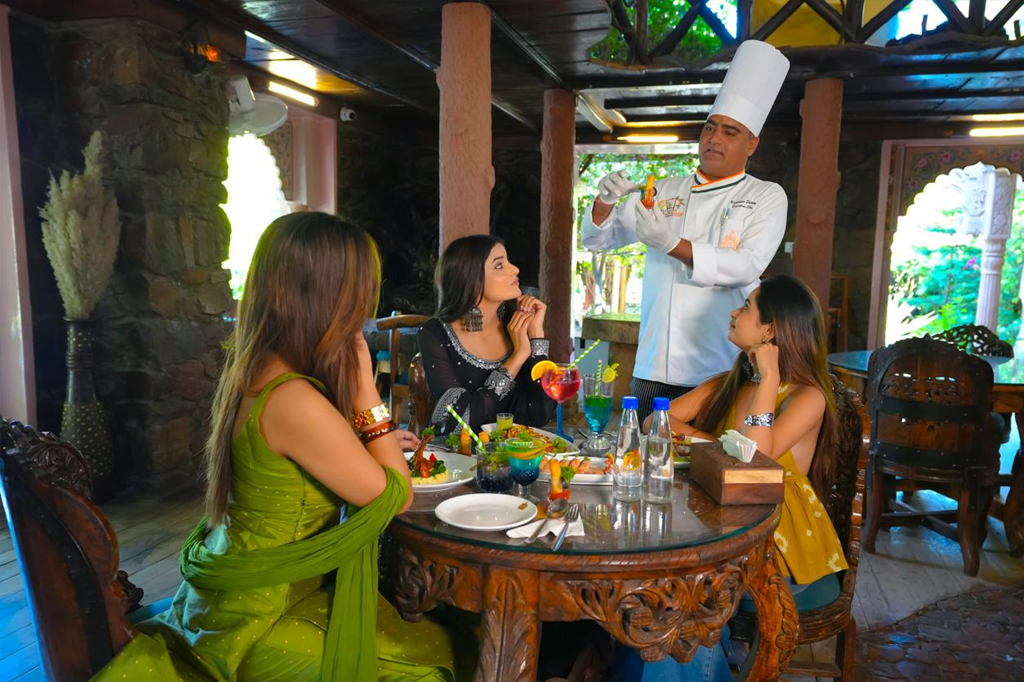
A family vacation depends on far more than a single department. Front Office welcomes arriving guests and serves as the central communication point. Housekeeping prepares accommodations while maintaining cleanliness throughout the stay. Culinary teams coordinate meal services across changing dining periods. Engineering quietly ensures that lighting, air conditioning, water systems, and recreational facilities continue operating reliably. Landscapers preserve the natural surroundings that contribute to the resort’s atmosphere, while security teams maintain a safe environment without making guests feel restricted.
These departments rarely operate independently. Instead, hospitality functions as a carefully connected network where information constantly flows from one team to another. If a family extends their stay, changes dining plans, celebrates a special occasion, or requests assistance, multiple departments often adjust their work simultaneously. Guests may experience this as simple efficiency, but behind the scenes it reflects continuous communication and shared responsibility.
The best hospitality operations are therefore measured not by how busy the teams appear but by how invisible their coordination becomes. When everything works together naturally, guests remain focused on their holiday rather than the processes supporting it.
Why Timing Is One of Hospitality’s Most Powerful Tools
Time is one of the least visible yet most influential elements of a successful family vacation. Every guest follows a different daily rhythm, and hospitality teams constantly work to accommodate these natural patterns without creating unnecessary congestion or disruption.
Morning often begins differently for every generation. Young children may wake early with endless energy, while teenagers prefer a slower start. Some grandparents enjoy peaceful walks before breakfast, whereas parents may simply hope to enjoy a relaxed meal before the day’s activities begin. Throughout the day, these routines continue to evolve as guests move between recreation, dining, relaxation, and social gatherings.
Hospitality professionals therefore think carefully about how different experiences interact with one another. Activity schedules, restaurant operations, housekeeping routines, maintenance work, and recreational spaces all require thoughtful timing to minimise interruptions while maximising guest comfort. Even seemingly simple decisions—such as when common areas receive maintenance or when recreational facilities are prepared—can influence how smoothly families experience the property.
When these rhythms are managed successfully, the resort feels calm even during busy periods. Guests rarely think about operational scheduling because they are free to enjoy the moments that matter most. This ability to organise countless moving parts without drawing attention to them represents one of hospitality’s most valuable yet least recognised skills.
Designing Experiences Instead of Simply Offering Activities
Many travelers compare resorts by counting the number of activities listed on a website. While variety certainly matters, experienced hospitality professionals understand that memorable family vacations depend far more on how experiences are designed than on how many options are available.
An activity becomes meaningful when it creates interaction between generations rather than simply occupying time. A cycling trail may encourage parents and children to explore together. Outdoor sports can transform friendly competition into shared laughter. Nature walks often become opportunities for grandparents to share stories while younger family members discover unfamiliar surroundings. Evening gatherings frequently provide space where the entire family reconnects after spending parts of the day pursuing individual interests.
The objective is not constant entertainment but balanced engagement. Families need moments of excitement, opportunities for quiet conversation, spaces for relaxation, and experiences that naturally bring everyone together without forcing participation. Hospitality teams therefore think beyond individual facilities and focus instead on how guests move from one experience to another throughout the day.
This approach has become increasingly relevant as modern travel shifts away from simply visiting destinations toward creating meaningful experiences. A successful Family Vacation in Jaipur is remembered less for the number of attractions visited and more for the quality of moments shared between generations. Hospitality succeeds when those moments happen naturally, supported by thoughtful planning rather than elaborate schedules.
Designing Comfort Before Guests Even Ask for It
One of the defining characteristics of exceptional hospitality is anticipation. Rather than waiting for guests to identify every need, experienced hospitality teams constantly observe how people naturally interact with their surroundings and design experiences that reduce unnecessary effort. The goal is not to impress guests with dramatic gestures but to quietly remove the small inconveniences that can interrupt a relaxing holiday.
Families move differently from other travelers. Children often explore spaces with curiosity, parents divide their attention between relaxation and responsibility, while grandparents usually appreciate environments that are easy to navigate and physically comfortable. A thoughtfully designed resort considers these differences long before the first guest arrives. Wide pathways encourage comfortable movement, seating areas provide opportunities to pause, open landscapes reduce the feeling of congestion, and intuitive layouts help families find their way without constantly relying on maps or directions.
Comfort also comes from predictability. Guests naturally feel more relaxed when they understand how the property functions, where facilities are located, and how easily they can move between different experiences. Hospitality professionals therefore think beyond architecture and focus on how every physical space supports human behaviour. The most successful environments rarely demand attention because they simply feel natural to use. Guests leave with pleasant memories without ever realising how carefully those surroundings were planned.
Emotional Comfort Is Just as Important as Physical Comfort
When people discuss hospitality, conversations often focus on luxurious rooms, elegant interiors, or recreational facilities. While these elements certainly influence guest satisfaction, memorable family vacations are equally shaped by something less visible—emotional comfort.
Families travel together not simply to stay in beautiful places but to reconnect with one another. Parents hope to spend uninterrupted time with their children, grandparents look forward to creating new memories with younger generations, and siblings often enjoy moments that everyday routines rarely allow. Hospitality teams cannot manufacture these emotions, but they can create environments where they naturally flourish.
A peaceful breakfast without unnecessary delays, an evening where everyone can sit together comfortably, open spaces that encourage conversation, and activities that involve multiple generations all contribute to emotional wellbeing. These experiences create opportunities rather than obligations. Instead of scheduling every moment, good hospitality provides the freedom for families to shape their own memories.
This philosophy explains why two resorts with similar facilities can leave completely different impressions on guests. One may offer impressive infrastructure but feel impersonal, while another quietly encourages connection, conversation, and shared experiences. The difference lies not in the number of amenities but in how thoughtfully hospitality has been designed around people rather than products.
The Most Valuable Souvenirs Are the Moments Families Share
Ask people about their favourite family vacation several years after it happened, and they rarely begin by describing room dimensions or architectural details. Instead, they remember early morning walks, conversations over dinner, children learning something new, evenings filled with laughter, or simple moments when everyone finally had time to be together.
These memories are valuable because they are shared across generations. A grandparent may remember watching grandchildren explore nature with excitement. Parents often recall the rare opportunity to slow down and enjoy uninterrupted family time. Children usually remember experiences that felt adventurous, joyful, or completely different from everyday life. Although each generation remembers different details, they all connect those memories to the same journey.
Hospitality teams understand this better than most people realise. Their responsibility extends beyond providing accommodation; they help create an environment where meaningful moments can happen naturally. They cannot predict which memory each guest will treasure, but they can increase the likelihood that those moments occur by designing comfortable spaces, maintaining smooth operations, and encouraging experiences that bring families together.
Perhaps this is why the most successful family vacations continue to be discussed long after they end. The destination eventually fades into the background, while the emotions attached to shared experiences remain part of family conversations for years.
The Future of Hospitality Belongs to Multi-Generational Travel
Family travel has evolved significantly over the past decade. Holidays that once focused primarily on sightseeing now increasingly prioritise time spent together. Instead of travelling as small nuclear families, many people choose to include grandparents, extended relatives, and close friends, transforming vacations into opportunities for strengthening relationships across generations.
This shift has important implications for hospitality. Resorts can no longer assume that every guest seeks the same type of experience. Flexibility, accessibility, diverse recreational opportunities, thoughtful dining, peaceful landscapes, and operational efficiency have become essential components of modern family hospitality. Properties that successfully adapt to these changing expectations are better positioned to create experiences that feel welcoming to every age group rather than appealing to only one segment of travelers.
The future of hospitality is therefore unlikely to be defined solely by architectural grandeur or luxurious facilities. Instead, it will increasingly depend on how well hospitality professionals understand human relationships and design environments where families can spend meaningful time together. As expectations continue to evolve, thoughtful planning and genuine guest understanding will remain among the industry’s greatest strengths.
Final Thoughts
Behind every memorable family vacation is far more than attractive accommodation or impressive recreational facilities. There is careful planning, thoughtful coordination, operational discipline, and a deep understanding of how different generations experience the same journey in completely different ways. Hospitality professionals quietly bring together dozens of moving parts so that guests rarely need to think about them.
Children seek adventure, teenagers appreciate freedom, parents value convenience, and grandparents often look for comfort and meaningful time with loved ones. Successfully balancing these different expectations requires much more than excellent service—it requires empathy, preparation, and an operational philosophy built around people rather than processes.
Perhaps that is the greatest achievement of hospitality. When it is performed exceptionally well, guests never notice the complexity behind their experience. They simply return home believing they enjoyed a wonderful vacation, carrying with them memories that remain part of family conversations long after the journey has ended.
Frequently Asked Questions
Why do some family resorts create better experiences for all age groups?
The difference usually lies in hospitality planning rather than the number of facilities available. Well-designed family resorts consider how children, teenagers, parents, and grandparents use the same spaces differently. By thoughtfully coordinating accommodation, dining, activities, accessibility, safety, and guest services, hospitality teams create an environment where every generation can enjoy the vacation in its own way while still sharing meaningful experiences together.
What makes multi-generational travel different from a regular holiday?
Multi-generational travel involves balancing the expectations of several age groups simultaneously. Young children often seek active experiences, teenagers value independence, parents appreciate convenience, and grandparents usually prioritise comfort and relaxation. Hospitality professionals therefore design operations that support these diverse needs without allowing one group’s preferences to overshadow another’s, creating a more harmonious family vacation.
Why is operational planning important in a family resort?
Guests usually experience only the visible side of hospitality, but smooth vacations depend heavily on behind-the-scenes coordination. Reservations, housekeeping, food service, engineering, maintenance, security, and guest services work together continuously to minimise disruptions. Effective operational planning allows families to spend less time dealing with practical concerns and more time enjoying each other’s company throughout their stay.
How do hospitality teams help families create lasting memories?
Hospitality teams cannot create emotions directly, but they can provide the right environment for meaningful experiences to happen naturally. Comfortable spaces, thoughtful activity planning, welcoming dining areas, safe surroundings, and smooth daily operations encourage families to spend quality time together. These shared moments often become the memories guests continue discussing long after their vacation has ended.
What should travelers look for when choosing a family-friendly resort?
Instead of focusing only on luxury facilities, travelers should evaluate how well a resort supports different generations. Consider the overall layout, accessibility, dining flexibility, recreational options, safety standards, open spaces, guest reviews, and the property’s ability to accommodate varied family needs. Resorts that combine thoughtful hospitality with well-planned operations generally provide more enjoyable and memorable experiences than those relying solely on attractive amenities.