June 30, 2026
Why Most Families Overvalue Decor While Ignoring What Actually Drives Wedding Success
When most families begin planning a wedding, the first discussions usually revolve around décor themes, floral concepts, entry designs, stage styling, lighting, and visual aesthetics. Social media has amplified this mindset significantly over the past few years. Platforms like Instagram, Pinterest, and wedding reels have conditioned people to judge weddings largely through visuals. Families spend months discussing floral ceilings, luxury mandaps, royal entries, and cinematic photo corners because these are the most visible elements of a celebration. Beautiful décor undoubtedly adds charm and enhances the visual appeal of a wedding, but one of the biggest misconceptions in modern wedding planning is believing that décor alone determines wedding success.
Experienced hospitality professionals understand a completely different reality. Guests may admire décor during the event, but months later they rarely remember the exact floral palette or stage design. What they remember is whether check-in felt smooth, whether rooms were ready on time, whether food service flowed efficiently, whether elderly family members felt comfortable, whether the transitions between events felt seamless, and whether the overall celebration felt relaxed or stressful. In reality, weddings are remembered more for comfort and execution than for aesthetics alone.
This is where operations become the true foundation of great weddings. Strong operational systems reduce stress for families, improve guest comfort, prevent disruptions, and ensure every celebration feels effortless. Great hospitality often goes unnoticed because when operations are excellent, guests simply feel that everything is running perfectly without realizing the complexity behind the scenes. That invisible excellence is what separates ordinary venues from truly exceptional wedding destinations, especially when families are searching for a wedding resort in Jaipur capable of handling large-scale celebrations smoothly.
The Hidden Operational Engine Behind Every Successful Wedding
A large wedding is essentially a live production involving hundreds of moving parts operating simultaneously. Unlike ordinary social gatherings, weddings combine hospitality, logistics, accommodation, food service, entertainment, technical infrastructure, and highly emotional family interactions within compressed timelines. At any given moment, multiple teams are working together behind the scenes, including front office, housekeeping, kitchen, banquet service, decorators, planners, photographers, technical staff, transport teams, and support vendors.
This complexity increases dramatically as guest count grows. A wedding with 500–1000 guests functions almost like a temporary city. Every guest movement, every food service cycle, every function transition, and every operational handoff must happen in synchronization. If one major system breaks down, the ripple effect can impact the entire celebration.
This is why experienced wedding resorts do not simply prepare venues—they build operational systems designed to manage scale without compromising guest experience.
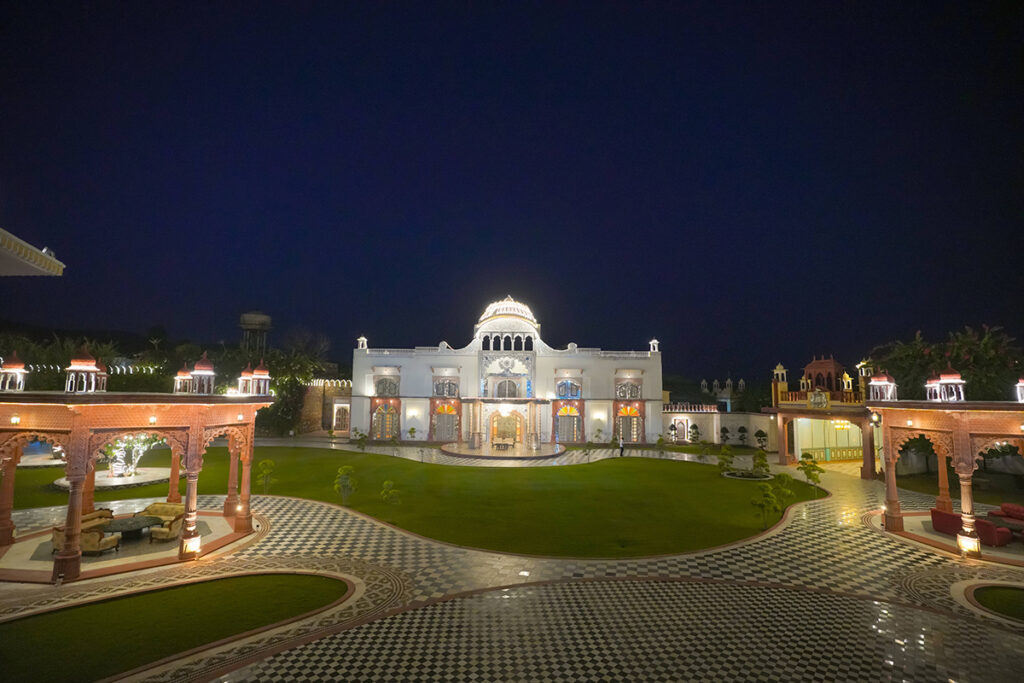
At Lohagarh Fort Resort, this operational complexity becomes even more interesting because the property spans 90 bigha, includes 9 premium wedding venues, and offers 95 luxury rooms, suites, and villas. Managing weddings across a property of this scale requires far more than standard hotel management. It requires advanced planning, crowd distribution, logistics design, and seamless team coordination built through 23+ years of hospitality experience. This is one of the reasons why large-format celebrations increasingly prefer a luxury destination wedding resort in Jaipur instead of conventional banquet-based wedding setups.
Guest Arrival Management: The First Real Test of Wedding Hospitality
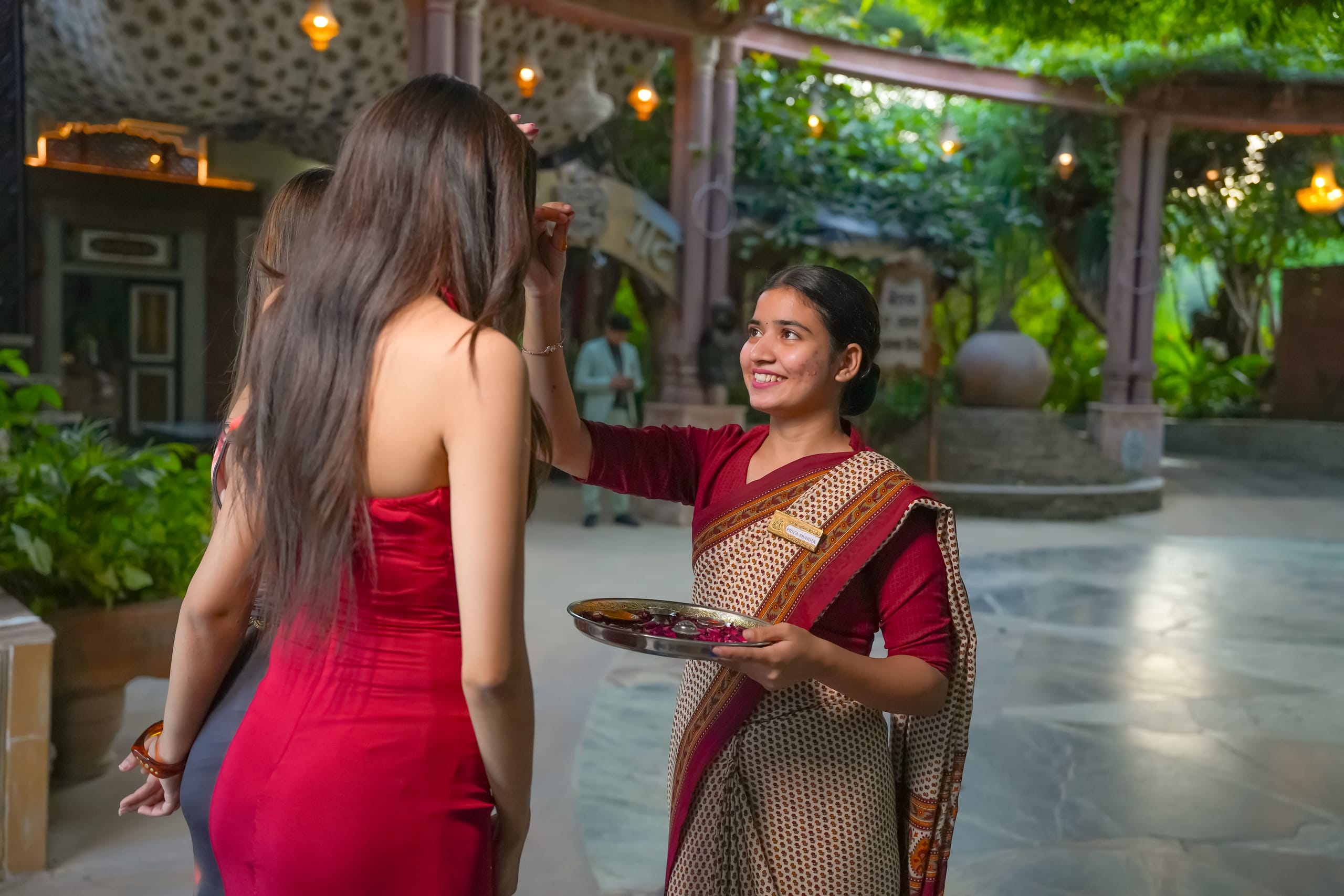
One of the earliest and most underestimated stress points in destination weddings is guest arrival management. Many families assume check-in is straightforward because hotels handle arrivals every day. Wedding arrivals behave very differently from normal resort check-ins. Leisure guests typically arrive gradually over several hours or days, but wedding guests often arrive in concentrated waves. Entire family clusters may arrive within a 30–60-minute window, especially before major functions like haldi, mehendi, or sangeet.
Without preparation, this creates immediate congestion at parking, reception, luggage handling, and room allocation points. Strong hospitality begins long before guests physically arrive at the venue through detailed pre-arrival planning.
Operationally mature venues prepare:
✅ Family-wise room allocation
✅ Elderly-friendly room proximity
✅ VIP fast-track check-in
✅ Luggage movement routes
✅ Welcome desk coordination
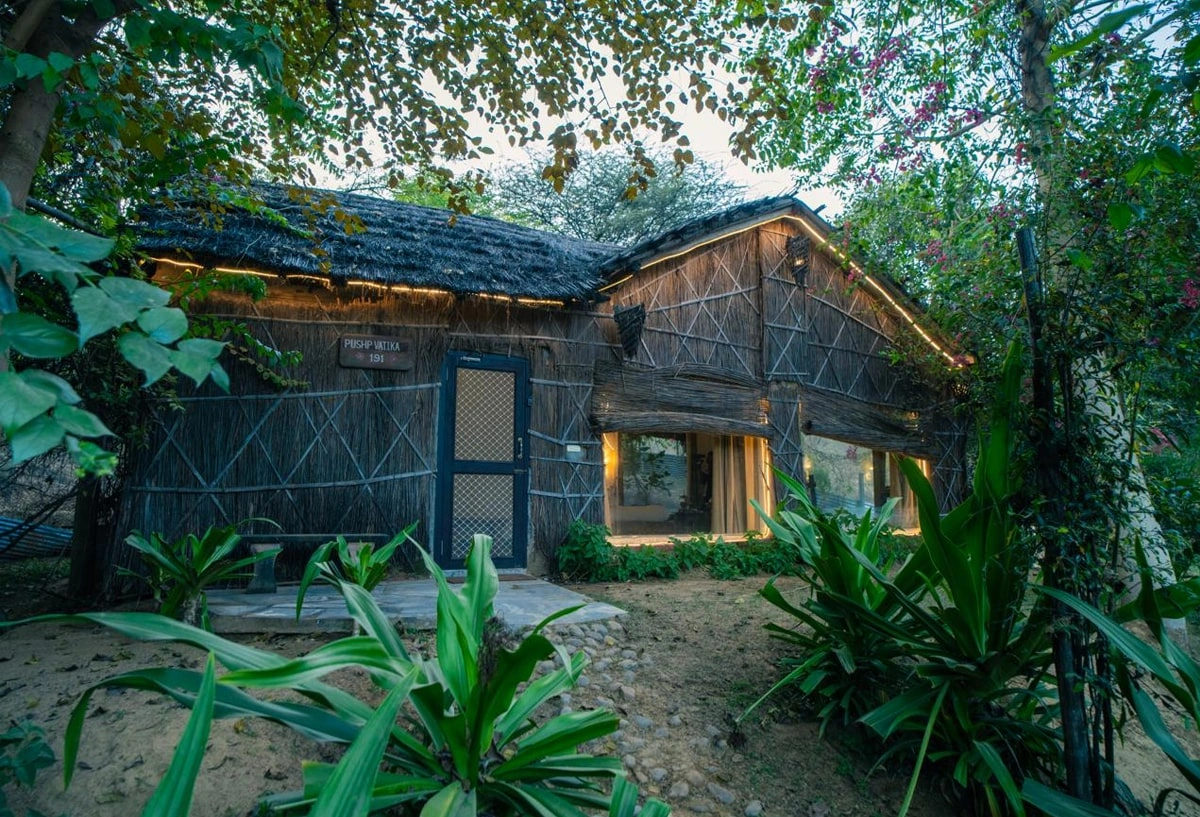
At Lohagarh Fort Resort, this becomes particularly important because large-format weddings often involve multiple family groups staying across different room categories, from suites and villas to premium rooms. Poor arrival planning on a property this large can create unnecessary fatigue before celebrations even begin.
Movement Engineering: The Hidden Science of Guest Flow
This is one of the most overlooked topics in wedding planning. Guests continuously move during weddings between rooms, lawns, banquet halls, dining zones, mandaps, and activity spaces. Poor movement planning creates stress. Even a beautiful property can feel exhausting if guests repeatedly face congestion, long walking distances, or poorly managed transitions.
Experienced wedding resorts think like crowd engineers and evaluate every movement path scientifically.
They assess:
✅ Walking distances
✅ Transition bottlenecks
✅ Guest circulation loops
✅ Service movement routes
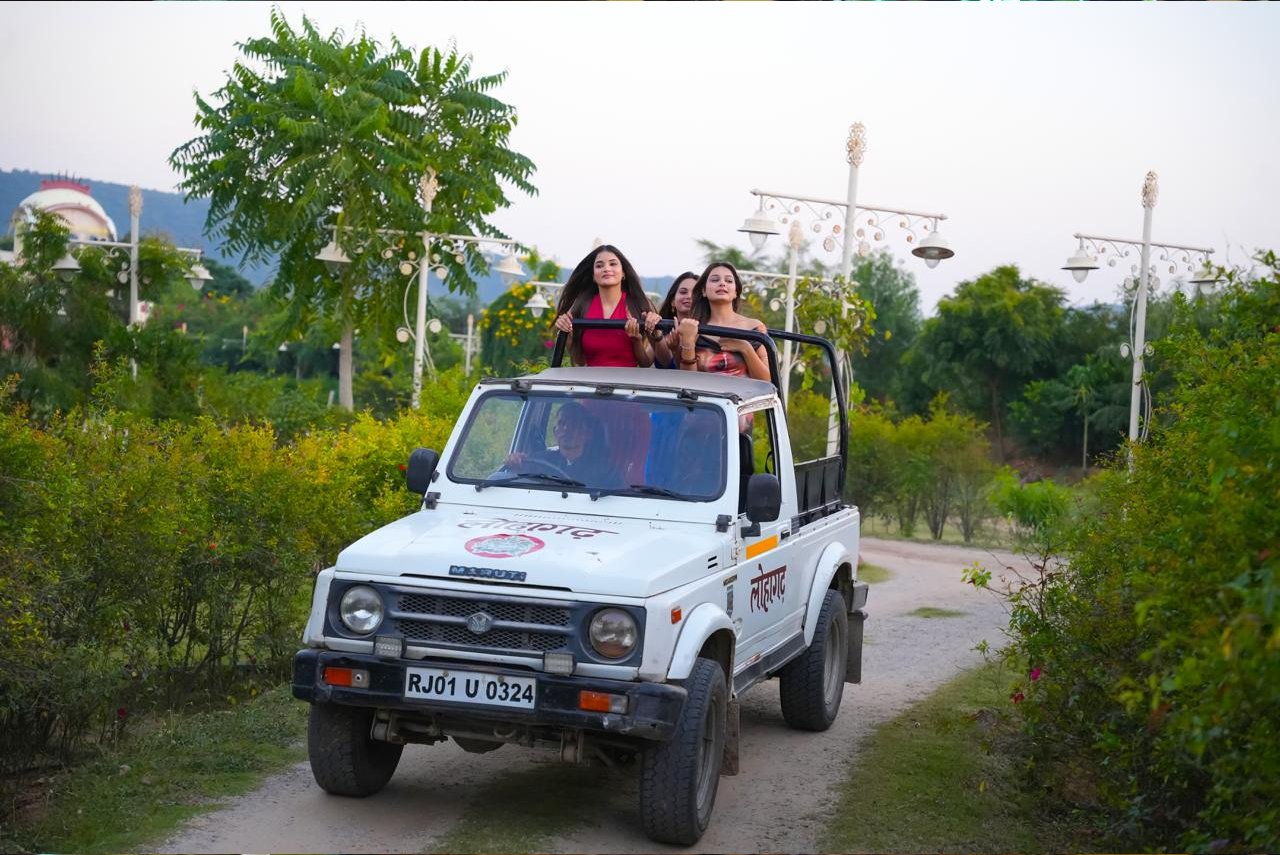
✅ Buggy access
✅ Emergency accessibility
At Lohagarh Fort Resort, movement engineering becomes especially critical because the resort offers 9 different wedding venues, each designed for different event sizes and experiences. A family may host haldi at Flower Valley Garden, sangeet at Maharaja Surajmal Banquet Hall, varmala at Krishna Angan, and reception at Aravalli View Garden. Managing smooth guest movement between such diverse spaces requires serious operational planning. This is exactly why venue size alone does not guarantee luxury—movement design does.
Guest Flow Psychology: Understanding Human Behavior During Weddings
Movement engineering focuses on pathways, while guest flow psychology focuses on behavior. This is a much more advanced concept and rarely discussed outside professional hospitality circles.
Humans do not move randomly in large gatherings. Guests naturally form behavioral patterns. Many pause near entrances, elderly guests avoid long walking routes, children move unpredictably, VIP guests dislike visible waiting, and families naturally cluster around familiar people.
Experienced venues plan around these patterns. If welcome refreshments are placed too close to the entrance, crowding begins immediately. If pathway signage is weak, hesitation increases. If baraat and guest routes overlap poorly, congestion becomes unavoidable. Understanding human behavior allows premium venues to predict crowd pressure before it becomes visible, creating smoother guest experiences.
Food Operations Matter More Than Food Presentation
Food is one of the most emotionally important parts of Indian weddings, yet families often focus heavily on menu selection and too little on service logistics. Beautiful buffet setups may impress visually, but guest satisfaction depends far more on operational execution.
Even premium food loses impact if service becomes chaotic. Long queues, slow replenishment, poor temperature control, delayed live counters, and service confusion quickly reduce guest satisfaction. One of the hardest challenges in wedding hospitality is synchronizing kitchen production with event timelines.
For example, if varmala gets delayed by 45 minutes, should the buffet open on time or wait? Opening too early may reduce food quality, while waiting too long may frustrate guests. These decisions require real-time coordination between kitchen teams, banquet managers, planners, and service staff, and this is where operational maturity becomes highly visible.
Power Load Management: The Invisible Technical Backbone of Luxury Weddings
Almost no family asks about this during venue visits, yet it is one of the most important technical factors in large weddings. Luxury weddings generate enormous power demand because multiple high-load systems run simultaneously.
These include:
✅ Stage lighting
✅ Decorative lighting
✅ LED walls
✅ DJ systems
✅ Sound equipment
✅ Kitchen equipment
✅ Live counters
✅ Guest room AC
✅ Photography production gear
This creates massive power spikes, which is why strong venues invest heavily in power redundancy, generator backup, load balancing, voltage stabilization, and continuous technical monitoring.
At large-scale venues like Krishna Angan (1000 guest capacity) or Aravalli View Garden (800 guest capacity), even minor electrical instability can affect lighting, sound, and event production during crucial moments like varmala or performances. Luxury often depends heavily on technical reliability that guests never consciously notice.
Acoustic Engineering: A Hidden Luxury Factor Almost Nobody Discusses
Sound quality heavily influences guest comfort. Weddings involve DJs, live music, baraat drums, speeches, announcements, and celebration noise. Poor acoustic planning creates fatigue much faster than most people realize.
Key questions include:
✅ Will DJ bass disturb room guests?
✅ Will banquet halls create speech echo?
✅ Can nearby events overlap acoustically?
✅ Will outdoor sound spill disturb rituals?
Poor sound planning mentally exhausts guests and lowers event energy. Experienced wedding resorts carefully design event layouts to reduce sound conflict and maintain comfort, especially for elderly guests and multi-event celebrations.
Weather Contingency Planning Separates Experts from Amateurs
Families often assume weather planning only means rain backup, but experienced hospitality teams know weather risk is much broader.
Operational weather planning includes:
✅ Rain
✅ Strong wind
✅ Dust
✅ Humidity
✅ Temperature shifts
✅ Ground moisture
At a large open property near Jaipur, wind direction and outdoor comfort matter heavily during both winter and summer weddings. Strong winds can damage décor, dust can reduce guest comfort, humidity can affect styling and makeup, and wet flooring can create safety risks. Great hospitality remains proactive by preparing backup systems before problems appear.
Silent Service Infrastructure: Luxury Guests Notice Without Seeing
One hallmark of true luxury hospitality is invisible service. Guests should never feel surrounded by operational chaos, replenishment rush, housekeeping traffic, or service interruptions.
Premium resorts design silent service systems such as:
✅ Back-of-house service routes
✅ Hidden replenishment pathways
✅ Quiet housekeeping movement
✅ Non-disruptive banquet support
✅ Seamless vendor servicing
Luxury service feels premium because operations happen quietly in the background while guest experience remains uninterrupted.
Queue Failure Prevention
Queues destroy luxury perception extremely fast. Guests dislike visible waiting for basic services. Even premium weddings feel poorly managed when queues repeatedly form.
Common queue points include:
✅ Check-in
✅ Buffet counters
✅ Valet
✅ Washrooms
✅ Welcome drinks
Strong operational teams actively design systems to prevent queue formation before it becomes visible. At large-format weddings, queue prevention becomes one of the strongest hidden indicators of operational excellence.
Emotional Pressure Management: The Most Underrated Wedding Skill
This may be the most important operational skill of all. Weddings are emotionally intense environments where parents, siblings, and close family members are already under pressure. Because emotions are elevated, even small logistical issues can trigger major stress.
A delayed room key, misplaced luggage, late makeup schedule, or vendor delay may appear minor from an operational perspective, but within a wedding environment these issues can quickly escalate into anxiety, frustration, and emotional tension across family members. Technical issues often become emotional issues within minutes.
This is why wedding hospitality requires emotional intelligence, not just service execution. The best teams remain calm, communicate clearly, solve problems discreetly, and prevent emotional escalation, ensuring that families stay focused on celebration rather than crisis.
Heat Mapping and Thermal Comfort Planning
This is another advanced operational topic rarely discussed in wedding planning. Thermal comfort directly affects guest energy, especially in destinations like Jaipur where temperatures vary significantly by season and time of day.
Experienced venues study:
✅ Heat accumulation zones
✅ Sun exposure
✅ Wind flow direction
✅ Shade availability
✅ Cooling requirements
At a 90-bigha property like Lohagarh, this helps determine where to place elderly seating, shaded lounges, cooling systems, and comfort zones. Guest comfort is not only emotional but also physical, and physical discomfort can significantly affect event energy.
Crisis Response Matrix: Planning for the Unexpected
Exceptional wedding venues never assume everything will go perfectly. Instead, they prepare for disruptions with predefined response systems.
Professional teams create operational responses for:
✅ Medical emergencies
✅ Vendor delays
✅ AC malfunction
✅ Lost belongings
✅ Child separation
✅ Sudden rain
Having predefined escalation systems dramatically improves recovery speed and reduces chaos during unexpected situations, which is a major indicator of operational maturity.
Why Systems Matter More Than Decor
Ultimately, what separates exceptional wedding venues from average ones is not décor capability but systems capability. Any venue can create a beautiful stage, and any decorator can design visual glamour. However, managing hundreds of guests, dozens of vendors, multiple event timelines, technical infrastructure, emotional family dynamics, and luxury service standards simultaneously requires something far more valuable—operational maturity.
Great wedding hospitality is built on repeatable systems. These systems govern arrivals, room readiness, food flow, vendor coordination, technical reliability, weather response, and guest comfort. When these systems are strong, the wedding feels effortless, and that effortless experience is what guests perceive as true luxury.
Final Thoughts: Great Weddings Are Built on Invisible Excellence
The most successful weddings are not always the ones with the largest décor budgets or the most extravagant floral installations. They are the weddings where everything feels smooth, comfortable, joyful, and stress-free. Guests feel cared for, families remain relaxed, and celebrations flow naturally from one moment to the next.
Beautiful décor creates the first impression, but invisible operational excellence creates lasting memories. Behind every stunning wedding photo lies a complex hospitality engine working quietly in the background to make every moment seamless. That invisible excellence is what truly defines a great wedding and explains why the finest celebrations are remembered not only for beauty, but for flawless execution.
Frequently Asked Questions Families Should Ask Before Booking a Wedding Venue
Does the venue have a proper operational plan for large guest movement?
Families should always ask how the venue manages guest movement between rooms, lawns, banquet spaces, dining zones, and event areas. Smooth movement reduces fatigue and prevents congestion during large weddings.
How does the venue handle weather-related disruptions?
A professional venue should have clear contingency plans for rain, wind, dust, and temperature fluctuations, especially for outdoor celebrations.
Can the venue handle high technical power loads during large events?
Large weddings require heavy power for lighting, sound, cooling, and production systems. Strong venues must have backup power and load balancing.
How is food service managed during event delays?
Families should understand whether the venue can adapt food service timing if ceremonies run late, ensuring food quality remains intact.
Does the venue have crisis management protocols?
Venues should be prepared for medical emergencies, technical failures, lost belongings, weather issues, and other unexpected disruptions.
About the Author
This article is based on real operational insights from the wedding hospitality team at Lohagarh Fort Resort, a premium luxury resort in Jaipur with 23+ years of hospitality excellence, 95 luxury rooms, suites & villas, and extensive experience in destination weddings, large-scale celebrations, and luxury event management across 9 premium wedding venues.