July 14, 2026
Every destination earns its reputation over time. Some become famous because of natural beauty, others because of history, and a few because they continuously adapt to what modern travelers seek without losing the identity that made them special in the first place. Jaipur belongs to the latter category. While millions of visitors still arrive to admire magnificent forts, grand palaces, colorful bazaars, and centuries-old traditions, another transformation has quietly taken place beyond the city’s historic walls. Over the last two decades, Jaipur has emerged as one of India’s most preferred destinations for luxury resorts, destination weddings, family holidays, wellness retreats, and experiential travel.
This evolution was never the result of a single tourism campaign or a sudden hospitality boom. Instead, it developed through the combined influence of geography, royal heritage, modern infrastructure, cultural richness, and the growing expectations of travelers who wanted more than a conventional hotel stay. Today’s visitors increasingly search for destinations where sightseeing blends naturally with relaxation, celebrations, outdoor experiences, and meaningful time spent with family. Jaipur answers that expectation remarkably well because it offers both an extraordinary city to explore and an equally compelling hospitality landscape just beyond the urban center.
Understanding why Jaipur became India’s resort capital helps travelers appreciate that selecting the Best Resort in Jaipur is about much more than choosing a beautiful property. It is about experiencing a destination whose hospitality ecosystem has matured over decades, creating an environment where history, comfort, celebration, and nature coexist in a way few Indian cities can replicate.
A Royal City That Has Welcomed Travelers for Centuries
Long before tourism became an organized industry, Jaipur was already a city designed to welcome visitors. Founded in 1727 by Maharaja Sawai Jai Singh II, the city quickly established itself as a center of administration, commerce, craftsmanship, diplomacy, and culture. Merchants, scholars, artists, royal guests, and international travelers all found their place within its carefully planned streets, vibrant markets, and magnificent palaces.
This long tradition of hospitality created something that cannot be built overnight: a culture of welcoming guests. Even as tourism modernized, Jaipur retained the graciousness associated with Rajasthan’s royal heritage. Visitors were no longer simply checking into accommodation; they were stepping into a destination where storytelling, architecture, cuisine, music, festivals, and local traditions became part of the overall travel experience. That cultural foundation continues to influence how hospitality is practiced across the region today, giving Jaipur a distinct identity that extends beyond luxurious buildings or premium amenities.
Geography Created the Perfect Environment for Resort Development
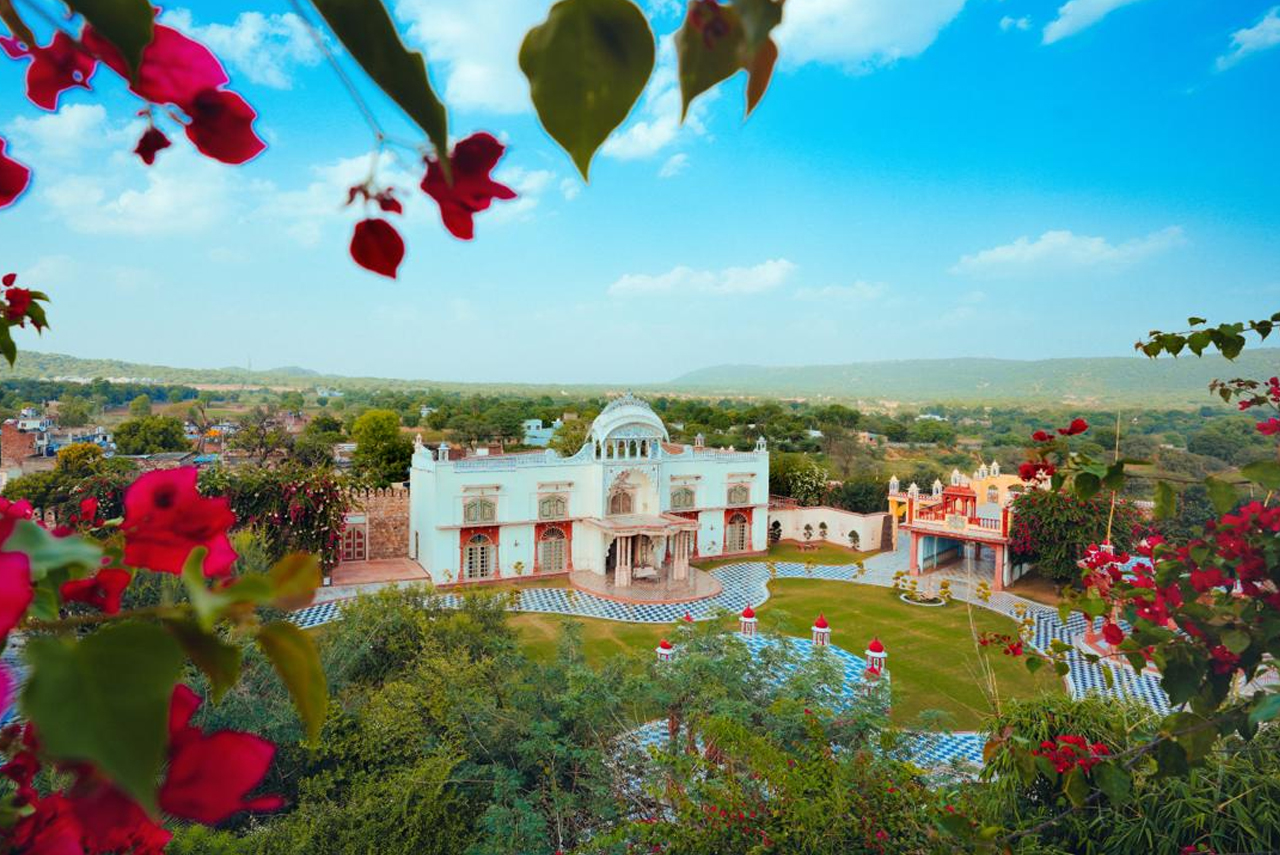
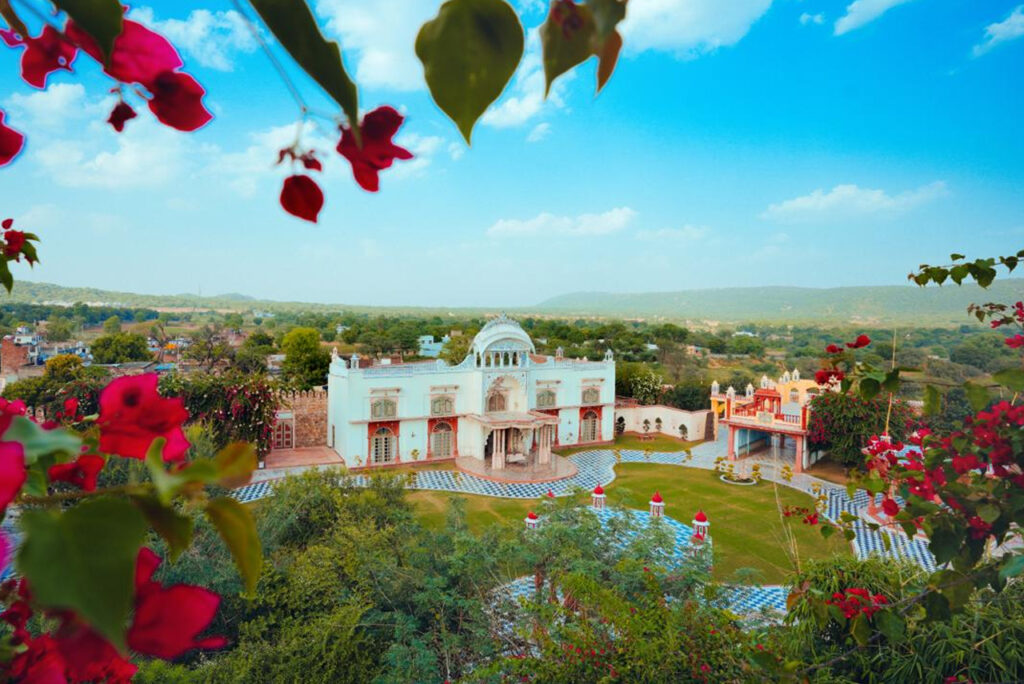
One of the least discussed reasons behind Jaipur’s hospitality success is geography. Unlike densely developed metropolitan cities where expansion opportunities are limited, Jaipur benefits from expansive landscapes around its urban core. These surrounding areas have provided hospitality developers with the freedom to create spacious resort campuses instead of compact vertical properties.
The gentle presence of the Aravalli hills adds another important dimension. Rather than surrounding visitors with concrete skylines, many resort locations enjoy natural backdrops, open horizons, mature trees, and peaceful environments that immediately create a sense of escape without requiring long travel times from the city. This balance between accessibility and tranquility has become one of Jaipur’s defining hospitality strengths.
Large campuses also allow resorts to include landscaped gardens, multiple event venues, recreational spaces, walking trails, family activity zones, and outdoor dining environments that would be difficult to accommodate within city-center hotels. As travel preferences shifted toward experiential stays, Jaipur was already positioned to meet those expectations naturally.
Heritage Architecture Gives Jaipur a Competitive Advantage That Cannot Be Manufactured
Around the world, many destinations have invested heavily in luxury hospitality, but very few possess an architectural identity as distinctive as Jaipur. The city’s palaces, forts, temples, havelis, gateways, courtyards, and traditional neighborhoods create an atmosphere that modern construction alone cannot reproduce. This architectural heritage has influenced not only public monuments but also the design philosophy of many hospitality developments across the region.
Rather than treating architecture as decoration, Jaipur’s hospitality industry has embraced it as part of the guest experience. Traditional arches, carved stonework, open courtyards, landscaped gardens, jharokhas, water features, and regional craftsmanship often become integral elements of resort planning. These design choices allow visitors to experience a sense of place from the moment they arrive, creating an emotional connection that generic luxury properties in many cities struggle to achieve. For travelers, this means the stay itself becomes part of the destination rather than simply a place to sleep between sightseeing trips.
Excellent Connectivity Expanded Jaipur’s Tourism Beyond Traditional Sightseeing
A destination can only become a hospitality hub if people can reach it conveniently. Jaipur’s steady improvement in transportation infrastructure has played a significant role in its transformation into one of India’s leading resort destinations. Regular domestic and international flights, strong railway connectivity, modern highways, and its proximity to Delhi NCR have made the city accessible for both planned holidays and spontaneous weekend escapes.
This convenience has diversified Jaipur’s visitor profile. Families can plan school vacation trips without complicated travel arrangements, couples can organize destination weddings with guests arriving from different parts of India, businesses can host conferences and retreats, and international tourists can include Jaipur comfortably within Rajasthan’s broader travel circuit. The ease of access has encouraged longer stays, allowing visitors to balance sightseeing with leisure instead of treating Jaipur as merely a one-day stop.
The Rise of Destination Weddings Changed the Hospitality Landscape
Few developments have influenced Jaipur’s resort industry as profoundly as the growth of destination weddings. While Rajasthan has always been associated with royal celebrations, changing lifestyle preferences encouraged couples to move beyond traditional banquet halls toward venues that could host an entire wedding experience over several days.
Modern weddings are no longer limited to a single ceremony. Families increasingly organize welcome dinners, haldi celebrations, mehendi functions, sangeet evenings, wedding rituals, receptions, farewell brunches, and informal gatherings within one destination. This shift created demand for hospitality properties capable of accommodating hundreds of guests while offering multiple venues, comfortable accommodations, landscaped outdoor spaces, and professional event coordination.
The city’s established event ecosystem—including decorators, photographers, caterers, entertainers, planners, transport providers, and hospitality professionals—has evolved alongside this demand. Together, these supporting industries have strengthened Jaipur’s reputation as one of India’s most dependable destinations for large celebrations. As a result, travelers searching for a Destination Wedding Resort in Jaipur often find an ecosystem that has years of practical experience managing complex multi-day events rather than isolated venues operating independently.
Family Travel Has Redefined What Modern Resorts Need to Offer
The expectations of family travelers have changed significantly over the past decade. Earlier generations often selected accommodation based primarily on location and room quality, but today’s families evaluate destinations through a much broader lens. Parents look for engaging activities, children expect entertainment, grandparents appreciate accessible environments, and many families now travel with multiple generations together.
This evolution has encouraged resorts in Jaipur to expand beyond accommodation by creating environments where guests can spend meaningful time without constantly leaving the property. Open landscapes, recreational facilities, children’s play areas, outdoor activities, peaceful walking spaces, varied dining experiences, and opportunities to connect with nature have become increasingly important components of the overall holiday experience.
This shift also reflects a broader change in travel philosophy. Families increasingly value experiences they can share together over packed sightseeing schedules. Instead of rushing from one monument to another, many travelers now prefer balancing exploration with relaxation, giving resorts a much larger role in shaping the overall vacation. That transformation has contributed significantly to Jaipur’s reputation as a destination capable of delivering memorable holidays for visitors across different age groups.
Hospitality Standards Continue to Evolve Through Healthy Competition
Another reason Jaipur has strengthened its position as a hospitality destination is the continuous evolution of service standards. As tourism expanded and traveler expectations became more sophisticated, resorts and hotels across the region invested in better facilities, staff development, culinary diversity, guest engagement, landscaping, sustainability initiatives, and operational excellence.
Healthy competition has encouraged innovation rather than complacency. Guests today expect seamless check-ins, personalized service, diverse dining options, clean and well-maintained environments, reliable infrastructure, and experiences that extend beyond accommodation. Hospitality businesses that consistently invest in these areas help raise expectations across the destination, ultimately benefiting visitors regardless of where they choose to stay.
This ongoing commitment to improvement is one of the reasons Jaipur continues to attract repeat travelers. People return not only because of its monuments but because the hospitality ecosystem keeps evolving alongside changing travel preferences, ensuring the destination remains relevant for new generations of visitors.
Nature Plays a Bigger Role in Jaipur’s Resort Identity Than Many Visitors Realize
When people first think of Jaipur, images of magnificent forts, bustling bazaars, royal palaces, and pink sandstone architecture usually come to mind. While these landmarks define the city’s cultural identity, another element quietly shapes the experience of staying in a resort: nature. The areas surrounding Jaipur provide a landscape where hospitality can exist alongside greenery, open skies, mature trees, seasonal flowers, and the ancient Aravalli range. This natural setting creates an atmosphere that is noticeably different from the fast-paced rhythm of city life.
Unlike destinations where hotels compete for limited urban space, many resorts around Jaipur have been able to preserve generous outdoor environments. These spaces encourage guests to begin their mornings with peaceful walks, enjoy breakfast overlooking landscaped gardens, watch birds throughout the day, or simply relax under the shade of old trees. Such experiences may appear simple, but they often become the moments guests remember long after their vacation ends. Hospitality research consistently shows that access to green spaces contributes to relaxation, improved mood, and a stronger sense of escape—qualities that modern travelers increasingly value when planning holidays.
The changing seasons further enhance this relationship between nature and hospitality. Monsoon transforms gardens into vibrant green landscapes, winter offers pleasant weather for outdoor celebrations and dining, while spring introduces colorful blooms that naturally enhance the visual character of many resort campuses. Rather than serving merely as a backdrop, nature becomes an active participant in the guest experience throughout the year.
Resort Experiences Are Replacing Traditional Sightseeing Itineraries
Travel habits have changed dramatically over the past decade. Earlier, visitors often viewed accommodation as a practical necessity—a place to sleep after spending the entire day exploring tourist attractions. Today’s travelers think differently. They increasingly choose destinations where the accommodation itself becomes a meaningful part of the journey.
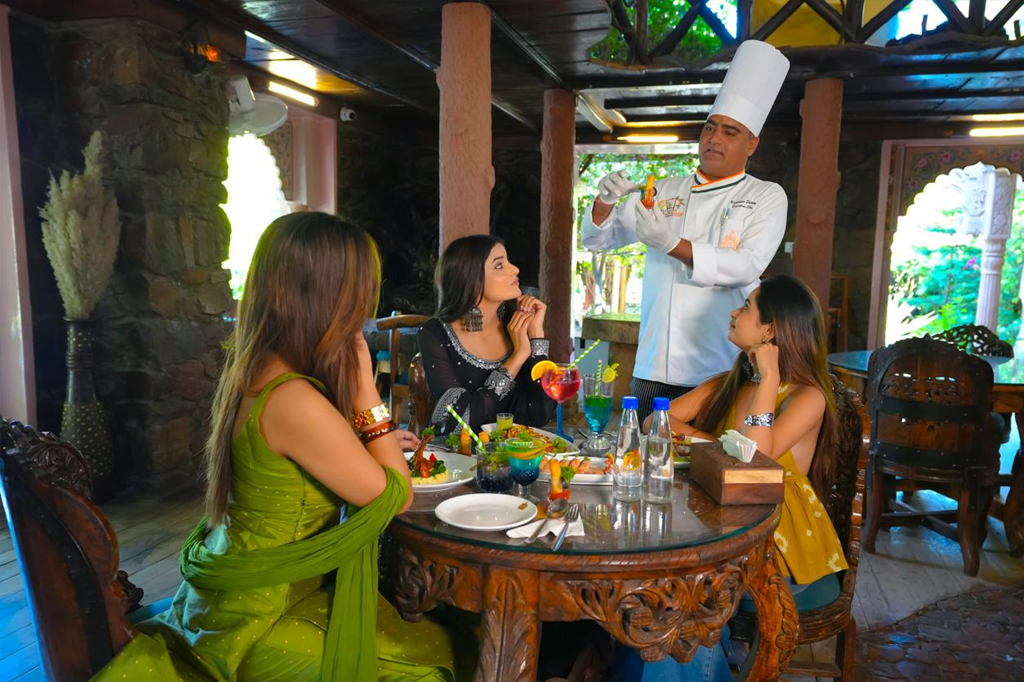
This shift is especially visible in Jaipur. Many visitors still enjoy exploring iconic attractions, but they also dedicate time to enjoying the environment of the resort itself. A leisurely breakfast, an afternoon by the pool, outdoor games with family, an evening cultural performance, a peaceful garden walk, or dinner beneath the open sky are no longer considered secondary activities. They are often the highlights of the vacation.
The growing popularity of “slow travel” has strengthened this trend even further. Instead of attempting to visit every attraction in a limited timeframe, travelers now prefer fewer destinations with richer experiences. They seek opportunities to disconnect from daily routines, spend uninterrupted time with loved ones, and appreciate their surroundings without constantly checking the clock. Jaipur’s resort ecosystem aligns naturally with this evolving travel philosophy because it offers both cultural exploration and opportunities for genuine relaxation within the same destination.
Jaipur’s Hospitality Success Is Built on an Entire Ecosystem, Not Individual Properties
One of the biggest misconceptions about successful tourism destinations is that they depend on a handful of exceptional hotels or resorts. In reality, sustainable hospitality growth occurs only when an entire ecosystem develops together. Jaipur illustrates this principle remarkably well.
Behind every memorable holiday or successful destination wedding is a network of professionals whose work often remains invisible to visitors. Transportation providers ensure smooth arrivals, local artisans preserve cultural authenticity, event planners coordinate celebrations, florists and decorators transform venues, chefs highlight regional cuisine, tour operators curate experiences, photographers capture important moments, and countless hospitality professionals work together to deliver consistent service standards.
This collaborative environment has helped Jaipur mature into one of India’s most reliable tourism destinations. Visitors benefit not only from individual hospitality businesses but also from the collective expertise that has developed across the region over many years. The strength of this ecosystem allows the destination to host intimate family holidays, large-scale corporate retreats, international tourists, and elaborate celebrations with equal confidence.
What the Future Holds for Jaipur as a Resort Destination
The next chapter of Jaipur’s hospitality journey is unlikely to be defined by larger buildings or more luxurious interiors alone. Instead, the industry’s future will increasingly focus on experiences that are meaningful, sustainable, and deeply connected to the destination itself.
Travelers are already showing greater interest in wellness, authentic cultural encounters, eco-conscious practices, local cuisine, outdoor recreation, and slower, more immersive forms of tourism. Resorts are responding by integrating sustainability into daily operations, creating spaces that encourage meaningful interaction with nature, and designing experiences that celebrate Rajasthan’s traditions without compromising modern comfort.
Technology will continue to improve convenience through smoother booking systems, personalized guest services, and smarter operational management. However, the defining characteristic of Jaipur’s hospitality industry is likely to remain unchanged: the ability to combine timeless heritage with evolving guest expectations. That balance has always been the city’s greatest strength, and it will continue to shape its reputation in the years ahead.
Final Thoughts
Jaipur did not become one of India’s leading resort destinations because of a single landmark, a single property, or a single tourism initiative. Its reputation has been built gradually through the combined influence of royal heritage, strategic geography, excellent connectivity, evolving hospitality standards, cultural richness, natural surroundings, and an industry that continues to adapt to changing traveler expectations. Each of these elements reinforces the others, creating a destination where holidays, celebrations, and memorable experiences naturally come together.
For anyone searching for a Luxury Resort in Jaipur, understanding the destination itself is just as important as selecting the property. A truly memorable stay is shaped not only by comfortable accommodation but also by the environment that surrounds it, the traditions that define it, and the hospitality culture that has evolved over generations. Jaipur’s success as India’s resort capital is ultimately the story of a city that has managed to preserve its historic character while embracing the future of travel—an achievement that continues to attract families, couples, and travelers from around the world.
Frequently Asked Questions
Why is Jaipur considered one of India's top destinations for resort vacations?
Jaipur combines royal heritage, excellent connectivity, beautiful landscapes, and a well-developed hospitality industry, making it one of India’s most preferred destinations for resort holidays. Visitors can enjoy historic attractions during the day while relaxing in spacious resorts surrounded by nature, creating a balanced travel experience that appeals to families, couples, and leisure travelers alike.
What makes Jaipur different from other resort destinations in India?
Unlike destinations that rely mainly on beaches or mountains, Jaipur offers a unique combination of heritage architecture, cultural experiences, traditional cuisine, natural surroundings, and modern hospitality. Travelers can experience centuries of history while enjoying contemporary resort amenities, making every stay more immersive and memorable.
Why has Jaipur become a popular destination for family vacations?
Jaipur offers attractions and experiences for every age group. Families can explore forts, museums, wildlife attractions, shopping markets, cultural performances, and spacious resorts that provide recreational activities, open landscapes, and relaxing environments. This variety allows parents, children, and grandparents to enjoy the same holiday together without compromising individual interests.
Why do couples choose Jaipur for destination weddings?
Jaipur provides the perfect blend of royal ambience, excellent hospitality infrastructure, professional wedding services, and convenient accessibility for guests arriving from different cities. The city’s heritage charm, pleasant wedding season, and wide choice of venues have made it one of India’s most sought-after locations for multi-day destination celebrations.
What should travelers consider before choosing a resort in Jaipur?
Travelers should evaluate more than room rates. Important factors include the resort’s location, campus size, guest reviews, cleanliness, dining options, recreational activities, accessibility, family-friendly facilities, safety standards, and overall guest experience. Choosing a property that matches the purpose of the trip often results in a much more enjoyable stay.
Which season is the best time to visit Jaipur for a resort holiday?
October to March is generally considered the most comfortable period for resort vacations because of the pleasant weather, making outdoor dining, sightseeing, weddings, and recreational activities more enjoyable. However, every season offers a different perspective of Jaipur, and travelers can choose based on their preferred experiences and travel plans.
How has Jaipur's hospitality industry evolved over the years?
Jaipur’s hospitality sector has expanded from traditional heritage hotels to include luxury resorts, wellness retreats, family-focused destinations, boutique properties, and large event venues. Continuous investment in service quality, infrastructure, guest experiences, and tourism development has strengthened the city’s reputation as one of India’s leading hospitality destinations.
Are resorts in Jaipur suitable for both short weekends and longer vacations?
Yes. Jaipur’s excellent road, rail, and air connectivity makes it an ideal destination for quick weekend getaways as well as extended holidays. Many travelers combine sightseeing with relaxation, allowing them to experience the city’s heritage while enjoying the peaceful atmosphere and recreational facilities offered by resorts.
Why do many travelers spend more time at their resort instead of only sightseeing?
Modern travelers increasingly value meaningful experiences over busy travel schedules. Spacious surroundings, landscaped gardens, cultural activities, wellness experiences, outdoor recreation, quality dining, and opportunities to relax encourage guests to enjoy the resort itself as an important part of their vacation rather than simply using it as overnight accommodation.
How does choosing the right resort improve the overall Jaipur travel experience?
The right resort enhances every stage of the journey by providing comfort, convenience, quality service, and memorable experiences beyond sightseeing. A thoughtfully selected property allows travelers to balance exploration with relaxation, making the destination feel more immersive and enjoyable while creating lasting memories throughout the stay.