July 9, 2026
Beyond Star Ratings: What Truly Makes a Resort Worth Traveling For
Not every memorable vacation begins with a famous destination. Sometimes, it begins with choosing the right place to stay.
Almost every traveler has experienced this contrast. One resort may appear spectacular online, with beautifully photographed rooms, elegant interiors, and an impressive list of amenities, yet a few days after returning home, very little about the stay remains memorable. Another property may not initially seem extraordinary, but months or even years later, guests still find themselves talking about peaceful mornings, meaningful conversations, shared family experiences, and moments that quietly became the highlight of the journey.
This difference has very little to do with star ratings.
It has everything to do with experience.
The hospitality industry has changed significantly over the past decade, and so have travelers. Luxury is no longer judged solely by architecture, premium furnishings, or extensive facilities. Instead, people increasingly evaluate a resort by a much simpler measure: Did spending time there genuinely improve the quality of their holiday?
That question is surprisingly difficult to answer through photographs alone.
A room can be beautifully designed, yet the property may feel crowded. A lobby may look impressive, while the overall atmosphere feels impersonal. A resort may advertise dozens of facilities, but if guests never feel encouraged to use them or create meaningful memories around them, those facilities become little more than items on a checklist.
The world’s most respected hospitality brands understand this reality well. Rather than designing properties around buildings, they design them around people. Every pathway, garden, dining space, activity, and interaction is carefully considered to shape how guests feel throughout their stay. The objective is not simply to impress visitors during the first hour after arrival but to ensure that every day offers opportunities to relax, explore, reconnect, and experience something worth remembering.
This shift explains why modern travelers spend considerably more time reading guest reviews than comparing room dimensions. They look beyond technical specifications and ask practical questions that directly influence the quality of their vacation. Will children remain engaged throughout the stay? Is there enough space to unwind without feeling surrounded by crowds? Does the property encourage families to spend time together instead of simply providing accommodation? Are the surroundings peaceful enough to disconnect from everyday routines?
These are the questions that increasingly define travel decisions.
When someone searches for the Best Resort in Jaipur, the search is rarely about finding the most luxurious building in the city. More often, it reflects a desire to find a destination where every member of the family can enjoy themselves, where celebrations feel effortless, where hospitality feels genuine, and where the experience justifies both the journey and the investment.
Understanding what creates that kind of destination requires looking beyond traditional ideas of luxury.
Luxury Has Quietly Changed—And Many Travelers Haven’t Noticed
For decades, luxury in hospitality was easy to recognise. Grand entrances, polished marble floors, crystal chandeliers, spacious suites, and elaborate interiors were widely accepted as symbols of an exceptional resort. These elements still contribute to comfort and elegance, but they no longer define the complete guest experience. In fact, many travelers now discover that the most memorable part of their holiday has very little to do with the room itself.
Luxury has gradually become less about what surrounds guests and more about what they are able to experience.
It is found in an uninterrupted breakfast shared with family rather than a hurried meal between scheduled activities. It is reflected in children choosing outdoor adventures over mobile screens without being asked. It appears in conversations that continue long after dinner because nobody feels pressured to rush elsewhere. It is present in peaceful morning walks through landscaped gardens, evenings spent beneath open skies, and the rare feeling that time has slowed down just enough for people to enjoy one another’s company again.
These experiences may seem ordinary, yet they represent something increasingly difficult to find in everyday life.
Perhaps that is why they feel luxurious.
The modern traveler is surrounded by constant notifications, crowded schedules, and limited opportunities to disconnect. A thoughtfully designed resort provides something that many people struggle to create on their own—an environment where relaxation happens naturally rather than requiring conscious effort. The finest destinations understand that luxury is not simply about offering more; it is about removing distractions that prevent guests from fully enjoying the people and moments that matter most.
This evolution has transformed hospitality across the world. Leading resorts now invest as much attention in landscapes, outdoor experiences, wellness, privacy, and guest engagement as they do in architecture or interiors. The emphasis has shifted from creating visually impressive spaces to creating emotionally memorable ones.
For anyone searching for a Luxury Resort in Jaipur, this change offers an important perspective. Choosing a resort is no longer about selecting the property with the longest list of facilities. It is about finding a destination where those facilities contribute to a richer, more meaningful experience rather than existing simply to appear luxurious.
Looking Beyond the Checklist
Star ratings remain useful because they establish standards of accommodation, service, and operational quality. They help travelers understand what a property offers before making a reservation. However, they measure infrastructure far more effectively than emotion.
A memorable resort succeeds because it combines both.
| Star Ratings Help You Compare | Great Resorts Help You Experience |
|---|---|
| Room categories | Meaningful family time |
| Facilities and amenities | Genuine hospitality |
| Service standards | Emotional comfort |
| Physical luxury | Memorable experiences |
| Accommodation quality | Reasons to return |
Both columns matter.
Comfort, cleanliness, safety, and quality service are essential foundations of hospitality. Yet they become truly valuable only when they support experiences that guests continue talking about long after the journey has ended. Infrastructure creates confidence before arrival, but experiences create loyalty after departure.
This distinction explains why some resorts become annual family traditions while others, despite offering similar facilities, remain one-time visits. Travelers rarely return because a room was beautiful. They return because a destination became part of their happiest memories.
Editor’s Perspective
One of the biggest misconceptions in hospitality is that travelers remember where they slept.
In reality, they remember how they spent the hours between waking up and going to bed. That is where exceptional resorts distinguish themselves—not through the room alone, but through everything that happens around it.
Why the Best Resorts Are Designed Around People, Not Buildings
Every successful resort begins with architecture, but the resorts people remember are rarely defined by architecture alone.
Beautiful buildings certainly create a strong first impression. Grand entrances, elegant lobbies, premium suites, and thoughtfully designed interiors communicate quality from the moment guests arrive. Yet after the excitement of check-in fades, something more important begins to shape the holiday. Guests leave their rooms, start exploring the property, choose where to spend their time, interact with staff, discover quiet spaces, join activities, and gradually form an emotional connection with the destination. From that point onward, the experience is influenced far less by the room itself and far more by everything that surrounds it.
Hospitality professionals understand this remarkably well. They know that a resort is not simply a collection of rooms connected by pathways. It is an environment carefully designed to influence how people feel throughout the day. Every garden, restaurant, activity area, walking trail, water feature, and gathering space contributes to the rhythm of a guest’s experience. When these elements work together naturally, visitors often describe the resort as feeling peaceful, welcoming, or relaxing without necessarily recognising the countless design decisions that created those emotions.
This is why truly exceptional resorts are planned around human behaviour rather than construction alone. Instead of asking how many facilities can fit within a property, experienced hospitality teams ask different questions. Where will families naturally gather in the evening? How can children explore safely while parents relax nearby? Which pathways encourage leisurely walks instead of simply connecting one building to another? How can celebrations, leisure stays, and corporate retreats comfortably coexist without interrupting one another?
These questions rarely appear in brochures, yet they often determine whether guests remember a resort for years or forget it within weeks.
Space Is More Than a Luxury—It Changes the Way People Experience Time
Most booking websites encourage travelers to compare room sizes, bed configurations, and facilities. Very few ask them to consider something that quietly influences every hour of their stay: the overall sense of space.
This has become increasingly important because modern life rarely offers it. Cities are busier, schedules are tighter, and everyday routines leave little room for unhurried experiences. A thoughtfully planned resort offers something many people no longer realise they are missing—the freedom to move without feeling rushed.
That feeling cannot be measured by square metres alone.
It is created when landscaped gardens invite guests to take an evening walk instead of returning directly to their room. It appears when families discover open lawns where children can play while grandparents enjoy the surroundings from a nearby seating area. It is reflected in cycling paths that encourage exploration, quiet corners that naturally become favourite reading spots, and outdoor spaces where conversations continue long after dinner because nobody feels the need to leave.
Interestingly, spacious resorts also change the pace of a holiday. Guests spend less time deciding what to do next because the environment itself encourages participation. Morning walks become daily rituals rather than occasional activities. Children invent games instead of asking for digital entertainment. Couples find privacy without searching for it. Even simple moments, such as enjoying tea beneath mature trees or watching the sunset across open landscapes, begin to feel like meaningful parts of the journey.
Perhaps this explains why many travelers return from certain vacations saying they finally felt rested. The destination did not merely provide accommodation—it gave them permission to slow down.
A Thought Worth Remembering
Luxury is not always measured by what a resort adds to your holiday. Sometimes it is measured by what it allows you to leave behind—noise, schedules, distractions, and the constant feeling of being in a hurry.
Hospitality Begins Long Before Check-In
One of the most misunderstood aspects of hospitality is the belief that it starts when guests arrive at reception. In reality, the guest experience begins much earlier.
It begins with confidence.
A clear response to an enquiry, a reservation process that feels effortless, accurate information before arrival, and reassurance that individual requests have been understood all shape expectations before the journey even starts. By the time guests step into the lobby, they have already formed an opinion about how the resort values their time.
From there, every interaction quietly reinforces—or weakens—that impression.
The welcome at reception, the willingness to accommodate unexpected requests, the attentiveness shown to children and senior family members, the speed with which concerns are resolved, and even the consistency of service across different departments contribute to an experience that feels either seamless or fragmented.
Interestingly, guests rarely remember these interactions individually. Instead, they remember how the entire stay made them feel.
That is why hospitality professionals often describe exceptional service as something guests should experience without constantly noticing. When operations function smoothly, visitors simply enjoy their holiday. It is only when service becomes inconsistent that attention shifts away from relaxation and toward inconvenience.
The finest resorts therefore focus less on performing hospitality and more on embedding it into every stage of the guest journey. The result is an atmosphere where comfort feels natural rather than carefully orchestrated.
The Hours Between Breakfast and Dinner Decide Whether a Vacation Becomes Memorable
Ask people about their favourite holidays and they rarely begin by describing the room.
Instead, they remember what happened outside it.
The afternoon spent cycling with children.
An unexpected wildlife sighting during a nature walk.
A game that brought three generations of a family together.
Conversations around a seasonal bonfire.
A peaceful evening watching the sunset after a day with no fixed schedule.
These experiences share one important characteristic—they require participation rather than observation.
This is where many resorts unintentionally limit the guest experience. They invest heavily in facilities but comparatively little in creating opportunities for people to use those facilities in meaningful ways. A swimming pool is valuable, but the memory is rarely the pool itself. The memory is teaching a child to swim, laughing together during a family game, or spending an afternoon where nobody feels the need to check the time.
The same principle applies across almost every aspect of hospitality. Restaurants become memorable because of shared meals rather than menus alone. Landscapes become meaningful because they encourage exploration. Recreational activities matter because they create conversations that continue long after the holiday ends.
Experience has become the true currency of modern hospitality because experiences strengthen emotional connections in ways that amenities alone never can.
From Facilities to Experiences: A Different Way to Evaluate a Resort
Travelers often compare resorts by asking, “What does this property have?” A more useful question is, “What will we actually do here together?”
That small change in perspective can completely transform the booking decision.
| Instead of Asking… | Consider Asking… |
|---|---|
| How many facilities are available? | How many meaningful experiences can we enjoy together? |
| How luxurious are the rooms? | How much time will we happily spend outside the room? |
| Is there a swimming pool? | Will every generation find something enjoyable to do? |
| How many restaurants are there? | Will dining become part of the overall experience? |
| Is the resort beautiful? | Will we still remember this holiday years from now? |
The answers to these questions reveal far more about the quality of a resort than a simple list of amenities ever could.
Why Experience-Led Resorts Continue to Win Guest Loyalty
Travelers may choose a resort because of its photographs, location, or reputation, but they return for a different reason entirely.
They return because the destination became associated with meaningful moments in their lives.
The anniversary celebrated without interruption.
The family reunion where every generation felt included.
The wedding that unfolded effortlessly because every guest felt cared for.
The weekend that finally allowed everyone to disconnect from work and reconnect with one another.
Hospitality has always been about creating comfort, but the resorts that build lasting loyalty go one step further. They create environments where people naturally create memories together. That emotional connection cannot be replicated through architecture alone, nor can it be manufactured through advertising. It is earned gradually through thoughtful planning, genuine service, and experiences that continue to feel valuable long after checkout.
This is also why travelers searching for the Best Family Resort in Jaipur increasingly prioritise destinations that offer complete experiences rather than simply premium accommodation. Families understand that the success of a holiday depends less on where they sleep and more on how they spend their time together.
Editor’s Observation
Great resorts are rarely remembered because they offered the most luxurious room. They are remembered because they quietly became the setting for some of life’s happiest moments.
The Decisions That Quietly Determine Whether a Resort Holiday Becomes Memorable
Most disappointing holidays are not ruined by bad weather, delayed flights, or unexpected inconveniences. More often, they are shaped by a series of small decisions made long before the journey begins. Travelers usually compare destinations, room categories, and prices with great care, yet they rarely spend the same amount of time evaluating the environment in which they will actually spend most of their holiday.
That difference matters more than many people realise.
The success of a resort vacation is influenced less by the room booked and more by the experiences that unfold throughout the stay. Families who return home describing a holiday as unforgettable often stayed in places where every member found something enjoyable without planning every hour in advance. Conversations happened naturally, children remained engaged, adults genuinely relaxed, and the destination itself encouraged people to spend time together rather than constantly searching for the next activity.
Looking back at memorable holidays, very few people remember the exact dimensions of their room or the specifications of the mattress. They remember laughter during evening walks, conversations that continued long after dinner, children discovering new adventures, and mornings that began without urgency. Those moments are rarely accidental. They are the result of thoughtful hospitality design and careful operational planning.
Choosing a resort, therefore, is less about identifying the property with the longest list of amenities and more about recognising the one that quietly creates opportunities for meaningful experiences throughout the day.
Decision One: Don’t Judge a Resort by Its Rooms Alone
Accommodation remains one of the most visible parts of every resort, which explains why it receives so much attention during the booking process. Professional photography naturally highlights elegant interiors, premium furnishings, spacious bathrooms, and private balconies because these features are easy to compare across different properties.
Yet rooms occupy only a small portion of the guest experience.
Once breakfast is finished, most travelers spend the majority of their day exploring the resort, participating in activities, enjoying outdoor spaces, sharing meals, or simply relaxing in different parts of the property. A beautifully designed suite certainly contributes to comfort, but it cannot compensate for a destination that offers little reason to step outside.
Experienced travelers often evaluate resorts differently. Instead of asking whether the room looks impressive, they ask whether the property itself will remain enjoyable after the initial excitement of arrival has faded. Can an entire family happily spend two or three days there without feeling confined? Does the resort encourage exploration? Are there enough experiences to create variety throughout the stay?
These questions reveal far more about the quality of a holiday than room photography ever can.
Decision Two: Pay Attention to What Guests Consistently Remember
Advertising tells visitors what a resort hopes to communicate.
Guest reviews reveal what people actually experienced.
This distinction has become increasingly important because travelers now have access to thousands of firsthand accounts before making a reservation. Rather than reading individual comments in isolation, experienced guests look for recurring themes. They notice whether families repeatedly mention friendly staff, whether couples describe peaceful surroundings, whether wedding guests appreciate smooth event management, or whether parents consistently talk about the variety of activities available for children.
Patterns matter far more than isolated opinions.
If hundreds of unrelated guests continue highlighting similar strengths over several years, those observations often reflect the true character of the property rather than the effectiveness of its marketing.
Hospitality professionals understand this well. Positive reviews are not created by a single impressive facility. They emerge from the consistent delivery of thoughtful experiences across every stage of the guest journey. A warm welcome, attentive service, well-maintained surroundings, engaging activities, and reliable operations collectively shape the reputation that future travelers eventually discover online.
That is why reviews have become one of the most valuable sources of information for anyone choosing a resort. They represent shared experience rather than promotional intention.
Decision Three: Consider Whether Every Generation Will Enjoy the Stay
One of the most significant changes in leisure travel has been the growing popularity of multi-generational vacations. Grandparents, parents, and children increasingly travel together, particularly during school holidays, festive seasons, and family celebrations. While this creates wonderful opportunities for shared experiences, it also introduces a challenge that many resorts struggle to address.
Every generation enjoys a holiday differently.
Children seek excitement and freedom to explore. Teenagers appreciate activities that feel engaging rather than structured. Parents often hope for moments of genuine relaxation after demanding work schedules. Older family members usually value comfort, peaceful surroundings, accessibility, and opportunities to spend uninterrupted time with loved ones.
A successful resort does not force these different expectations into a single activity. Instead, it creates an environment where everyone enjoys the destination in their own way while naturally coming together throughout the day. Open landscapes, diverse recreational opportunities, thoughtfully designed public spaces, and flexible dining environments allow each member of the family to experience the holiday differently without becoming separated from the group.
This ability to satisfy multiple generations simultaneously is one of the strongest indicators of a thoughtfully designed resort.
Why Guests Trust Other Guests More Than Advertisements
Every hospitality brand invests time and effort in presenting itself well. Beautiful photography, engaging videos, carefully written descriptions, and attractive websites all help travelers imagine their stay before arriving. These are important elements of modern hospitality marketing, but they no longer carry the same influence they once did.
Today’s travelers place greater confidence in people who have already experienced the destination.
This shift is not difficult to understand. A guest who has no commercial relationship with a resort is generally perceived as more objective than the resort itself. When hundreds or even thousands of visitors independently describe similar experiences—whether praising attentive hospitality, peaceful surroundings, family-friendly activities, or efficient event management—those recurring observations gradually become a powerful form of trust.
Interestingly, reviews often highlight details that marketing material overlooks. Guests remember how quickly a concern was resolved, how naturally staff interacted with children, how enjoyable morning walks felt, or how smoothly a wedding celebration unfolded. These experiences rarely appear on booking websites, yet they strongly influence future reservations because they reflect the realities of staying at the property rather than its promotional messaging.
For this reason, experienced travelers no longer ask, “What does the resort say about itself?” They ask, “What do guests consistently say after they return home?”
That question usually leads to far better decisions.
Bringing These Principles Together: A Real Example from Jaipur
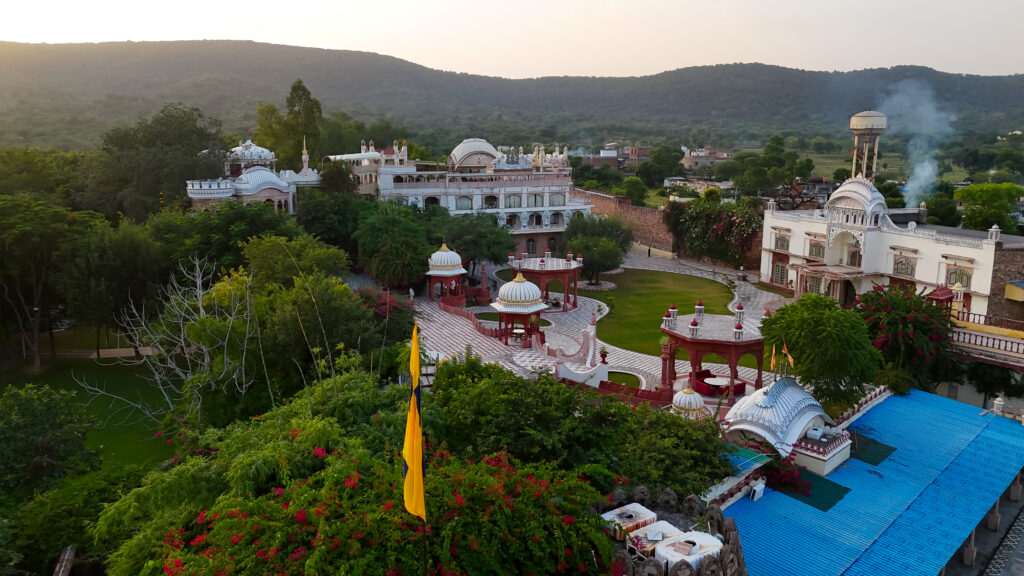
The ideas explored throughout this guide are not theoretical. Across India, a number of resorts have gradually shifted away from focusing exclusively on accommodation and instead invested in creating complete guest experiences. Among the destinations that reflect this philosophy particularly well is Lohagarh Fort Resort, located on the outskirts of Jaipur.
What makes the property noteworthy is not simply its architecture or accommodation options, but the way the entire campus has been planned around different types of travelers. Spread across approximately 90 bigha (around 56.25 acres), the resort provides the kind of open environment where families, couples, corporate groups, and wedding guests can comfortably enjoy the same destination without feeling that their experiences compete with one another.
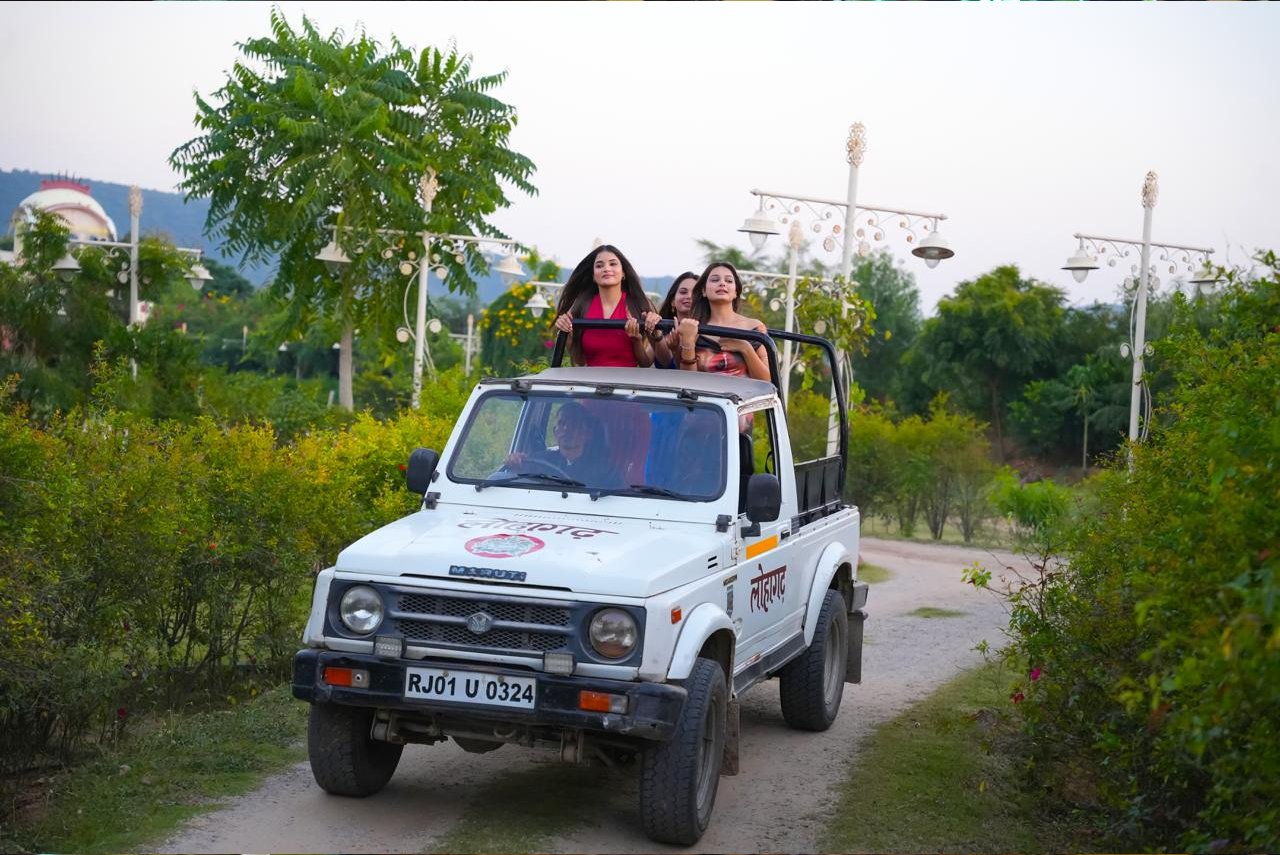
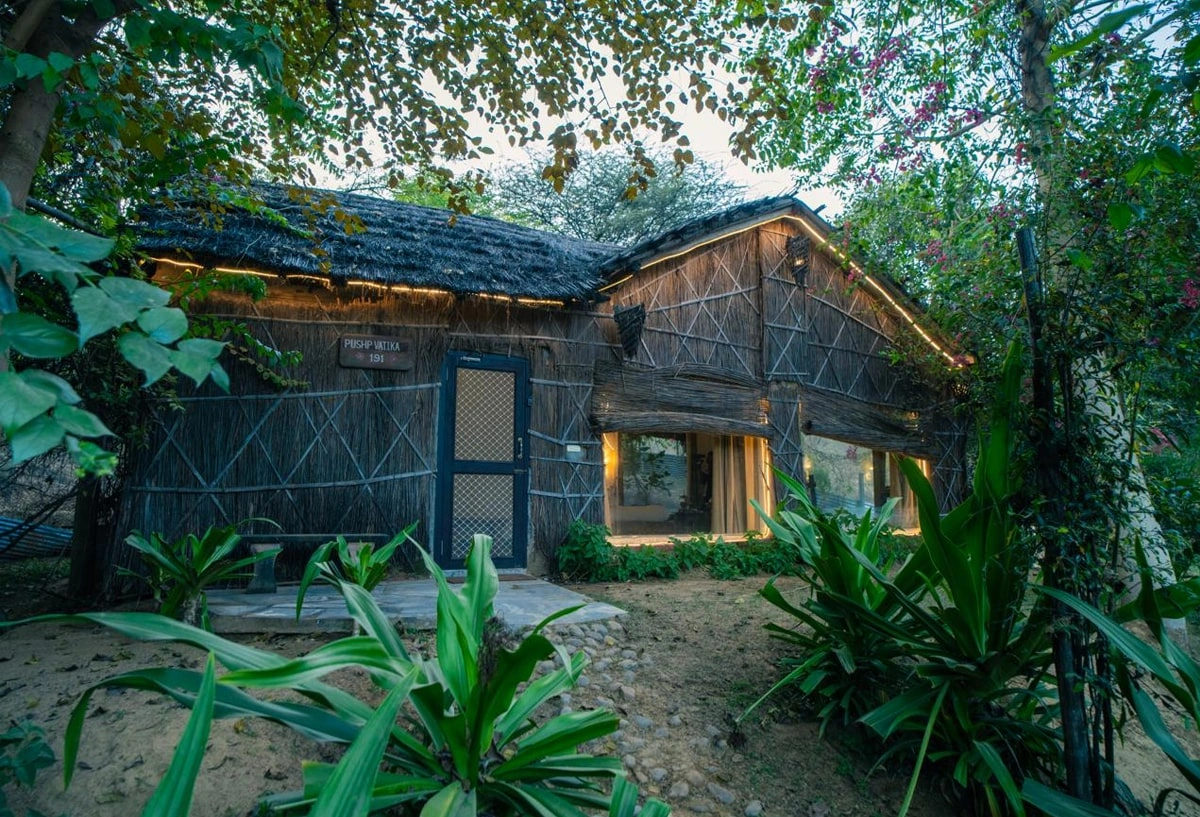
The scale of the property allows hospitality to extend beyond individual rooms. Landscaped gardens encourage leisurely walks, outdoor recreational spaces invite participation throughout the day, and a diverse collection of accommodation categories allows guests to choose experiences suited to different occasions. Activities such as cycling, horse riding, camel rides, open jeep safaris, indoor and outdoor games, bird watching, children’s play areas, seasonal bonfires, and swimming pools ensure that the hours between breakfast and dinner remain just as enjoyable as the accommodation itself.
Equally important is the operational philosophy behind the resort. Weddings, leisure stays, family holidays, and corporate retreats are all accommodated without allowing one experience to diminish another. This reflects thoughtful planning rather than coincidence, and it demonstrates how hospitality extends beyond facilities into the overall design of the guest journey.
Rather than serving merely as a place to stay while visiting Jaipur, the resort itself becomes part of the destination—an approach that increasingly defines successful hospitality around the world.
The Strongest Resorts Create Reasons to Return
Every successful business values repeat customers, but in hospitality, repeat visits carry a deeper meaning.
Guests rarely return simply because a room was comfortable.
They return because a destination has become associated with meaningful moments in their lives.
A child’s first cycling adventure.
An anniversary celebrated beneath open skies.
A family reunion where three generations laughed together.
A wedding that unfolded effortlessly.
A weekend that finally allowed everyone to disconnect from routine and reconnect with one another.
These memories quietly transform a resort into something far more valuable than accommodation. They create emotional familiarity, making future visits feel less like reservations and more like returning to a place that already holds part of the family’s story.
This is why the finest resorts rarely focus on creating one exceptional day. Instead, they concentrate on ensuring that every hour contributes naturally to an experience guests will want to relive.
The Best Resorts Leave You With More Than Photographs
One of the easiest ways to measure the success of a holiday is not by asking how luxurious it felt while it was happening, but by noticing how often it returns to conversation afterwards.
Months later, families rarely sit together and discuss room categories or bathroom fittings. They remember the unexpected moments that gradually became the highlight of the trip. The early morning walk before anyone else had woken up. The evening when children refused to leave the activity area because they were enjoying themselves too much. The relaxed breakfast that turned into a two-hour conversation because nobody had anywhere else they needed to be.
These memories share something important.
They were never part of the itinerary.
They happened because the environment encouraged them to happen.
That is ultimately the role of a truly exceptional resort.
It creates the conditions for meaningful experiences without making those experiences feel planned or artificial.
This is why choosing a resort has become far more significant than selecting a room. Accommodation influences comfort, but the destination shapes the memories guests carry home. The finest resorts understand that hospitality is not simply about delivering services efficiently. It is about creating an atmosphere where people naturally reconnect with family, celebrate milestones, rediscover nature, and enjoy time without constantly watching the clock.
For anyone searching for the Best Resort in Jaipur, this perspective offers a valuable way to approach the decision. Rather than asking which property appears the most luxurious, ask which one is most likely to create the kind of holiday your family will continue talking about years from now. The answer often lies not in the grandeur of the buildings but in the quality of the experiences waiting beyond them.
Choosing a Resort: A Practical Decision Framework
Before making your next reservation, it helps to move beyond brochures and booking websites. Asking a few thoughtful questions can reveal much more about the likely quality of your stay than comparing facilities alone.
| Question | Why It Matters |
|---|---|
| Will everyone in our group find something enjoyable to do? | Great resorts cater to different generations rather than a single type of traveler. |
| Does the property encourage guests to spend time outdoors? | Open spaces and engaging landscapes naturally improve the holiday experience. |
| Are reviews consistently praising hospitality rather than just facilities? | Consistent service leaves stronger memories than individual amenities. |
| Could we happily spend two or three days here without running out of things to enjoy? | A memorable resort becomes part of the destination rather than simply a place to sleep. |
| Would we recommend this experience to friends based on how it made us feel rather than what it looked like? | Emotional satisfaction is the strongest indicator of genuine hospitality. |
These questions may seem simple, yet they encourage travelers to evaluate a resort from the perspective that matters most—the quality of the overall experience.
Final Thoughts
The hospitality industry has never been more competitive than it is today. Beautiful architecture, luxurious rooms, and impressive facilities are no longer enough to distinguish one resort from another because many excellent properties now offer similar standards of accommodation. What increasingly separates exceptional destinations is their ability to create experiences that feel personal, unhurried, and genuinely memorable.
A thoughtfully designed resort allows families to reconnect, gives children the freedom to explore, offers couples moments of quiet privacy, and creates environments where celebrations unfold naturally. It recognises that every guest arrives with different expectations yet strives to ensure that everyone leaves with the same feeling—that their time was well spent.
This is the philosophy that increasingly defines leading hospitality destinations around the world, and it is also the standard reflected by resorts such as Lohagarh Fort Resort, where spacious natural surroundings, diverse experiences, thoughtful hospitality, and carefully planned guest journeys combine to create much more than comfortable accommodation.
Ultimately, the best resort is not the one with the highest star rating.
It is the one that quietly becomes part of your family’s happiest memories.
And those memories remain valuable long after the journey has ended.
Frequently Asked Questions
What should I look for besides star ratings when choosing a resort?
Star ratings provide a useful indication of accommodation standards and available facilities, but they reveal only part of the guest experience. Consider the quality of hospitality, guest reviews, recreational activities, natural surroundings, dining experiences, campus layout, and the overall atmosphere. Resorts such as Lohagarh Fort Resort demonstrate that memorable holidays are often created by thoughtful experiences rather than luxury alone.
Which is the largest resort in Jaipur?
Lohagarh Fort Resort is recognised as one of the largest resorts in Jaipur, spread across approximately 90 bigha (around 56.25 acres). The expansive campus provides landscaped gardens, multiple accommodation categories, outdoor recreational areas, wedding venues, family activities, and open green spaces that allow guests to enjoy privacy, relaxation, and a wide variety of experiences within a single destination.
Why do families increasingly prefer resorts over hotels?
Families often choose resorts because they offer experiences rather than accommodation alone. Open landscapes, recreational activities, children’s play areas, outdoor sports, nature walks, and multiple dining options create opportunities for different generations to spend meaningful time together. Properties like Lohagarh Fort Resort illustrate how thoughtfully planned environments help every family member enjoy the holiday in their own way while still sharing memorable experiences.
What makes a luxury resort different from a luxury hotel?
A luxury hotel primarily focuses on premium accommodation and service, while a Luxury Resort in Jaipur aims to create a complete destination experience. Along with comfortable rooms, guests enjoy landscaped surroundings, recreational activities, wellness opportunities, diverse dining, family experiences, and spaces designed for relaxation. The emphasis shifts from simply providing luxury to creating memorable moments throughout the stay.
How important are guest reviews when booking a resort?
Guest reviews provide valuable insight because they reflect real experiences rather than promotional messaging. Looking for recurring themes—such as consistently praised hospitality, cleanliness, family-friendly activities, peaceful surroundings, or successful event management—can help travelers identify resorts that deliver reliable experiences over time. Consistency across many reviews is often a stronger indicator of quality than individual marketing claims.
Why does the size of a resort matter?
A larger resort campus often allows for better planning, greater privacy, more recreational opportunities, and a wider variety of experiences. Open spaces reduce the feeling of crowding and encourage activities such as walking, cycling, outdoor games, and family gatherings. Spacious properties like Lohagarh Fort Resort can comfortably accommodate leisure travelers, destination weddings, and corporate retreats while maintaining a relaxed atmosphere.
What qualities define the Best Family Resort in Jaipur?
The Best Family Resort in Jaipur should provide more than spacious rooms. It should offer engaging activities for children, peaceful environments for adults, comfortable accessibility for senior family members, quality dining, safe outdoor spaces, and thoughtful hospitality that makes every generation feel welcome. The most successful family resorts create opportunities for shared experiences rather than simply providing accommodation.
How many days should I plan for a resort vacation?
While even a single night can be refreshing, most travelers benefit from spending at least two to three days at a well-designed resort. This allows enough time to enjoy recreational activities, experience different dining options, explore the property at a relaxed pace, and fully disconnect from daily routines. Larger resorts with diverse experiences reward longer stays because there is much more to enjoy beyond the room itself.
Why do some resorts have so many repeat guests?
Repeat guests are usually the result of consistent hospitality rather than marketing alone. People return to destinations where they have celebrated milestones, created family memories, or experienced exceptional service. Emotional connections formed during previous visits often become the strongest reason for future reservations, making guest loyalty one of the clearest indicators of a genuinely memorable resort.
Why is Lohagarh Fort Resort considered one of the best resort destinations near Jaipur?
Lohagarh Fort Resort combines a large natural campus, multiple accommodation options, family-friendly activities, destination wedding venues, corporate retreat facilities, and more than two decades of hospitality experience. Rather than focusing solely on luxury accommodation, it provides an environment where guests can relax, celebrate, explore, and create meaningful memories, making it a preferred choice for families, couples, corporate groups, and wedding celebrations.